Brazil Coffee: History, Regions, Varietals, Processing Methods, and Flavor Profiles
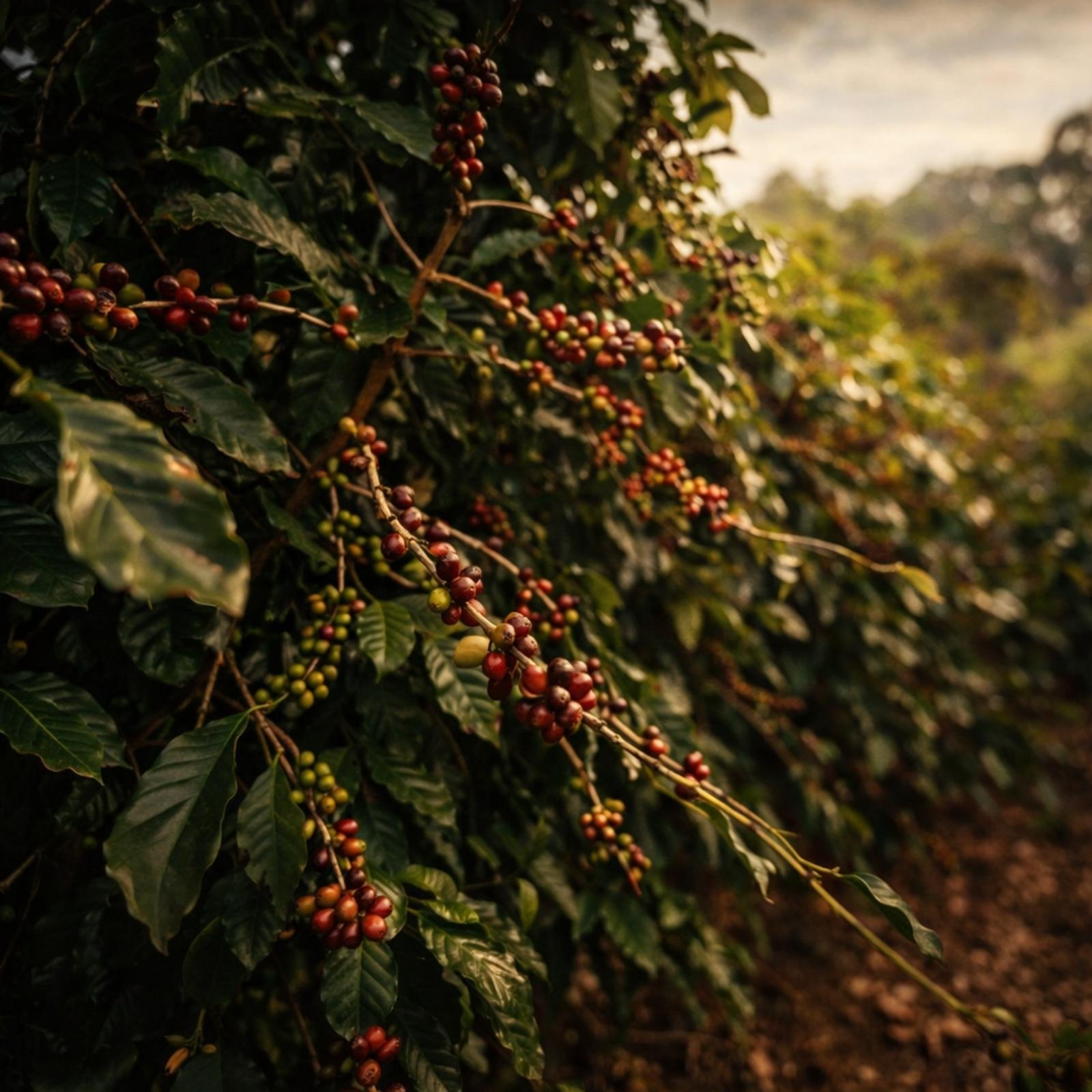
Coffee from Brazil forms the foundation of the global coffee industry and remains unmatched in scale, consistency, and influence. As the world’s largest coffee-producing country, Brazil shapes international supply, pricing, and flavor expectations while also producing an increasingly diverse range of specialty coffees. Its combination of vast geography, mechanized and smallholder farming systems, and processing innovation results in coffees that are widely recognized for sweetness, body, and balance rather than sharp acidity.
History of Coffee in Brazil
Coffee arrived in Brazil in the late 18th century and expanded rapidly through the 19th century as climate, land availability, and export demand aligned. By the early 20th century, Brazil had become the dominant force in global coffee production, a position it has maintained for more than a century.
While early production focused heavily on volume, Brazil gradually developed systems for varietal improvement, mechanization, and processing efficiency. In recent decades, a growing focus on quality, traceability, and regional identity has expanded Brazil’s presence in the specialty coffee sector.
Geography & Coffee-Growing Landscape
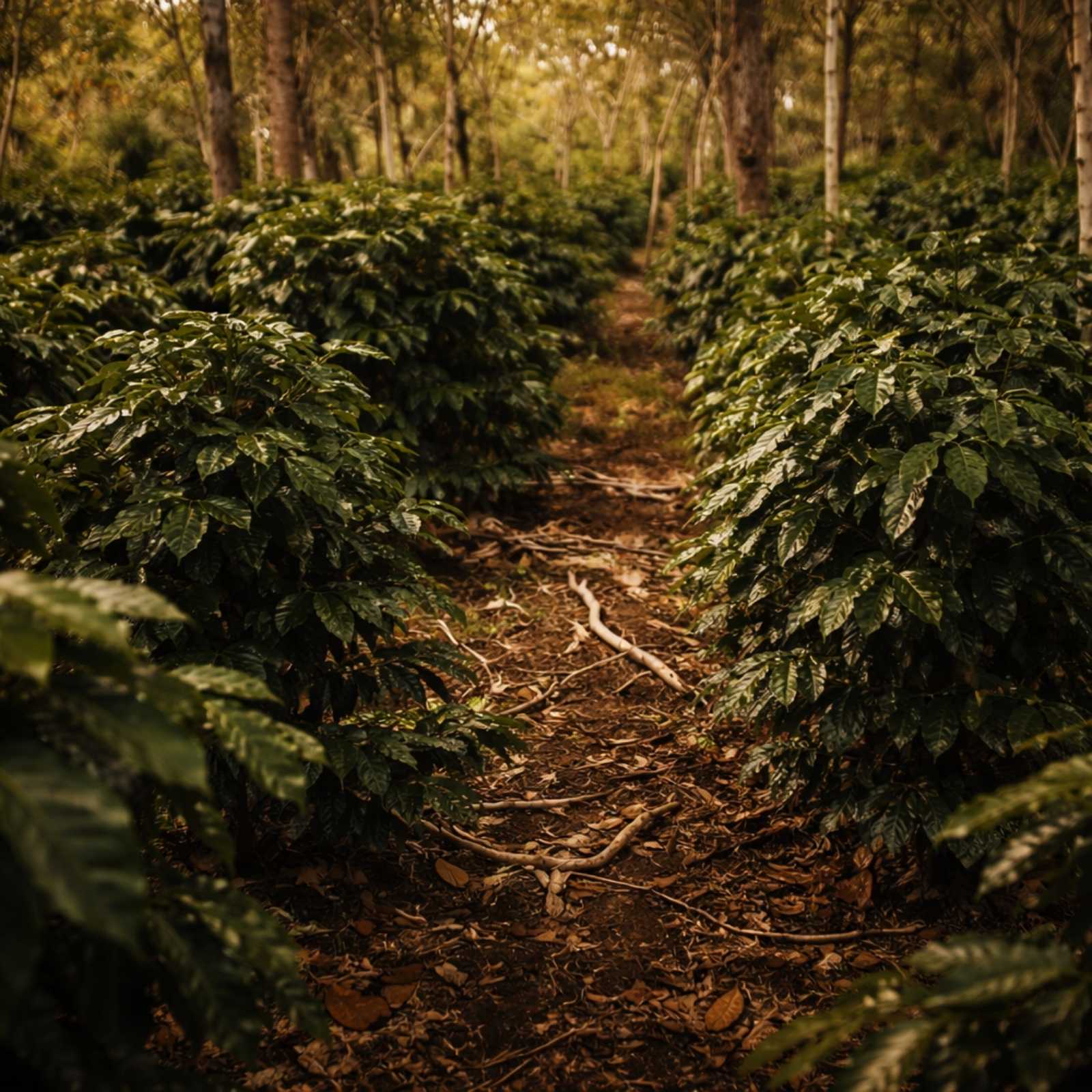
Brazil’s coffee-growing landscape spans an enormous geographic area, ranging from mountainous regions in the southeast to flatter plateaus and savanna-like terrain further inland. Coffee is grown across multiple climate zones, with pronounced dry seasons that strongly influence harvesting and processing practices.
Arabica production is concentrated in higher-elevation regions of southeastern Brazil, while Coffea canephora (commonly referred to as Conilon or Robusta) is cultivated in warmer, lower-altitude areas. Long dry periods during harvest have made Brazil a global leader in sun-drying and low-water processing methods.
Major Coffee-Growing Regions
Brazil’s producing regions vary widely in climate, elevation, and cup expression.
Minas Gerais
Brazil’s largest coffee-producing state, encompassing sub-regions such as Cerrado Mineiro, Matas de Minas, and Chapada de Minas. Coffees range from classic nutty and chocolate-driven profiles to higher-clarity specialty lots depending on region and processing.
São Paulo
Home to the Alta Mogiana region, where rolling terrain and fertile soils produce structured coffees with moderate sweetness, cocoa notes, and gentle acidity.
Espírito Santo
The primary center of Conilon (Robusta) production in Brazil, producing coffees with heavier body, lower acidity, and bolder flavor characteristics.
Bahia
A rapidly developing coffee region where irrigation and modern farming systems support both Arabica and Robusta cultivation in previously marginal areas.
Paraná and Rondônia
Smaller but important regions contributing to Brazil’s overall diversity, with both Arabica and Robusta production depending on location and climate.
Elevation & Growing Conditions
Brazilian Arabica coffee is typically grown between approximately 800 and 1,500 meters above sea level, lower than many high-altitude origins but well suited to Brazil’s climate. Robusta production generally occurs at lower elevations in warmer, more humid environments.
Seasonal rainfall patterns and extended dry periods during harvest allow for consistent maturation and controlled drying, contributing to Brazil’s characteristic sweetness and round body.
Coffee Varietals Grown in Brazil
Brazil cultivates one of the most extensive varietal portfolios in the coffee world, encompassing traditional cultivars, modern hybrids, and region-specific selections.
Traditional & Historically Established Varietals
Typica and Bourbon laid the foundation of Brazilian coffee cultivation, with Bourbon in particular remaining important for quality-focused production.
Widely Planted Brazilian Varietals & Hybrids
Mundo Novo, Catuaí, Icatu, Catucaí, Obatã, Acaiá, Arara, Rubi, and Topázio are widely grown for their adaptability, yield, and resilience under Brazilian conditions. These varietals form the backbone of modern Brazilian Arabica production.
Robusta / Canephora Varietals
Conilon (Robusta) dominates canephora production, particularly in Espírito Santo and northern regions, contributing to Brazil’s role as a major global Robusta supplier.
Processing Methods Used
Brazil is globally influential in coffee processing, with methods shaped by climate, scale, and water availability.
Natural / Dry Process
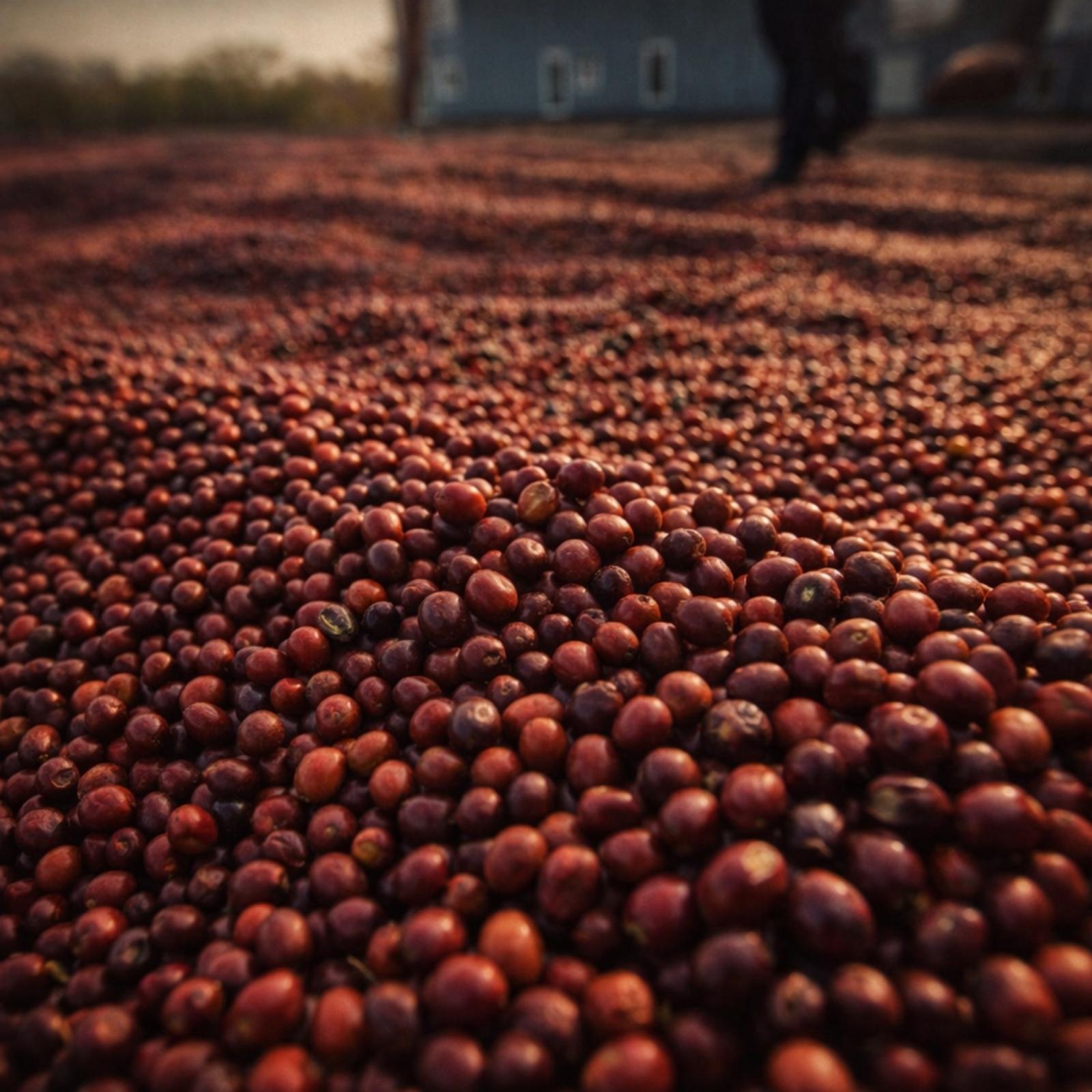
The most traditional and widespread method in Brazil, where whole cherries are dried intact. This produces coffees with pronounced sweetness, heavier body, and low perceived acidity.
Pulped Natural / Semi-Washed (Cereja Descascada)
A hallmark Brazilian method in which the skin is removed before drying, retaining some mucilage. Coffees processed this way balance sweetness and body with increased clarity.
Washed / Fully Washed
Used less frequently due to water requirements, but present in select quality-focused lots where brighter, cleaner profiles are desired.
Honey-Style Variations
Processing methods that retain varying amounts of mucilage during drying, overlapping with pulped natural techniques and contributing additional sweetness and texture.
Mechanical and Patio Drying Systems
Extensive use of patios, raised beds, and mechanical dryers allows precise control during drying, especially at scale.
Flavor Profiles & Cup Characteristics
Brazilian coffees are best known for smooth body, moderate sweetness, and low to medium acidity. Common flavor notes include chocolate, cocoa, nuts, caramel, and mild dried fruit. Specialty examples may show increased clarity, subtle fruit tones, or floral nuance depending on region, varietal, and processing.
Robusta coffees from Brazil typically display heavier body, earthier flavors, and higher caffeine content.
Harvest Seasons & Coffee Availability
Brazil follows a largely single annual harvest cycle. Arabica is generally harvested from May through September, while Robusta harvesting often begins earlier and extends into late summer. Due to Brazil’s size and regional variation, fresh coffee is available across an extended portion of the year.
Quality Standards & Classification Systems
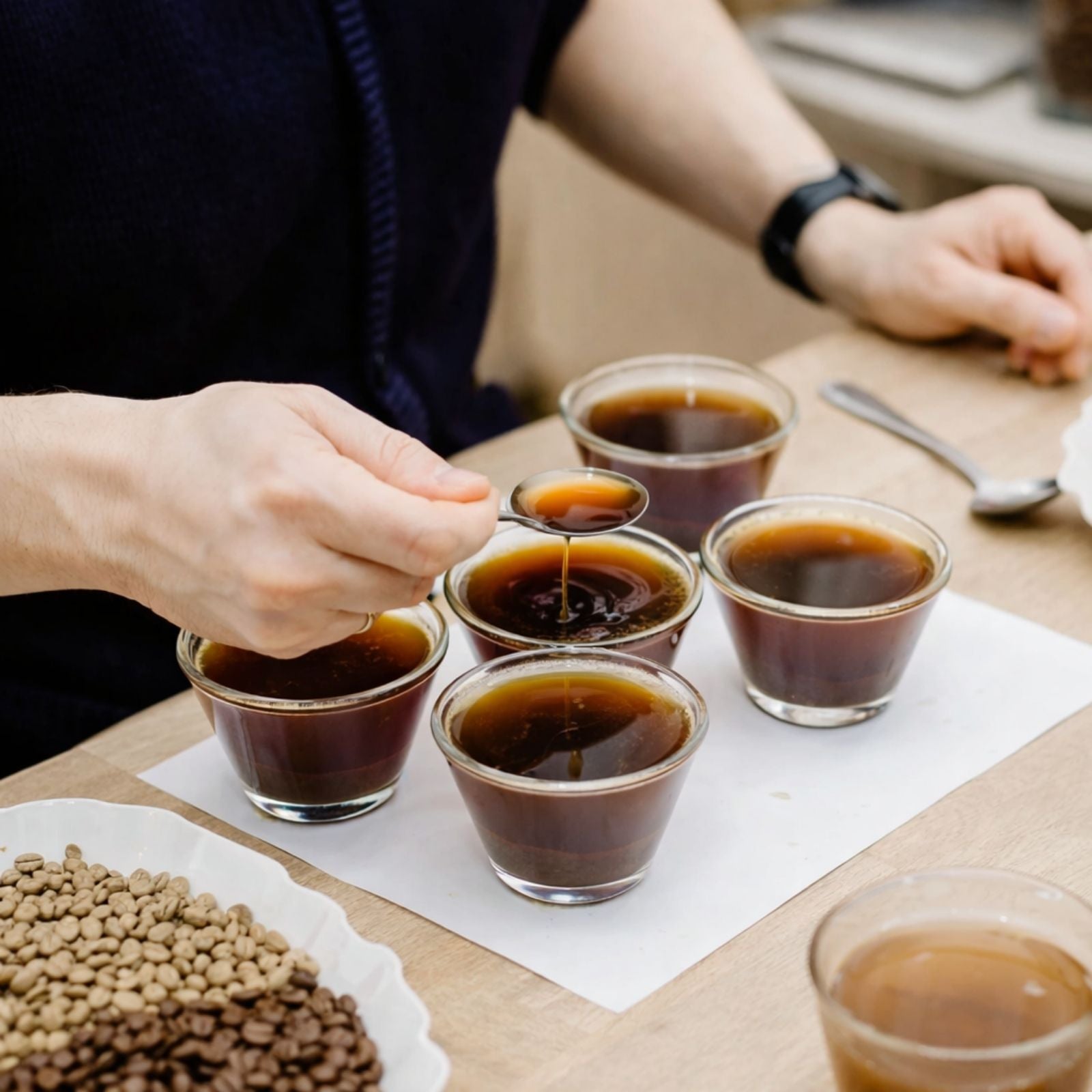
Brazilian coffee is graded using physical attributes such as defect count, bean size, and density, alongside sensory evaluation for specialty lots. Quality differentiation increasingly emphasizes regional identity, processing precision, and consistency.
Sustainability, Farming Structure & Challenges
Brazilian coffee production spans small family farms to large mechanized estates. Mechanization improves efficiency but also presents challenges related to soil health, water use, and climate variability. Frost, drought, and changing rainfall patterns remain ongoing risks. Producers continue to adopt irrigation, varietal selection, and soil management strategies to improve resilience.
Why Brazilian Coffee Stands Out
Brazil’s influence stems from its unmatched production scale, broad varietal base, and mastery of low-water processing methods. Few origins can simultaneously supply global demand while offering increasingly refined specialty expressions.
Conclusion
Brazilian coffee represents both the backbone of the global coffee market and a growing source of specialty diversity. Through its combination of geography, varietal innovation, and processing expertise, Brazil continues to define what consistency, sweetness, and balance look like in coffee—while steadily expanding its role in high-quality, origin-distinct production.
To explore how altitude, smallholder farming, and washed processing shape a contrasting South American origin, continue to Colombian coffee.