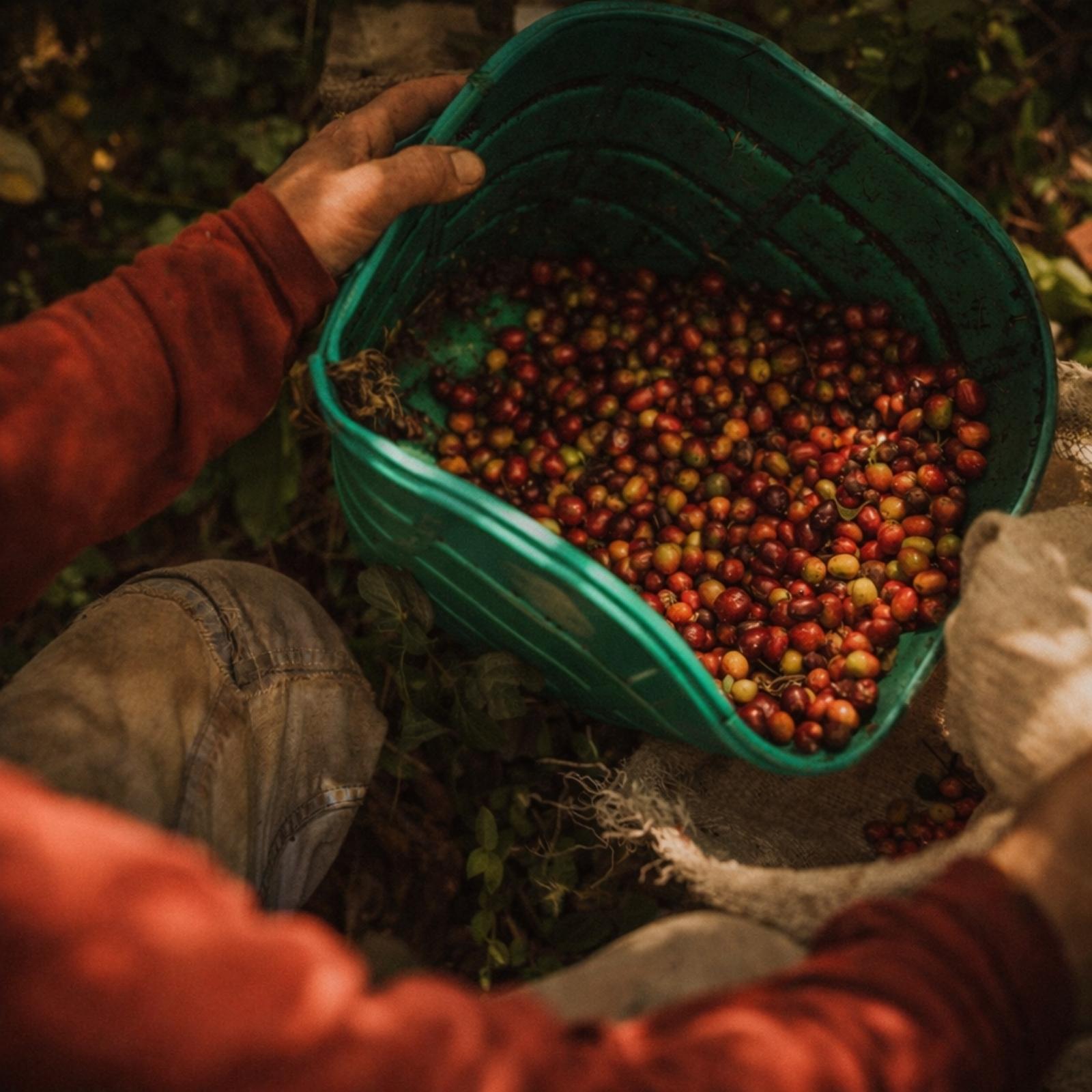
Colombia Coffee: History, Regions, Varietals, Processing Methods, and Flavor Profiles
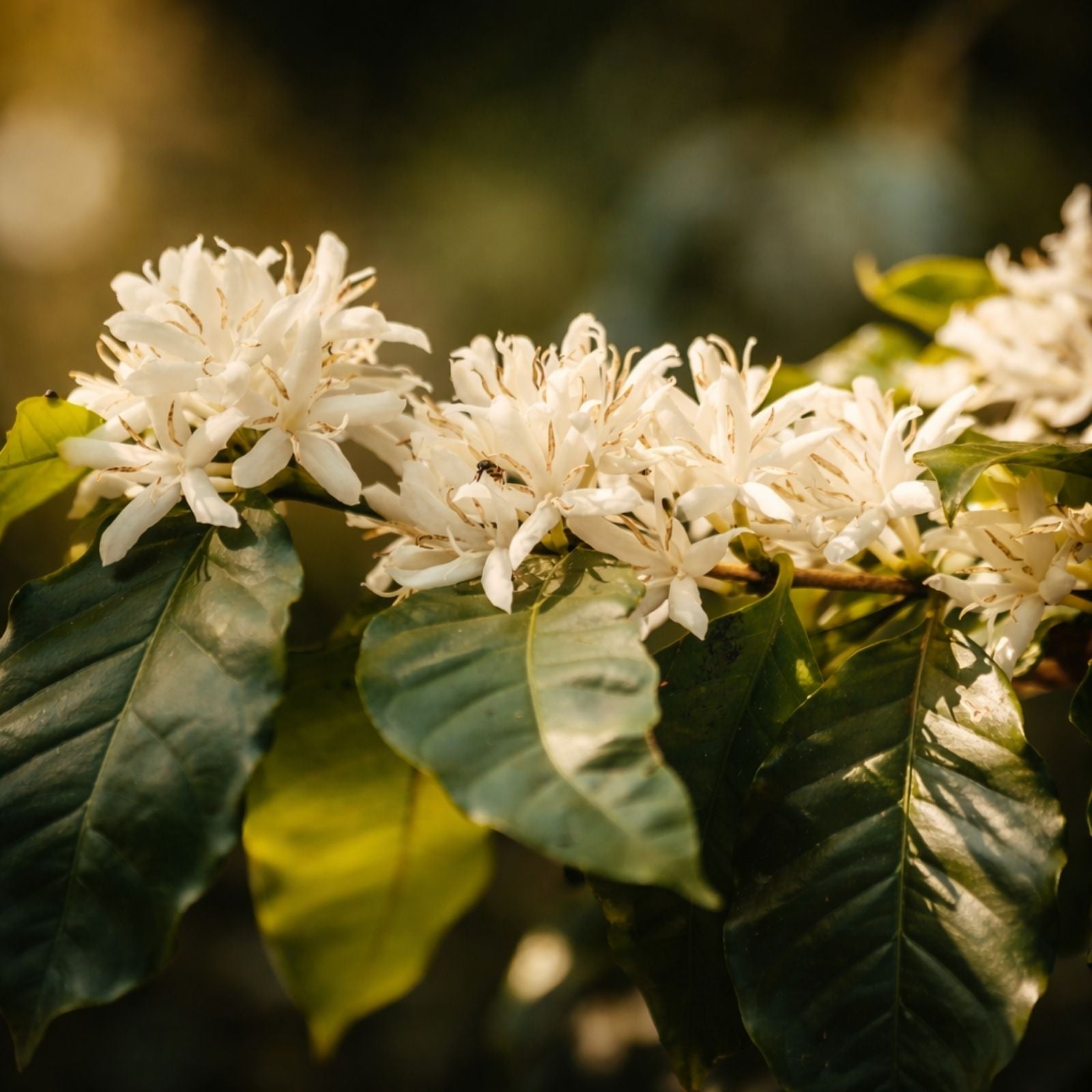
Coffee from Colombia is one of the most extensively studied and diverse expressions of coffee in the world. Colombia’s equatorial latitude, dramatic elevation changes, and smallholder-driven production system create an origin capable of producing an extraordinary range of cup profiles. Rather than being defined by a single flavor identity, Colombian coffee reflects a spectrum shaped by region, altitude, varietal selection, and increasingly sophisticated processing methods.
History of Coffee in Colombia
Coffee was introduced to Colombia in the early 18th century, commonly attributed to Jesuit missionaries. Adoption was gradual until the mid-19th century, when coffee became firmly established in the Andean highlands where altitude, rainfall, and temperature proved ideal.
By the early 20th century, Colombia emerged as one of the world’s most important coffee exporters. The formation of the National Federation of Coffee Growers in 1927 provided organization, infrastructure, research, and international promotion. Over time, Colombia evolved from a volume-driven exporter into a specialty-focused origin emphasizing quality, regional identity, varietal diversity, and advanced post-harvest practices.
Geography & Coffee-Growing Landscape
Colombia’s proximity to the equator provides consistent daylight throughout the year, while the Andes Mountains split into three major cordilleras, creating steep terrain and thousands of distinct microclimates.
Coffee is grown on mountainous slopes with elevations varying dramatically over short distances. Moderate temperatures regulated by altitude, frequent rainfall, and soils ranging from volcanic ash to mineral-rich sedimentary compositions slow cherry maturation, promoting sugar development, structured acidity, and aromatic complexity.
Major Coffee-Growing Regions
Colombia’s coffee-producing regions are defined by elevation, climate, and soil composition, each producing distinct cup characteristics.
Huila
Southern Colombia’s most internationally recognized specialty region, known for high elevations, strong solar exposure, pronounced sweetness, and vibrant acidity. Coffees often express citrus, stone fruit, panela, and floral notes.
Antioquia
Historically significant and widely planted, Antioquia produces balanced, approachable coffees with medium body and classic profiles featuring chocolate, nut, and caramel.
Nariño
Located near the Ecuadorian border at very high elevations, Nariño coffees mature slowly, resulting in bright acidity, floral aromatics, and crisp citrus or red fruit expression.
Cauca
Defined by volcanic soils and altitude, Cauca produces clean, structured coffees with refined sweetness, sugarcane character, and layered fruit acidity.
Tolima
Often underrepresented internationally, Tolima produces well-structured coffees with balanced acidity and sweetness, commonly showing cocoa, caramel, and subtle fruit.
Sierra Nevada de Santa Marta
An isolated coastal mountain range producing coffees with fuller body, softer acidity, and warm chocolate, nut, and spice notes.
Elevation & Growing Conditions
Most Colombian coffee is cultivated between approximately 1,200 and 2,300 meters above sea level, with some farms extending beyond this range. Elevation directly affects bean density, rate of maturation, acidity development, and flavor articulation.
Higher elevations generally yield denser beans with brighter acidity and greater aromatic complexity, while lower elevations tend to produce rounder body and softer acidity.
Coffee Varietals Grown in Colombia
Colombia cultivates one of the broadest and most diverse sets of coffee varietals in the world, spanning historic cultivars, modern hybrids, heritage types, and experimental introductions.
Traditional & Historically Established Varietals
Typica, Bourbon, Caturra, and Maragogipe form the historical foundation of Colombian coffee. These varietals are valued for sweetness, balance, and clarity, though they typically produce lower yields and are more susceptible to disease.
Modern & Hybrid Varietals
Castillo, Colombia, Tabi, Catimor, and Sarchimor were developed through breeding programs to improve resistance to coffee leaf rust and environmental stress while maintaining acceptable cup quality. These varietals now represent a significant portion of national production.
Heritage, Exotic & Specialty Varietals
Pink Bourbon, Chiroso, Gesha (Geisha), Wush Wush, SL28, Pacamara, Pacas, and Mundo Novo are grown in limited or specialty contexts. These varietals are prized for distinctive aromatics, expressive acidity, complex sweetness, and exceptional sensory profiles often associated with high-scoring micro-lots.
Processing Methods Used
Colombia employs one of the most extensive and evolving ranges of coffee processing methods in the world.
Washed / Fully Washed
The traditional method, emphasizing clarity, structure, and transparent expression of origin and varietal.
Natural / Dry Process
Whole cherries are dried intact, producing fruit-forward coffees with heavier body and intensified sweetness.
Honey Processing
Includes yellow, red, and black honey styles, retaining varying amounts of mucilage to enhance sweetness and mouthfeel.
Anaerobic Fermentation
Fermentation conducted in oxygen-limited environments to intensify aromatics and complexity.
Extended Fermentation
Longer fermentation durations designed to modify acidity, sweetness, and texture.
Controlled & Inoculated Fermentation
Fermentations managed through temperature control, yeast selection, or lactic cultures to shape flavor outcomes.
Carbonic Maceration
Sealed fermentation inspired by winemaking, producing highly aromatic and distinctive profiles.
Co-Fermentation
Fermentation conducted with added fruits or botanicals, increasingly used by experimental Colombian producers.
Extended Cherry Soak & Pre-Fermentation Techniques
Cherries are soaked prior to fermentation to influence sugar extraction and flavor development.
Pressurized / “Nitro”-Style Experimental Processes
Rare, experimental methods involving pressurized or nitrogen-adjacent environments, typically limited to small specialty lots.
Flavor Profiles & Cup Characteristics
Colombian coffees are widely recognized for balance, cleanliness, and versatility. Common attributes include bright to moderate acidity, refined sweetness reminiscent of panela or caramel, medium body, and a smooth, lingering finish.
Flavor expressions range from citrus, stone fruit, red apple, and florals to chocolate, sugarcane, and spice, depending on region, elevation, varietal, and processing method.
Harvest Seasons & Coffee Availability
Colombia’s equatorial climate allows for multiple harvest cycles. Many regions experience a primary harvest from September through December and a secondary “fly crop” from April through June, enabling consistent access to fresh coffees throughout much of the year.
Quality Standards & Classification Systems
Coffee quality in Colombia is evaluated through physical grading metrics such as screen size, density, and defect count, combined with sensory evaluation. Specialty coffees score 80 points and above, while top micro-lots frequently reach the high-80s and beyond.
Sustainability, Farming Structure & Challenges
Colombian coffee is predominantly produced by smallholder farmers operating small plots of land. This structure supports diversity and traceability but presents challenges including price volatility, climate pressure, labor availability, and infrastructure limitations. Cooperative systems, agronomic education, and quality-based premiums remain central to long-term sustainability.
Why Colombian Coffee Stands Out
Colombia’s strength lies in its unparalleled combination of geographic diversity, varietal breadth, processing sophistication, and institutional support for quality. Few origins offer such range while maintaining consistent global recognition across both classic and experimental coffees.
Conclusion
Colombian coffee represents the convergence of geography, tradition, and continual innovation. From classic washed profiles to highly experimental fermentations using rare varietals, Colombia expresses coffee as a spectrum rather than a singular identity. This depth, adaptability, and completeness secure its place as one of the most important and influential coffee origins in the world.
For a look at how Central America’s largest producer has evolved into a specialty-focused origin, continue to Honduran coffee.