India Coffee: History, Regions, Varietals, Processing Methods, and Flavor Profiles
Coffee from India is defined by shaded estate cultivation, monsoon-influenced climate, and a rare combination of Arabica and Robusta grown at scale with careful processing. India occupies a distinctive place in the coffee world, producing clean washed coffees, fruit-forward naturals, honey-processed lots, and the globally unique monsooned coffees that reshape flavor through exposure to seasonal winds. Indian coffees are typically known for balance, body, spice, and composure rather than sharp acidity.
History of Coffee in India
Coffee cultivation in India dates back to the 17th century, traditionally attributed to the introduction of coffee seeds to the southern hills. Organized production expanded during the colonial period through estate-based systems in the Western Ghats, establishing India as one of Asia’s earliest coffee producers.
Over time, India developed a regulated coffee sector emphasizing quality control, estate management, and export consistency. While much production historically entered commercial channels, continued investment in processing innovation, varietal selection, and micro-lot separation has strengthened India’s specialty coffee presence.
Geography & Coffee-Growing Landscape
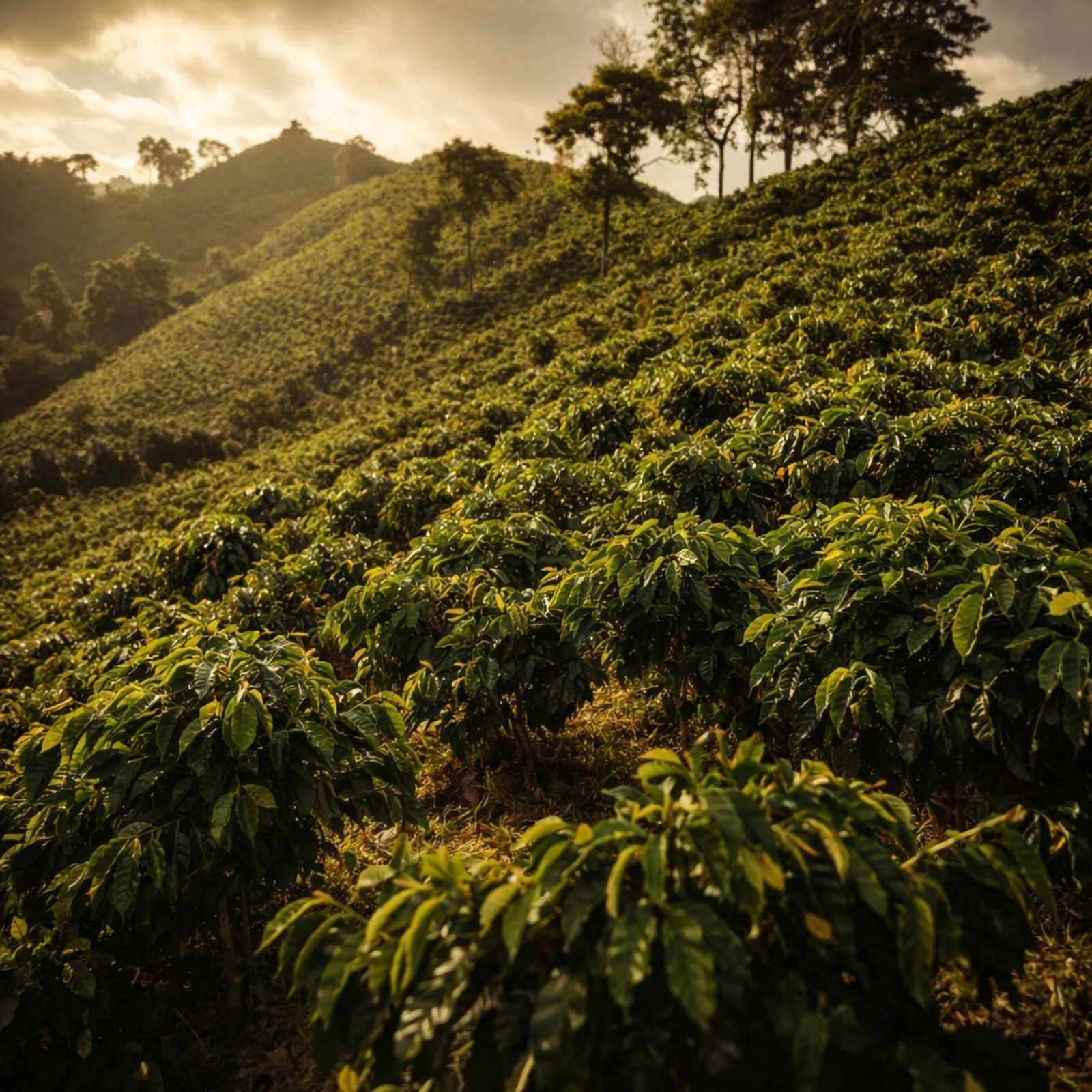
India’s coffee-growing regions are concentrated along the Western and Eastern Ghats, where mountainous terrain, dense forest canopy, and abundant rainfall dominate. Coffee is typically grown under shade trees, often intercropped with spices such as pepper and cardamom.
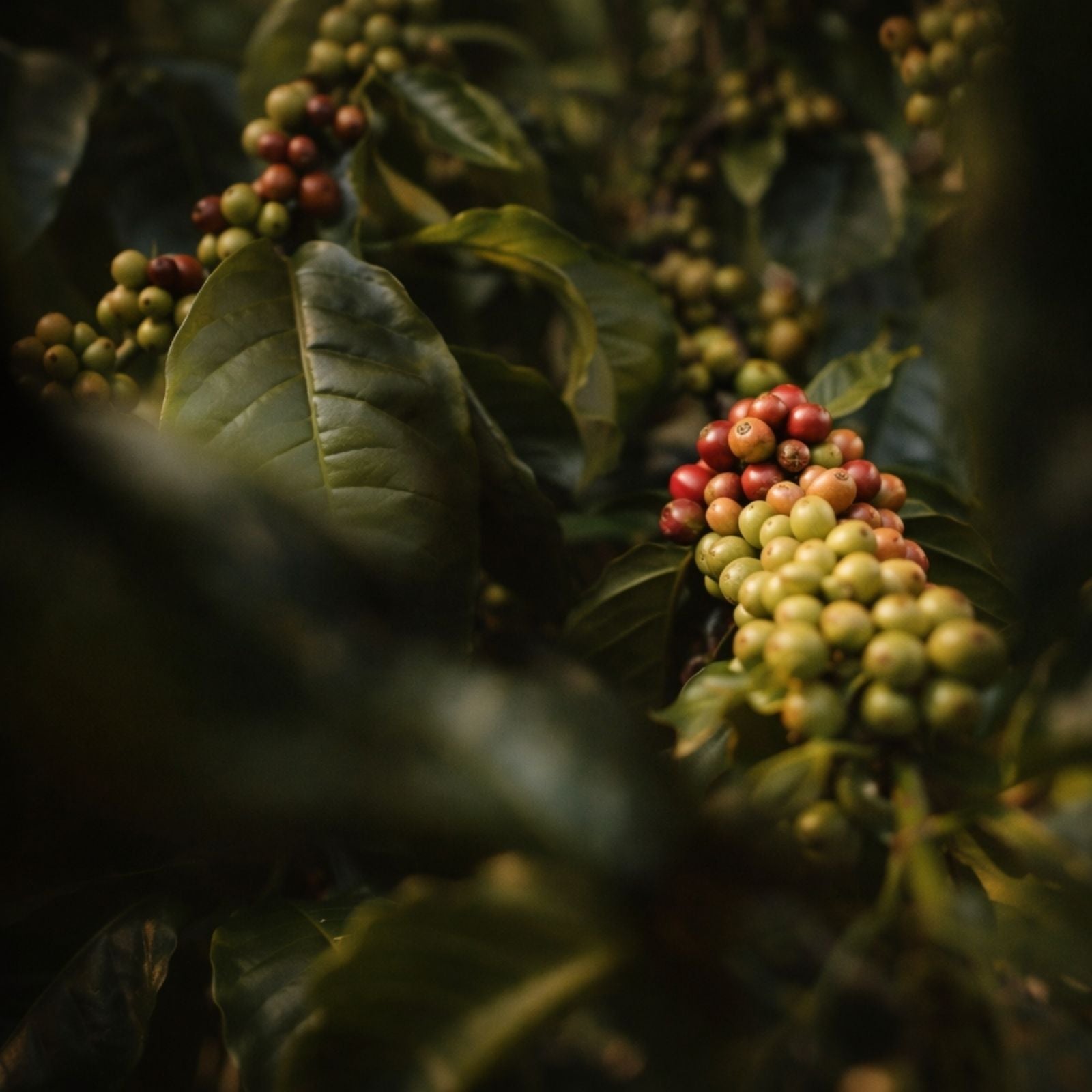
Cooler highland temperatures, monsoon rainfall patterns, and fertile soils support slow cherry maturation and steady sugar development. Shaded cultivation contributes to softer acidity, enhanced body, and layered sweetness.
Major Coffee-Growing Regions
India’s coffee identity is shaped by several primary producing regions.
Karnataka
India’s largest coffee-producing state, Karnataka includes well-known areas such as Chikmagalur, Baba Budangiri, and Coorg. Coffees from this region are known for balance, medium acidity, chocolate sweetness, and spice notes.
Kerala
A major Robusta-producing region with some Arabica at elevation, Kerala coffees tend to be full-bodied with low acidity and bold structure, particularly well suited to darker roasts and blends.
Tamil Nadu
Home to high-elevation Arabica production in regions such as the Nilgiris, Tamil Nadu produces cleaner, brighter coffees with refined sweetness and balanced acidity.
Andhra Pradesh (Araku Valley)
A developing specialty region in the Eastern Ghats, Araku coffees are increasingly recognized for clean profiles, floral aromatics, and cooperative-driven quality improvement.
Elevation & Growing Conditions
Indian Arabica is typically grown between approximately 900 and 1,600 meters above sea level, while Robusta is cultivated at lower elevations with warmer temperatures and higher humidity.
Elevation influences acidity and aromatic clarity, while shaded conditions and monsoon rainfall emphasize body and sweetness over sharp brightness.
Coffee Varietals Grown in India
India cultivates a diverse range of Arabica and Robusta varietals, including locally developed selections.
Arabica Varietals
Kent, S795, S9, Cauvery (Catimor-derived), SL9, SL28 (limited), Bourbon, Typica-derived cultivars, and other regional selections form the foundation of Indian Arabica production.
Robusta / Canephora Varietals
C × R hybrids, S274, S234, and other improved Robusta selections are widely grown, contributing body, crema, and bold structure.
Improved & Hybrid Varietals
Numerous research-driven hybrids developed for disease resistance, yield, and cup quality are planted across estates, supporting long-term sustainability.
Processing Methods Used
India employs one of the widest processing method ranges in Asia.
Washed / Fully Washed
Widely used for both Arabica and Robusta, emphasizing cleanliness, balance, and clarity.
Natural / Dry Process
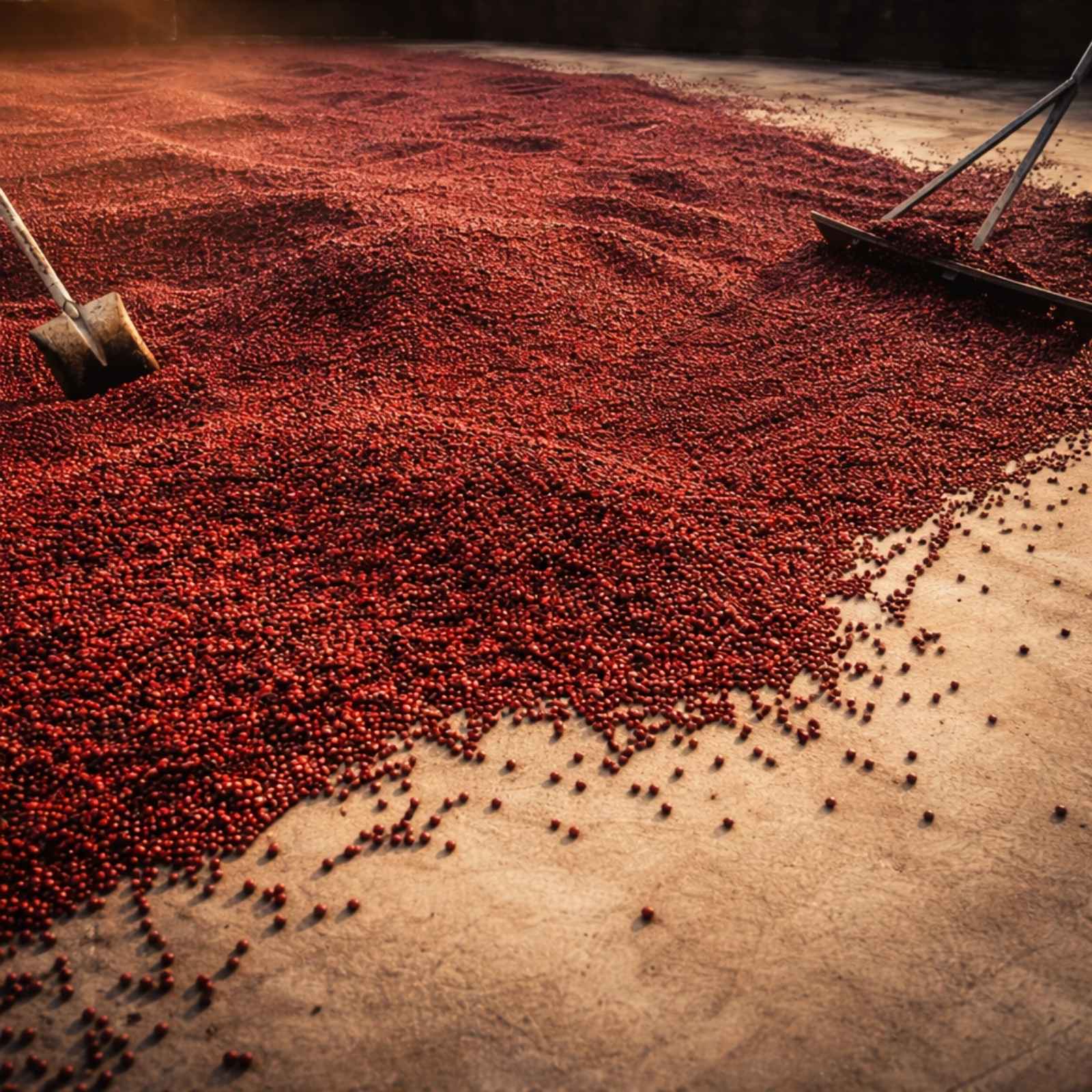
Used selectively, producing fruit-forward coffees with heavier body and enhanced sweetness.
Honey Processing
Including yellow, red, and black honey styles, retaining varying amounts of mucilage to enhance sweetness and texture.
Monsooned Processing
A uniquely Indian method where dried green coffee is exposed to monsoon winds and humidity, reducing acidity and increasing body, producing soft, earthy, spicy profiles most famously associated with Monsooned Malabar.
Anaerobic Fermentation
Increasingly used by specialty estates to intensify aromatics and complexity.
Extended & Controlled Fermentation
Lengthened or temperature-managed fermentations designed to refine sweetness, body, and acidity.
Carbonic Maceration & Sealed Fermentation Techniques
Experimental sealed fermentations adapted from winemaking, producing distinctive sensory profiles in limited lots.
Flavor Profiles & Cup Characteristics
Indian coffees are generally known for balance, body, and composure. Common characteristics include low to moderate acidity, medium to full body, and smooth, rounded mouthfeel.
Flavor notes often include chocolate, cocoa, spice, nut, caramel, dried fruit, and subtle earth, with washed coffees emphasizing cleanliness and monsooned coffees delivering softened acidity and savory depth.
Harvest Seasons & Coffee Availability
India typically follows a single primary harvest season from November through February, with timing varying by region and elevation. Monsooned coffees are processed and released later in the year following seasonal exposure.
Quality Standards & Classification Systems
Coffee quality in India is evaluated through physical grading and sensory assessment, with estate separation, varietal identification, and processing method playing key roles in quality differentiation. Specialty coffees increasingly achieve higher scores as micro-lot production expands.
Sustainability, Farming Structure & Challenges
Indian coffee production is largely estate-based, supported by skilled labor and long-established infrastructure. Challenges include climate variability, labor availability, and disease pressure. Shade-grown systems, research-backed varietal development, and specialty premiums contribute to long-term sustainability.
Why Indian Coffee Stands Out
India stands out for its shaded cultivation, spice-influenced terroir, and uniquely Indian processing methods such as monsooning. Few origins offer such diversity across Arabica and Robusta while maintaining consistent structure and balance.
Conclusion
Indian coffee reflects the integration of tradition, innovation, and environmental adaptation. From clean washed highland Arabicas to bold Robustas and distinctive monsooned coffees, India continues to offer one of the most diverse and historically significant coffee portfolios in the Asia–Pacific region.
For an origin central to global coffee supply and defined by both Arabica and Robusta production, continue to Vietnamese coffee.