Vietnam Coffee: History, Regions, Varietals, Processing Methods, and Flavor Profiles
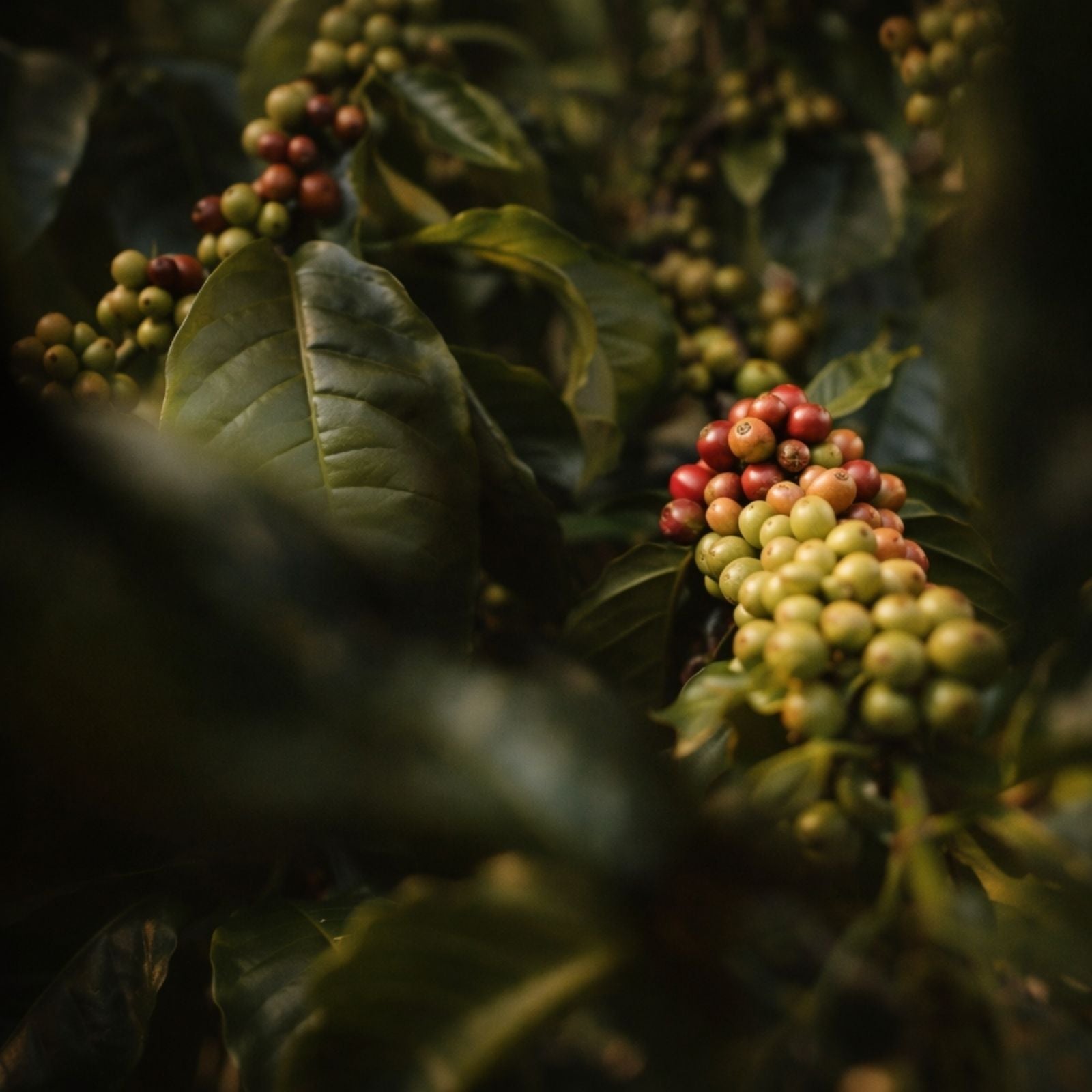
Coffee from Vietnam is defined by large-scale production, favorable tropical highlands, and a dual identity centered on Robusta dominance alongside a growing Arabica specialty sector. Vietnam is the world’s largest producer of Robusta coffee and a critical origin in global supply, while also developing refined Arabica coffees from high-elevation regions. Vietnamese coffees span a wide sensory range—from bold, high-caffeine Robustas to clean, structured Arabicas shaped by elevation and modern processing.
History of Coffee in Vietnam
Coffee was introduced to Vietnam in the mid-19th century during the colonial period. Early cultivation focused on Arabica, but disease pressure and climate suitability eventually led to widespread Robusta planting, particularly in the Central Highlands.
Following economic reforms in the late 20th century, coffee production expanded rapidly through smallholder farming and state-supported infrastructure. Vietnam emerged as a global coffee powerhouse, supplying a significant share of the world’s Robusta. In recent years, investment in processing, varietal selection, and quality control has driven growth in specialty Arabica and improved Robusta quality.
Geography & Coffee-Growing Landscape
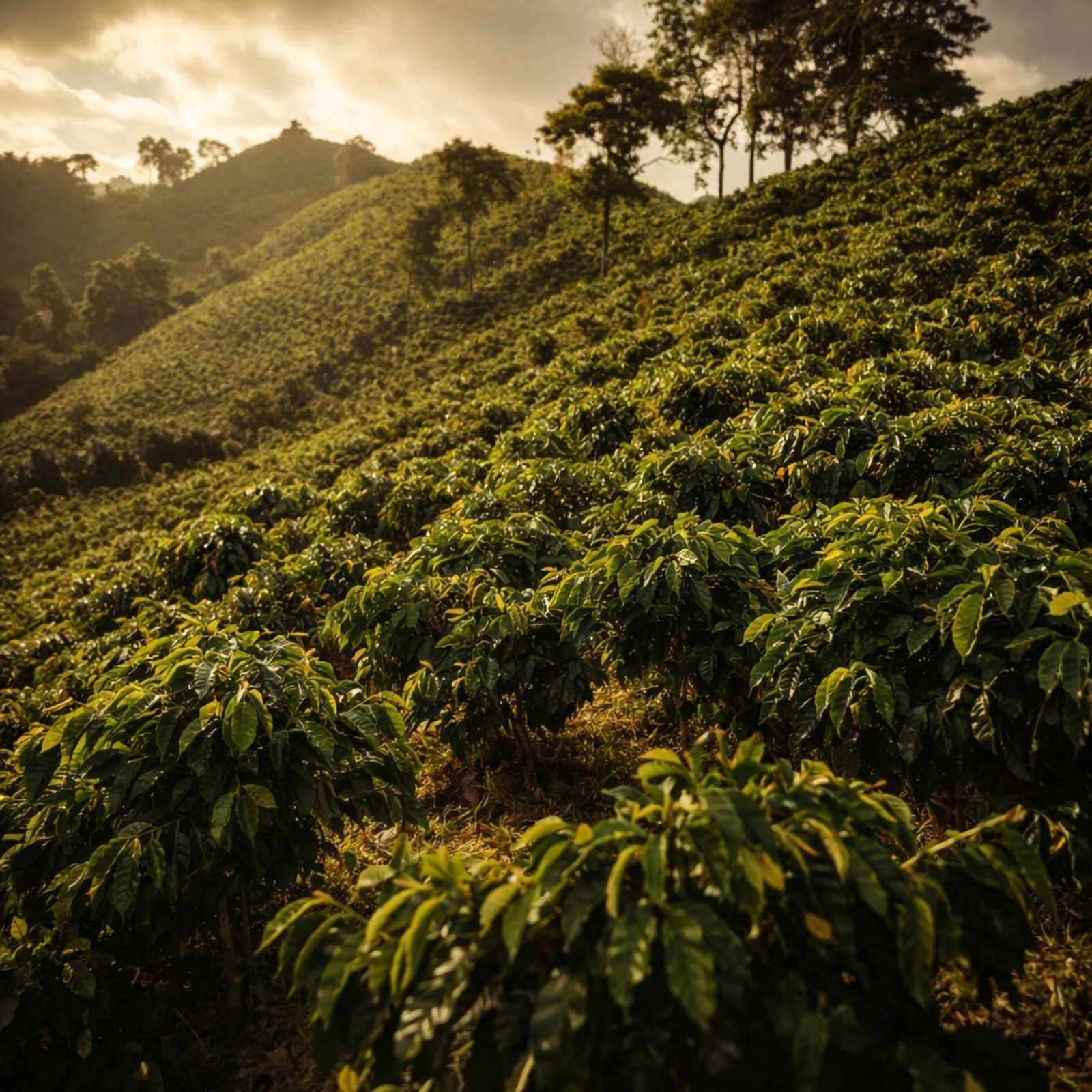
Vietnam’s coffee-growing landscape is concentrated in the Central Highlands, characterized by fertile basaltic soils, rolling plateaus, and consistent rainfall. Coffee is grown primarily at mid elevations, with select highland zones supporting Arabica production.
Warm temperatures, pronounced wet and dry seasons, and rich volcanic soils contribute to strong yields and distinctive flavor development. Farming is predominantly smallholder-based, with increasing adoption of improved post-harvest practices.
Major Coffee-Growing Regions
Vietnam’s coffee identity is shaped by several key regions, primarily within the Central Highlands.
Đắk Lắk
Vietnam’s most important coffee-producing province and the heart of Robusta production. Coffees from Đắk Lắk are bold, full-bodied, and high in caffeine.
Gia Lai
A major Robusta-growing area producing structured coffees with cocoa, nut, and spice characteristics.
Đắk Nông
Known for fertile soils and improving quality, producing balanced Robustas with increasing specialty potential.
Kon Tum
A smaller producing region with cooler temperatures, supporting cleaner profiles and emerging specialty initiatives.
Lâm Đồng (Đà Lạt)
Vietnam’s primary Arabica region, where higher elevations support cleaner, brighter coffees with improved acidity and structure.
Elevation & Growing Conditions
Vietnamese coffee is typically grown between approximately 500 and 1,500 meters above sea level. Robusta thrives at lower elevations, while Arabica is cultivated in higher, cooler areas such as Đà Lạt.
Elevation influences acidity, bean density, and aromatic clarity, with Arabica regions producing more refined profiles and Robusta regions emphasizing body and intensity.
Coffee Varietals Grown in Vietnam
Vietnam cultivates a focused but important range of coffee species and varietals.
Robusta / Canephora Varietals
Robusta dominates Vietnamese production, including locally selected and improved lines such as TR4, TR9, and other high-yield, disease-resistant selections valued for body, strength, and consistency.
Arabica Varietals
Catimor is the most widely planted Arabica variety, particularly in Đà Lạt. Typica and Bourbon appear in limited plantings and specialty-focused farms.
Other Species & Limited Varietals
Liberica (Excelsa) exists in small quantities and contributes niche, distinctive profiles, though it is not central to Vietnam’s export identity.
Processing Methods Used
Vietnam employs a wide range of processing methods, increasingly diversified in specialty contexts.
Washed / Fully Washed
Used primarily for Arabica and higher-quality Robusta, emphasizing cleanliness and balance.
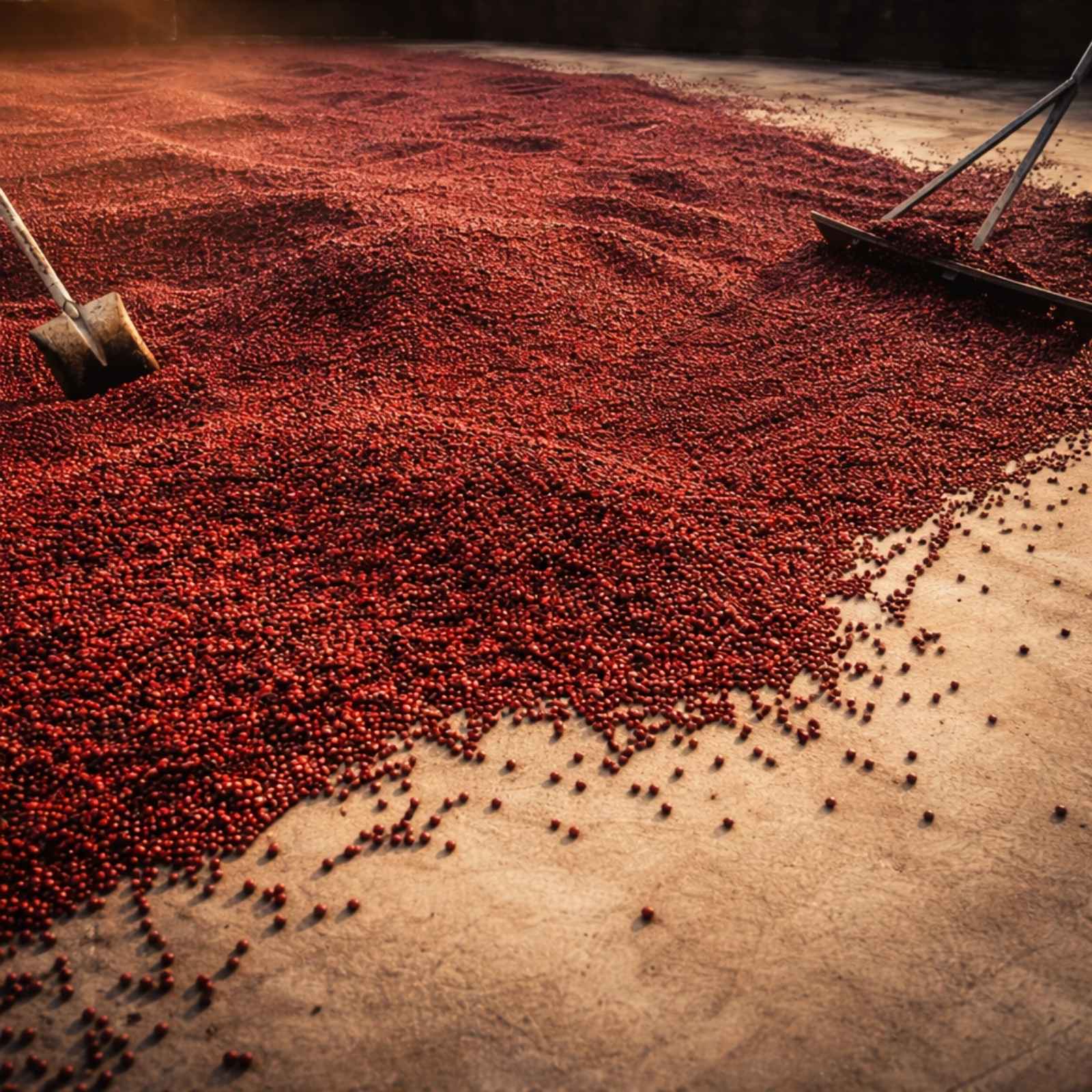
Natural / Dry Process
Widely used for Robusta, producing heavier body, sweetness, and bold structure.
Honey / Pulped Natural Processing
Including yellow, red, and black honey styles, increasingly used to enhance sweetness and mouthfeel.
Anaerobic Fermentation
Growing in popularity among specialty producers to intensify aromatics and complexity.
Extended & Controlled Fermentation
Lengthened or managed fermentations designed to shape sweetness, acidity, and texture.
Carbonic Maceration & Sealed Fermentation Techniques
Experimental sealed fermentations adapted from winemaking, producing distinctive profiles in limited lots.
Flavor Profiles & Cup Characteristics
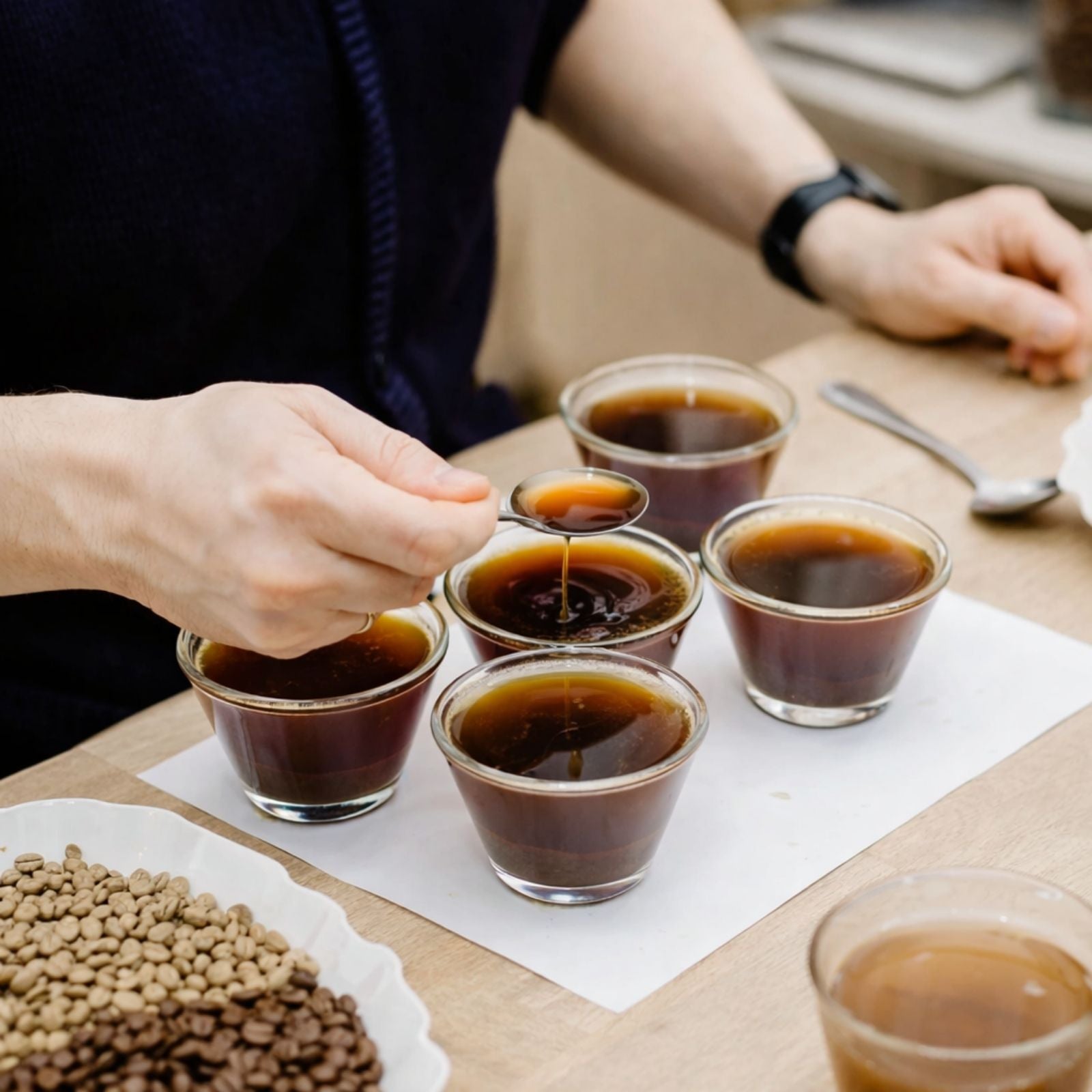
Vietnamese Robusta coffees are typically bold and full-bodied, with low acidity, high caffeine content, and flavor notes that may include cocoa, grain, nut, earth, and spice.
Vietnamese Arabica coffees tend to be cleaner and more balanced, with medium acidity, medium body, and notes of citrus, stone fruit, caramel, and chocolate depending on processing and elevation.
Harvest Seasons & Coffee Availability
Vietnam generally follows a single primary harvest season from November through January, with some variation by region and elevation. The defined harvest cycle supports consistent export availability.
Quality Standards & Classification Systems
Coffee quality in Vietnam is assessed through physical grading and sensory evaluation, with distinctions between Arabica and Robusta grading systems. Specialty Arabica and improved Robusta lots increasingly achieve higher scores as processing and farm management improve.
Sustainability, Farming Structure & Challenges
Vietnamese coffee production is predominantly smallholder-based and highly efficient. Challenges include water use, climate variability, and soil management. Sustainable farming initiatives, improved processing infrastructure, and specialty market access play growing roles in long-term viability.
Why Vietnamese Coffee Stands Out
Vietnam stands out for its scale, efficiency, and central role in global coffee supply. Its evolution toward higher-quality Arabica and specialty Robusta highlights the country’s capacity to combine volume with improving quality and diversity.
Conclusion
Vietnamese coffee reflects both global impact and ongoing transformation. From powerful Robustas that anchor worldwide consumption to increasingly refined Arabicas and experimental specialty lots, Vietnam continues to shape the present and future of coffee production in the Asia–Pacific region.
To examine one of the world’s most historically influential coffee origins defined by regional diversity and distinctive processing, continue to Indonesian coffee.