Java Coffee: History, Regions, Varietals, Processing Methods, and Flavor Profiles
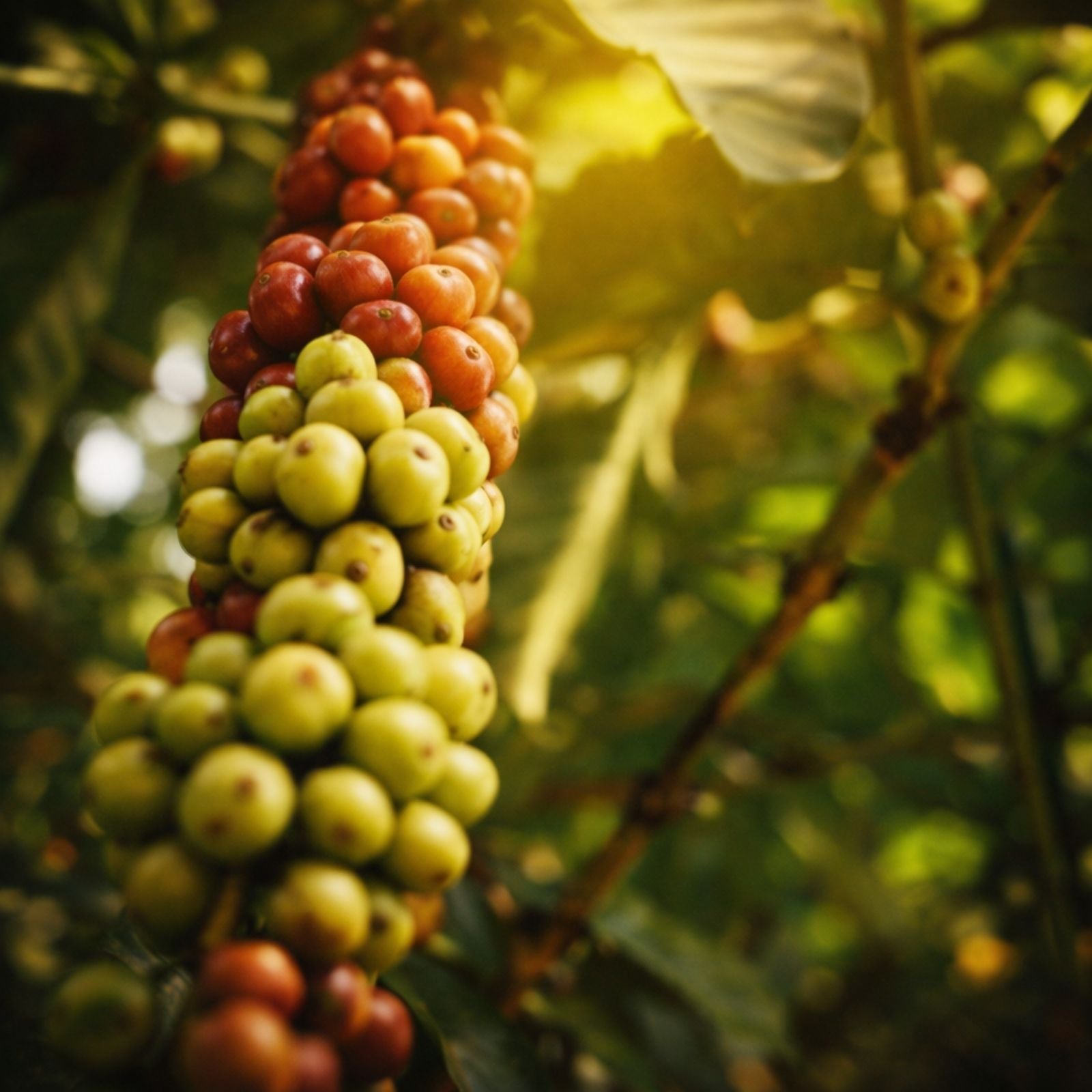
Coffee from Java holds a foundational place in global coffee history and remains synonymous with some of the earliest organized coffee production outside Africa and the Arabian Peninsula. Java’s coffee identity is shaped by estate-based cultivation, volcanic soils, and a long tradition of washed processing that produces clean, structured, and balanced coffees. Compared to other Indonesian origins, Javanese coffees tend to emphasize clarity, sweetness, and composure rather than heavy earthiness.
History of Coffee in Java
Coffee was introduced to Java in the late 17th century by Dutch colonial authorities, making it one of the first regions outside Ethiopia and Yemen to cultivate coffee at scale. Java quickly became central to global coffee trade, and for generations the word “java” itself became a synonym for coffee.
After disease outbreaks in the 19th century reduced Arabica plantings, Robusta expanded in lower elevations while Arabica persisted in cooler highland estates. In the modern era, Java has re-established itself as a specialty origin through improved varietal selection, estate management, and consistent washed processing.
Geography & Coffee-Growing Landscape
Java’s coffee-growing landscape spans fertile volcanic highlands, rolling plateaus, and mountainous regions influenced by active and dormant volcanoes. Rich volcanic soils provide excellent drainage and mineral content, supporting steady plant growth and flavor development.
Compared to wetter islands such as Sumatra, Java experiences more defined dry seasons, allowing for more controlled drying and processing. Coffee is grown both on large historic estates and by smallholder farmers, depending on region.
Major Coffee-Growing Regions
Java’s coffee identity is defined by several key producing areas.
East Java (Ijen Plateau)
One of Java’s most recognized specialty regions, the Ijen Plateau produces clean, sweet coffees with balanced acidity and structured body. Estate production and washed processing are common.
Central Java
Historically significant, Central Java produces approachable coffees with soft acidity, medium body, and chocolate or nut-forward profiles.
West Java
Home to higher-elevation farms and increasing specialty focus, West Java coffees often show improved clarity, gentle fruit notes, and refined sweetness.
Elevation & Growing Conditions
Javanese Arabica is typically grown between approximately 1,000 and 1,700 meters above sea level, with some estates reaching higher elevations. Robusta is cultivated at lower elevations where warmer conditions prevail.
Elevation influences bean density and acidity, while Java’s relatively balanced climate supports washed processing and consistent cup structure.
Coffee Varietals Grown in Java
Java cultivates a combination of traditional Arabica cultivars, modern hybrids, and Robusta.
Traditional & Historically Established Varietals
Typica-derived cultivars historically defined Javanese Arabica production and remain present in select estate plantings.
Modern & Hybrid Varietals
Catimor, Sarchimor-derived lines, and other rust-resistant hybrids are widely planted to improve resilience while maintaining cup quality.
Robusta / Canephora Varietals
Robusta is grown at lower elevations and remains important for volume production and commercial blends.
Heritage, Exotic & Specialty Varietals
Gesha (Geisha) and other specialty varietals appear in limited high-elevation estates and experimental micro-lots.
Processing Methods Used
Java is best known within Indonesia for its consistent use of washed processing.
Washed / Fully Washed
The defining method for Javanese coffee, producing clean, structured cups with balanced acidity and sweetness.
Natural / Dry Process
Used selectively, producing fruit-forward coffees with increased sweetness and body.
Honey Processing
Limited and experimental, retaining some mucilage to enhance sweetness and texture.
Anaerobic Fermentation
Increasingly explored by specialty estates to enhance aromatics and complexity.
Extended & Controlled Fermentation
Lengthened or carefully managed fermentations designed to shape sweetness, acidity, and mouthfeel.
Carbonic Maceration & Sealed Fermentation Techniques
Experimental sealed fermentations adapted from winemaking, producing distinctive aromatic profiles in small volumes.
Flavor Profiles & Cup Characteristics
Javanese coffees are generally known for balance, composure, and cleanliness. Common characteristics include low to moderate acidity, medium body, refined sweetness, and a smooth, lingering finish.
Flavor notes often include cocoa, dark chocolate, nut, spice, caramel, and subtle dried fruit, with washed lots emphasizing clarity and structure.
Harvest Seasons & Coffee Availability
Java typically follows a primary harvest cycle from May through September, with timing varying by elevation and region. Estate-based production supports consistent availability and uniform lot separation.
Quality Standards & Classification Systems
Coffee quality in Java is assessed through physical grading and sensory evaluation. Estate separation, processing consistency, and traceability play important roles in quality differentiation, particularly for specialty lots.
Sustainability, Farming Structure & Challenges
Java’s coffee production includes both large estates and smallholder farms. Challenges include plant disease pressure, labor costs, and climate variability. Estate management practices, improved varietal selection, and processing control support long-term sustainability.
Why Javanese Coffee Stands Out
Java stands out within Indonesia for its historical significance and emphasis on washed processing. Its coffees offer a cleaner, more structured alternative to the heavier profiles commonly associated with other Indonesian origins.
Conclusion
Javanese coffee reflects the origins of global coffee trade and the enduring value of precision-focused cultivation. Through volcanic terroir, estate-based farming, and consistent washed processing, Java continues to produce coffees defined by balance, clarity, and timeless structure.
To examine a highland Indonesian origin known for balance, body, and refined structure, continue to Sulawesi coffee.