Sulawesi Coffee: History, Regions, Varietals, Processing Methods, and Flavor Profiles

Coffee from Sulawesi is known for its depth, balance, and refined structure, offering a distinctive expression within Indonesia’s coffee landscape. Grown primarily in highland regions under cooler conditions than much of the archipelago, Sulawesi coffees often bridge the gap between the heavy, earthy profiles of Sumatra and the cleaner, more structured styles of Java. The result is coffee characterized by full body, controlled acidity, and layered sweetness.
History of Coffee in Sulawesi
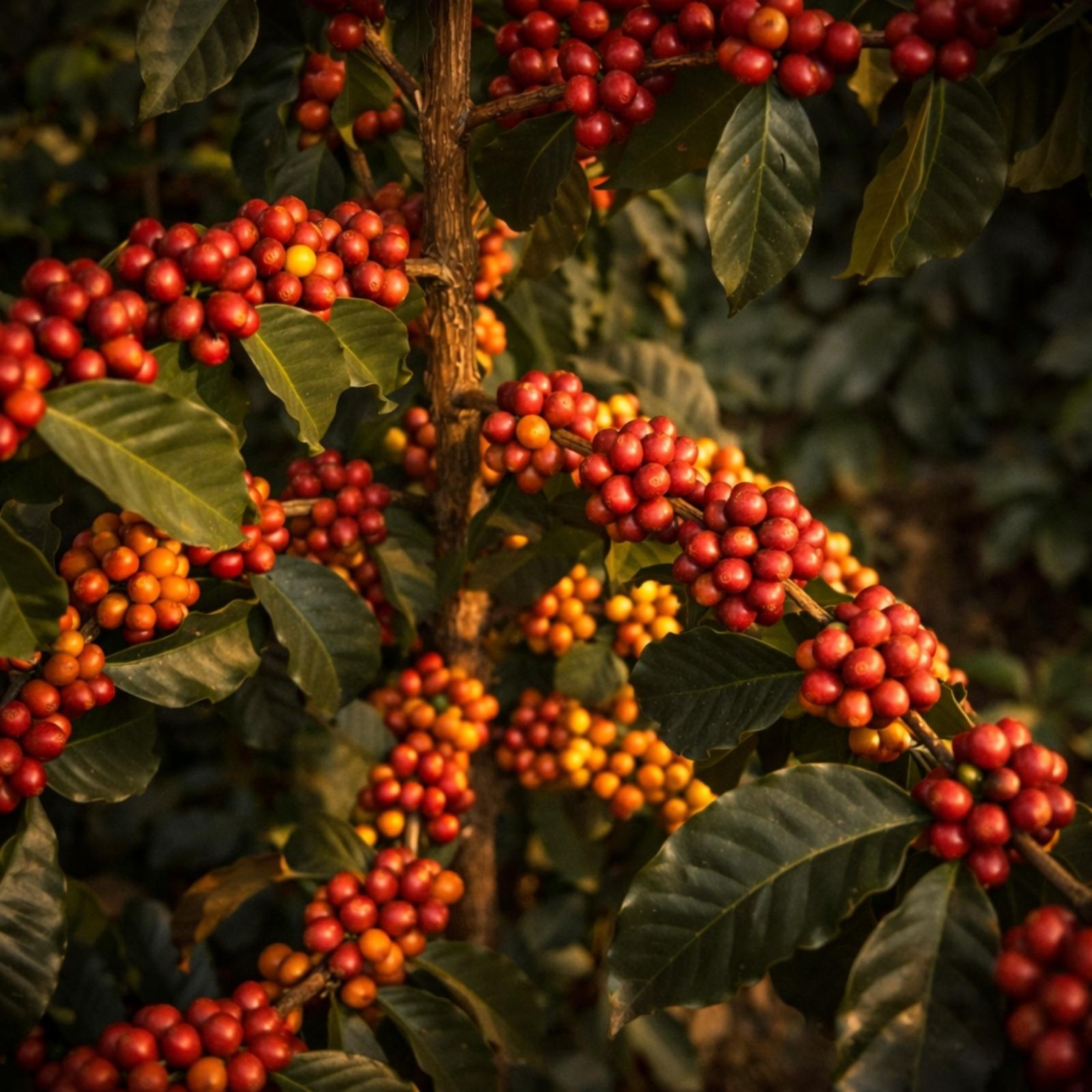
Coffee cultivation in Sulawesi dates back to the 18th and 19th centuries, introduced during the Dutch colonial period as production expanded beyond Java. The island’s rugged interior highlands proved suitable for Arabica coffee, particularly in what is now known as the Toraja region.
For much of its history, Sulawesi coffee remained relatively isolated due to difficult terrain and limited infrastructure. This isolation helped preserve traditional farming practices and contributed to the development of a distinct regional identity. In recent decades, improved access, cooperative organization, and specialty market demand have increased Sulawesi’s visibility as a high-quality origin.
Geography & Coffee-Growing Landscape
Sulawesi’s coffee-growing landscape is dominated by mountainous highlands, steep valleys, and volcanic or mineral-rich soils. Coffee is typically cultivated at elevation in cooler, less humid conditions than found in Sumatra, allowing for slower cherry maturation and more controlled drying.
Rainfall patterns and altitude support steady sugar development and balanced acidity. Farms are generally smallholder-operated, often located in remote areas where traditional methods remain central to production.
Major Coffee-Growing Regions
Sulawesi’s coffee identity is closely tied to its highland regions.
Toraja
The most famous Sulawesi coffee region, Toraja produces coffees known for full body, refined sweetness, and complex flavor layers. Profiles often include cocoa, spice, and subtle fruit, with a smoother, cleaner structure than many wet-hulled Sumatran coffees.
Enrekang
A highland area producing balanced coffees with medium acidity, chocolate sweetness, and increasing specialty recognition.
Mamasa
A smaller producing region with growing interest in specialty production, Mamasa coffees often show clean structure, gentle fruit, and spice-driven complexity.
Elevation & Growing Conditions
Sulawesi Arabica is typically grown between approximately 1,200 and 1,800 meters above sea level, with some farms reaching higher elevations. Elevation contributes to bean density, sweetness, and a more composed acidity compared to lower-altitude Indonesian coffees.
Cooler temperatures and highland conditions allow for longer maturation and improved flavor definition, supporting Sulawesi’s reputation for balance and depth.
Coffee Varietals Grown in Sulawesi
Sulawesi cultivates a mix of traditional Arabica cultivars, modern hybrids, and limited Robusta.
Traditional & Historically Established Varietals
Typica-derived cultivars and Bourbon selections historically formed the foundation of Sulawesi Arabica production and remain present in some areas.
Modern & Hybrid Varietals
Catimor, Sarchimor-derived lines, and other rust-resistant hybrids are widely planted to improve resilience while maintaining acceptable cup quality under highland conditions.
Robusta / Canephora Varietals
Robusta is grown at lower elevations in limited quantities, primarily for local consumption and commercial use.
Heritage, Exotic & Specialty Varietals
Gesha (Geisha) and other specialty varietals appear in small experimental or high-elevation plantings, mainly for micro-lot and specialty-focused production.
Processing Methods Used
Sulawesi processing methods reflect both Indonesian traditions and regional adaptations.
Wet-Hulled / Giling Basah
Used in some areas, producing coffees with fuller body and reduced acidity, though often cleaner and more structured than Sumatran wet-hulled profiles.
Washed / Fully Washed
Increasingly common in specialty contexts, emphasizing clarity, balance, and improved flavor separation.
Natural / Dry Process
Used selectively, producing fruit-forward coffees with enhanced sweetness and body.
Honey Processing
Limited and experimental, retaining some mucilage to enhance sweetness and mouthfeel.
Anaerobic Fermentation
Increasingly explored by specialty producers to intensify aromatics and complexity.
Extended & Controlled Fermentation
Lengthened or managed fermentations designed to influence sweetness, body, and structure.
Carbonic Maceration & Sealed Fermentation Techniques
Experimental sealed fermentations adapted from winemaking, producing distinctive sensory profiles in small volumes.
Flavor Profiles & Cup Characteristics
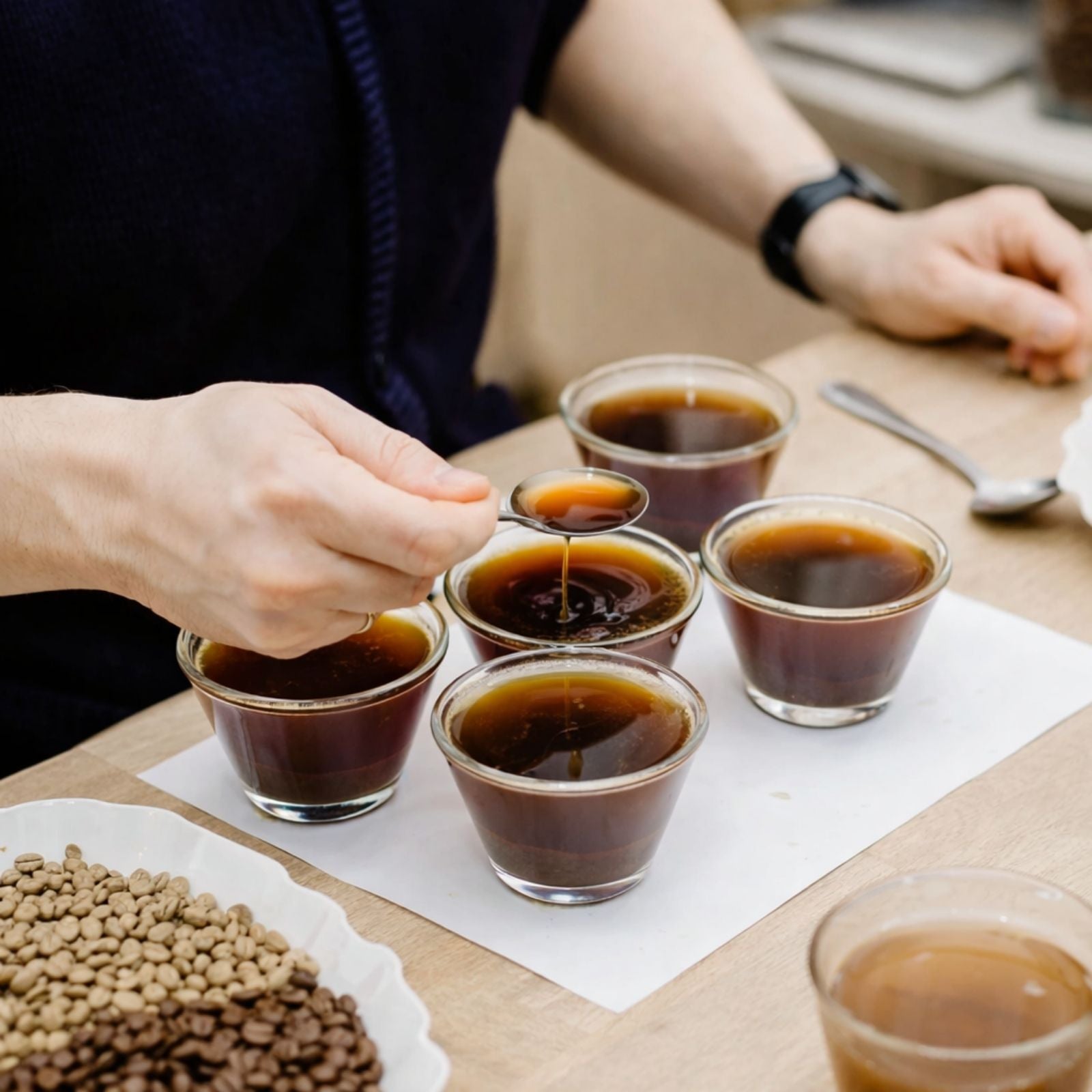
Sulawesi coffees are widely appreciated for balance, depth, and smooth structure. Common characteristics include full body, low to moderate acidity, refined sweetness, and a long, composed finish.
Flavor notes often include cocoa, dark chocolate, baking spice, cedar, dried fruit, and subtle earth, with washed lots offering greater clarity and wet-hulled lots emphasizing weight and richness.
Harvest Seasons & Coffee Availability
Sulawesi generally follows a primary harvest cycle from May through October, with timing varying by elevation and microclimate. Highland regions often harvest later in the season.
Quality Standards & Classification Systems
Coffee quality in Sulawesi is assessed through physical grading and sensory evaluation. Regional designation, processing method, and cooperative separation contribute to quality differentiation, particularly for specialty and micro-lot offerings.
Sustainability, Farming Structure & Challenges
Sulawesi coffee production is predominantly smallholder-based. Challenges include remote geography, infrastructure limitations, and climate variability. Cooperative systems, improved processing practices, and specialty premiums support long-term sustainability and quality improvement.
Why Sulawesi Coffee Stands Out
Sulawesi stands out for offering a uniquely balanced Indonesian profile—combining body and depth with greater structure and cleanliness than many neighboring origins. Its coffees appeal to those seeking richness without excessive earthiness.
Conclusion
Sulawesi coffee represents a refined expression of Indonesian highland coffee. Through its mountainous terroir, evolving processing practices, and commitment to balance and depth, Sulawesi continues to produce coffees that are both distinctive and versatile within the global specialty landscape.
For a Pacific origin shaped by high elevations, smallholder farming, and clean washed processing, continue to Papua New Guinean coffee.