Panama Coffee: History, Regions, Varietals, Processing Methods, and Flavor Profiles

Coffee from Panama occupies a singular position in the modern specialty coffee world. While Panama is a relatively small producer by volume, it is globally influential due to its role in redefining coffee quality, pricing, and sensory expectations—particularly through the cultivation of Gesha coffee. Panamanian coffee is shaped by high elevations, volcanic soils, cool mountain climates, and an uncompromising focus on varietal selection and processing precision.
History of Coffee in Panama
Coffee was introduced to Panama in the 19th century as agricultural development expanded in the country’s western highlands. Early production focused on traditional Arabica varieties grown in the fertile volcanic soils surrounding Volcán Barú.
For much of the 20th century, Panama remained a quiet, regional producer. This changed dramatically in the early 21st century when Panamanian Gesha coffees gained international recognition for their unprecedented aromatic complexity and clarity. Since then, Panama has become one of the most influential origins in specialty coffee, setting global benchmarks for quality, traceability, and micro-lot production.
Geography & Coffee-Growing Landscape
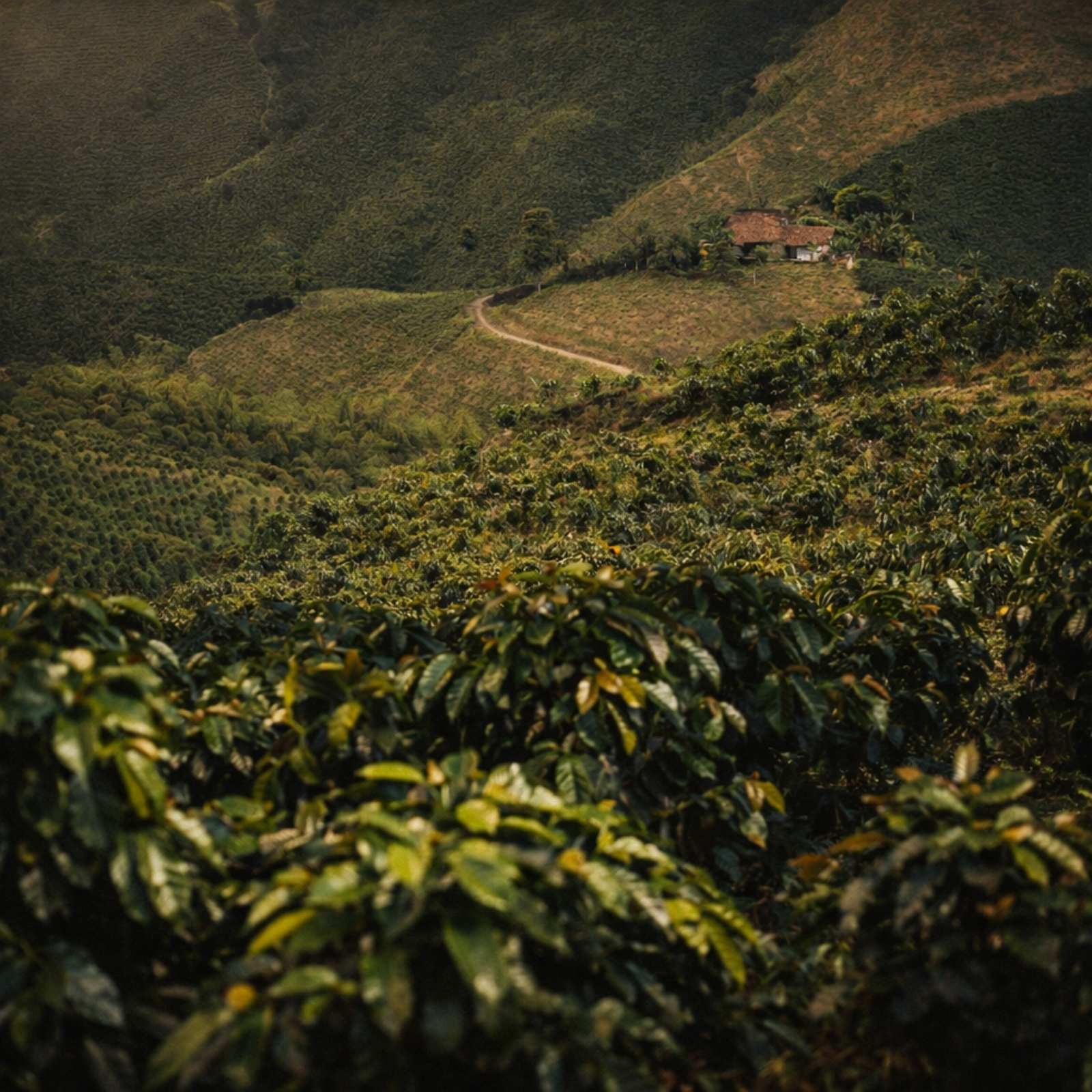
Panama’s coffee-growing regions are concentrated in the western province of Chiriquí, near the Costa Rica border. The landscape is dominated by volcanic mountain ranges, cloud forests, and steep slopes surrounding Volcán Barú, Central America’s highest peak.
Cool temperatures, frequent mist, consistent rainfall, and strong diurnal temperature variation slow cherry maturation and promote high bean density. Volcanic soils rich in minerals further contribute to clarity, sweetness, and refined acidity.
Major Coffee-Growing Regions
Panama’s coffee production is geographically compact but highly specialized.
Boquete
The most famous Panamanian coffee region, Boquete produces high-elevation coffees known for exceptional clarity, floral aromatics, and structured acidity. This region is particularly associated with Geisha coffee and competition-level micro-lots.
Volcán
Located on the slopes of Volcán Barú, Volcán produces clean, sweet coffees with bright acidity and pronounced aromatic expression, benefiting from high elevations and cool temperatures.
Renacimiento
A newer but increasingly recognized region near the Costa Rican border, Renacimiento produces expressive coffees with sweetness, clarity, and growing specialty focus.
Elevation & Growing Conditions
Panamanian coffee is typically grown between approximately 1,400 and 2,000 meters above sea level, with some farms reaching higher elevations. These altitudes contribute to slow cherry development, dense beans, and high aromatic potential.
Cool temperatures, cloud cover, and volcanic soils work together to produce coffees with refined acidity, elegant sweetness, and pronounced flavor separation.
Coffee Varietals Grown in Panama
Panama grows a diverse but highly curated selection of coffee varietals, emphasizing quality over volume.
Traditional & Historically Established Varietals
Typica, Bourbon, Caturra, Catuai, and Maragogipe form the traditional foundation of Panamanian coffee production. These varietals are valued for balance, sweetness, and clarity under high-elevation conditions.
Signature & Specialty Varietals
Gesha (Geisha) is Panama’s most iconic varietal, renowned for its floral aromatics, tea-like body, and extraordinary complexity. Ethiopian landrace selections related to Gesha are also cultivated in limited quantities.
Heritage, Exotic & Limited Varietals
SL28, SL34, Pacamara, Laurina, and other rare or experimental plantings appear on select farms and micro-lots. These varietals are prized for distinctive acidity structures, aromatic intensity, and unique sensory expression.
Processing Methods Used
Panama employs one of the most advanced and diverse processing repertoires in specialty coffee.
Washed / Fully Washed
A foundational method emphasizing clarity, structure, and transparent expression of varietal and terroir.
Natural / Dry Process
Used selectively to enhance sweetness and fruit expression while maintaining precision through careful drying control.
Honey Processing
Including yellow, red, and black honey styles, retaining varying levels of mucilage to balance sweetness, body, and clarity.
Anaerobic Fermentation
Oxygen-limited fermentation used extensively to amplify aromatics and complexity, particularly in Geisha micro-lots.
Extended & Controlled Fermentation
Lengthened or temperature-managed fermentations designed to fine-tune acidity, sweetness, and mouthfeel.
Carbonic Maceration & Sealed Fermentation Techniques
Sealed fermentations adapted from winemaking, producing highly aromatic and distinctive profiles.
Co-Fermentation
Experimental fermentations incorporating fruits or botanicals, used sparingly in innovation-driven lots.
Flavor Profiles & Cup Characteristics
Panamanian coffees are best known for exceptional aromatic intensity, clarity, and elegance. Common characteristics include bright, refined acidity, delicate sweetness, light to medium body, and an exceptionally clean finish.
Flavor notes often include jasmine, bergamot, citrus, tropical fruit, stone fruit, honey, and tea-like florals, with variation driven by varietal, elevation, and processing method.
Harvest Seasons & Coffee Availability
Panama follows a single primary harvest cycle, generally running from December through March. Harvest timing varies by elevation, with higher-altitude farms harvesting later in the season.
Quality Standards & Classification Systems
Coffee quality in Panama is evaluated through physical grading and sensory assessment, with an exceptionally strong emphasis on cup quality, micro-lot separation, and traceability. Specialty coffees frequently achieve very high scores, with top Gesha lots setting global quality benchmarks.
Sustainability, Farming Structure & Challenges
Panamanian coffee production is largely estate-based and smallholder-driven, often operating at high elevations with limited available land. Challenges include rising production costs, labor intensity, and climate variability. Many producers invest heavily in quality-focused farming, processing innovation, and environmental stewardship to maintain long-term viability.
Why Panamanian Coffee Stands Out
Panama stands out for its unmatched influence on modern specialty coffee standards. Through its emphasis on varietal excellence, particularly Gesha, and its leadership in advanced processing techniques, Panama has reshaped global expectations of what coffee can achieve in terms of aroma, clarity, and value.
Conclusion
Panamanian coffee represents the pinnacle of precision-driven coffee production. From its volcanic terroir and high-elevation farms to its world-renowned varietals and innovative processing, Panama continues to define the upper limits of coffee quality and sensory expression, securing its place as one of the most influential origins in the world.
For a look at an origin defined by volcanic soils, high elevations, and structured washed coffees, continue to Guatemalan coffee.