Guatemala Coffee: History, Regions, Varietals, Processing Methods, and Flavor Profiles
Coffee from Guatemala is defined by dramatic volcanic landscapes, high elevations, and a long tradition of meticulous coffee cultivation. Guatemala is widely regarded as one of Central America’s most important coffee origins, known for producing structured, complex coffees with pronounced acidity, sweetness, and depth. Rather than a single flavor identity, Guatemalan coffee reflects the interaction of altitude, volcanic soil, microclimate, varietal selection, and processing precision across its distinct regions.
History of Coffee in Guatemala
Coffee was introduced to Guatemala in the mid-18th century and expanded significantly during the 19th century as global demand increased. Favorable growing conditions in the country’s highlands allowed coffee to replace other export crops and become a cornerstone of the national economy.
Over time, Guatemala developed a reputation for quality-driven production, supported by regional differentiation and institutional frameworks focused on research and classification. The country’s coffee sector evolved toward specialty coffee by emphasizing altitude, terroir, and post-harvest control, positioning Guatemala as a benchmark origin for structured, high-acidity coffees.
Geography & Coffee-Growing Landscape
Guatemala’s coffee-growing regions are shaped by volcanic mountain ranges, steep valleys, and varied microclimates. Much of the country lies at high elevation, with active and dormant volcanoes contributing mineral-rich soils well suited to coffee cultivation.
Temperature variation, consistent rainfall patterns, and significant day–night temperature differentials slow cherry maturation, encouraging sugar development and complex acidity. These conditions make Guatemala particularly well suited for washed coffees with clarity and definition.
Major Coffee-Growing Regions
Guatemala recognizes several distinct coffee regions, each with its own environmental and sensory characteristics.
Antigua
One of Guatemala’s most famous regions, Antigua is defined by volcanic soils, high elevation, and dry winds that reduce disease pressure. Coffees are known for balance, sweetness, chocolate depth, and bright yet controlled acidity.
Huehuetenango
Located near the Mexican border, Huehuetenango features some of the highest non-volcanic coffee-growing elevations in Guatemala. Coffees often display bright acidity, floral aromatics, and pronounced fruit complexity.
Atitlán
Surrounding Lake Atitlán, this region benefits from volcanic soils and consistent moisture. Coffees are typically sweet, full-bodied, and expressive, with citrus and chocolate notes.
Cobán
Characterized by persistent cloud cover and high humidity, Cobán produces softer, aromatic coffees with gentle acidity and herbal or spicy nuances.
Acatenango
Situated between volcanoes, Acatenango coffees often show structured acidity, pronounced sweetness, and layered complexity influenced by volcanic soils.
San Marcos
One of the warmest and wettest coffee regions, San Marcos produces coffees with bright acidity, floral notes, and lighter body when harvested and processed carefully.
Elevation & Growing Conditions
Guatemalan coffee is typically grown between approximately 1,300 and 2,000 meters above sea level, with some farms reaching higher elevations. Altitude plays a critical role in determining bean density, acidity structure, and aromatic intensity.
Higher elevations contribute to slower maturation and brighter acidity, while slightly lower elevations tend to produce rounder body and softer acidity. Volcanic soil composition further enhances mineral-driven sweetness and structure.
Coffee Varietals Grown in Guatemala
Guatemala cultivates a wide range of coffee varietals, including traditional cultivars, locally developed hybrids, and specialty plantings.
Traditional & Historically Established Varietals
Typica, Bourbon, Caturra, Pache, Pacas, and Maragogipe form the historical backbone of Guatemalan coffee production. These varietals are valued for balance, sweetness, and clarity, though many offer lower yields and varying disease resistance.
Modern & Hybrid Varietals
Catuai, Anacafé 14, Anacafé 15, Sarchimor-derived lines, and other disease-resistant hybrids are grown to improve resilience while maintaining acceptable cup quality. These varietals are increasingly important in modern Guatemalan production.
Heritage, Exotic & Specialty Varietals
Gesha (Geisha), SL28, and limited experimental plantings appear in select regions and high-altitude farms. These varietals are prized for floral aromatics, vibrant acidity, and complex sweetness, often producing high-scoring specialty micro-lots.
Processing Methods Used
Guatemala is historically associated with washed processing, but processing diversity has expanded in recent years.
Washed / Fully Washed
The dominant method, emphasizing clarity, structure, and transparent expression of regional and varietal characteristics.
Natural / Dry Process
Used selectively, producing fruit-forward coffees with increased sweetness and heavier body.
Honey Processing
Includes yellow, red, and black honey styles, retaining varying amounts of mucilage to enhance sweetness and mouthfeel.
Anaerobic Fermentation
Oxygen-limited fermentation used by specialty producers to enhance aromatics and complexity.
Extended & Controlled Fermentation
Longer or temperature-controlled fermentations designed to shape acidity, sweetness, and texture.
Carbonic Maceration & Experimental Processes
Sealed fermentation techniques adapted from winemaking, used in small volumes to produce distinctive sensory profiles.
Flavor Profiles & Cup Characteristics
Guatemalan coffees are widely recognized for structure, brightness, and complexity. Common characteristics include lively acidity, pronounced sweetness, medium to full body, and a clean, lingering finish.
Flavor notes often include citrus, apple, stone fruit, chocolate, cocoa, spice, and floral aromatics, with variation driven by region, elevation, varietal, and processing method.
Harvest Seasons & Coffee Availability
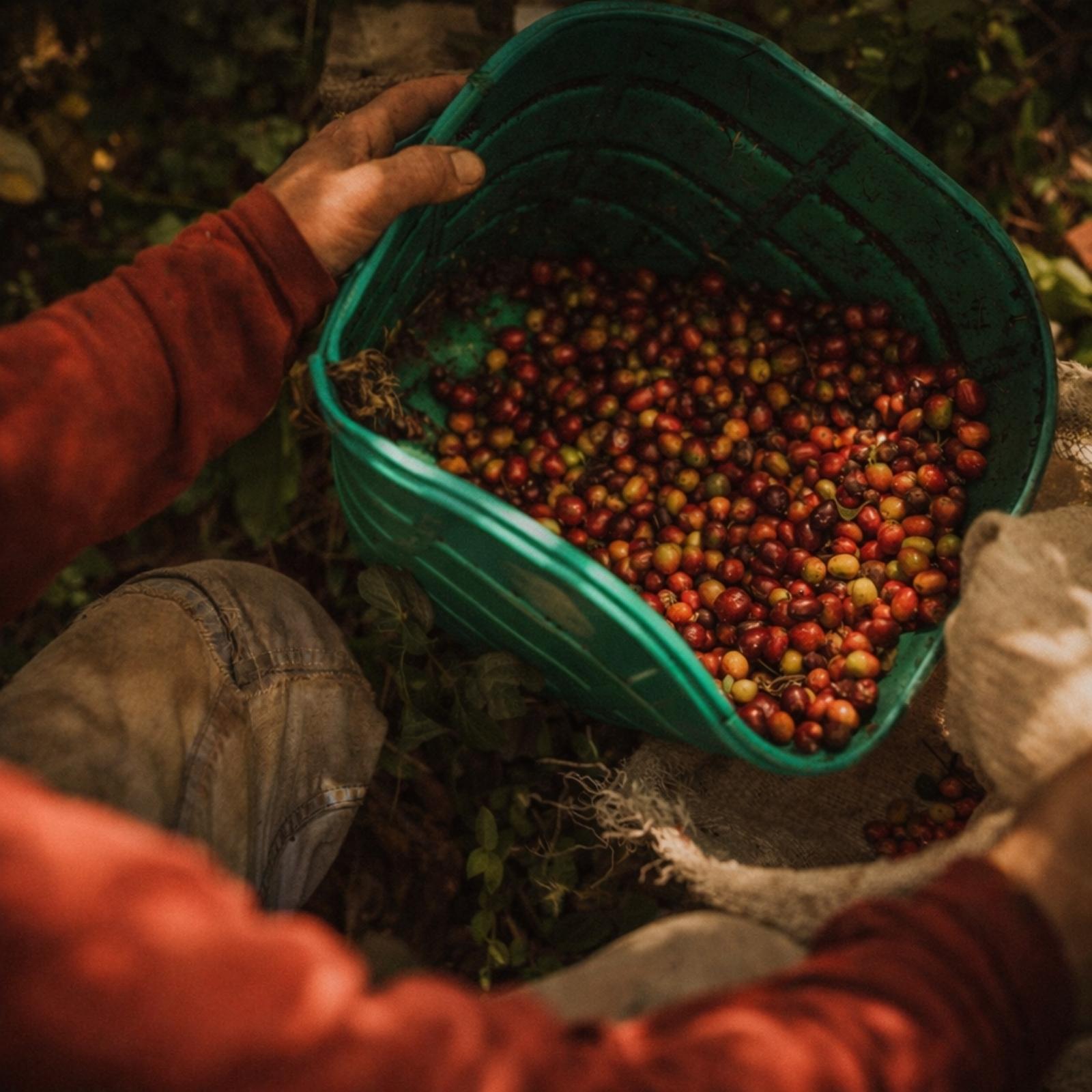
Guatemala follows a single primary harvest cycle, typically running from November through April. Harvest timing varies by region and elevation, with higher-altitude areas harvesting later in the season.
Quality Standards & Classification Systems
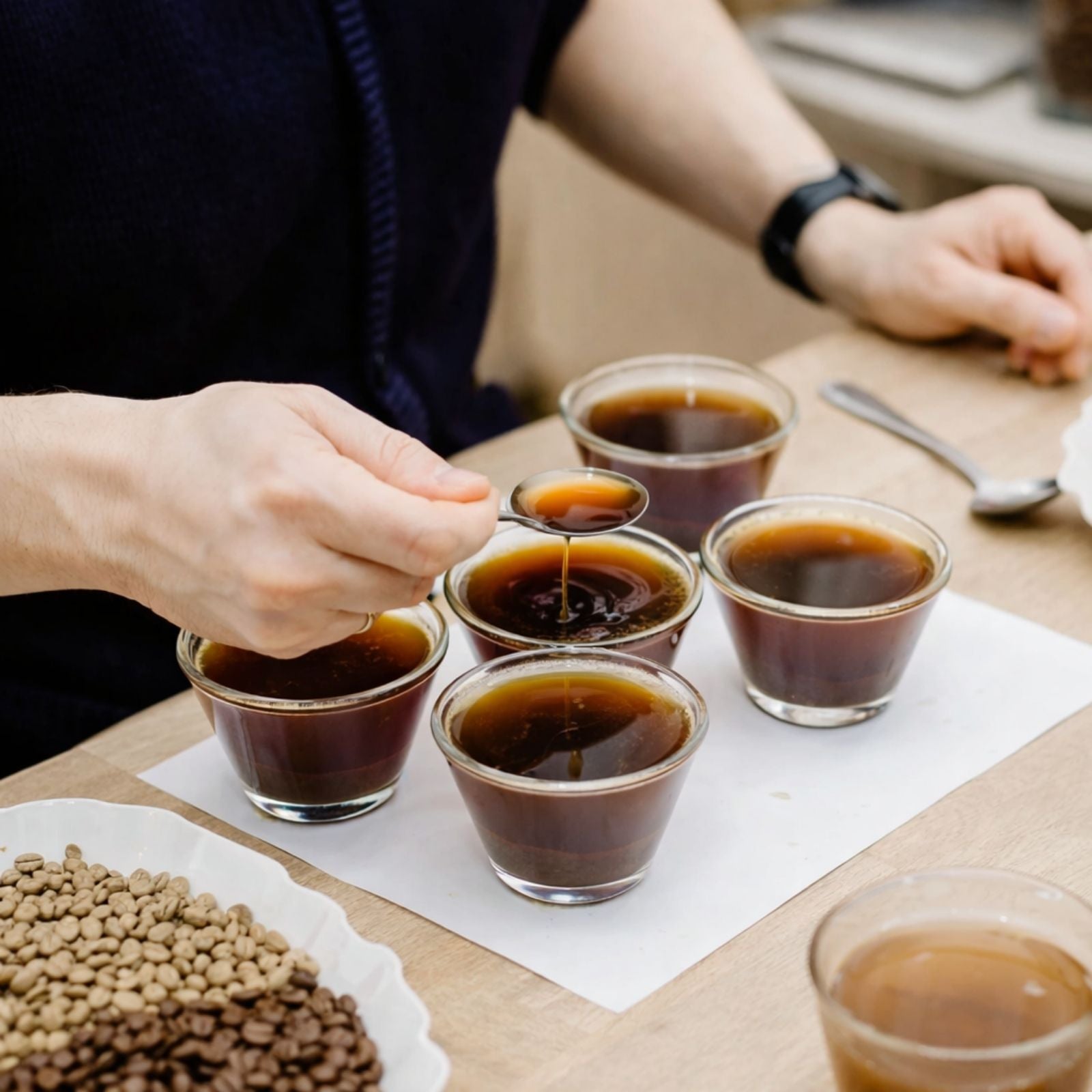
Guatemalan coffee quality is evaluated through physical grading and sensory assessment. Regional classification plays a significant role in quality differentiation, with specialty coffees commonly scoring 80 points and above, and exceptional micro-lots achieving significantly higher scores.
Sustainability, Farming Structure & Challenges
Coffee production in Guatemala is largely smallholder-based, often on steep terrain. Challenges include climate variability, labor availability, and economic pressure on small farms. Many producers rely on cooperative systems, agronomic training, and quality premiums to support long-term sustainability.
Why Guatemalan Coffee Stands Out
Guatemala’s reputation is built on the combination of volcanic soils, high elevations, regional differentiation, and a long-standing focus on washed coffee quality. Few origins offer such consistent structure and clarity across multiple distinct growing regions.
Conclusion
Guatemalan coffee reflects the depth and precision made possible by altitude, volcanic terroir, and careful post-harvest processing. From classic washed profiles to experimental specialty lots, Guatemala continues to produce coffees that are both expressive and structurally refined, securing its place as one of the most respected origins in Central America.
To explore a long-established origin shaped by smallholder production and balanced cup profiles, continue to Mexican coffee.