Costa Rica Coffee: History, Regions, Varietals, Processing Methods, and Flavor Profiles
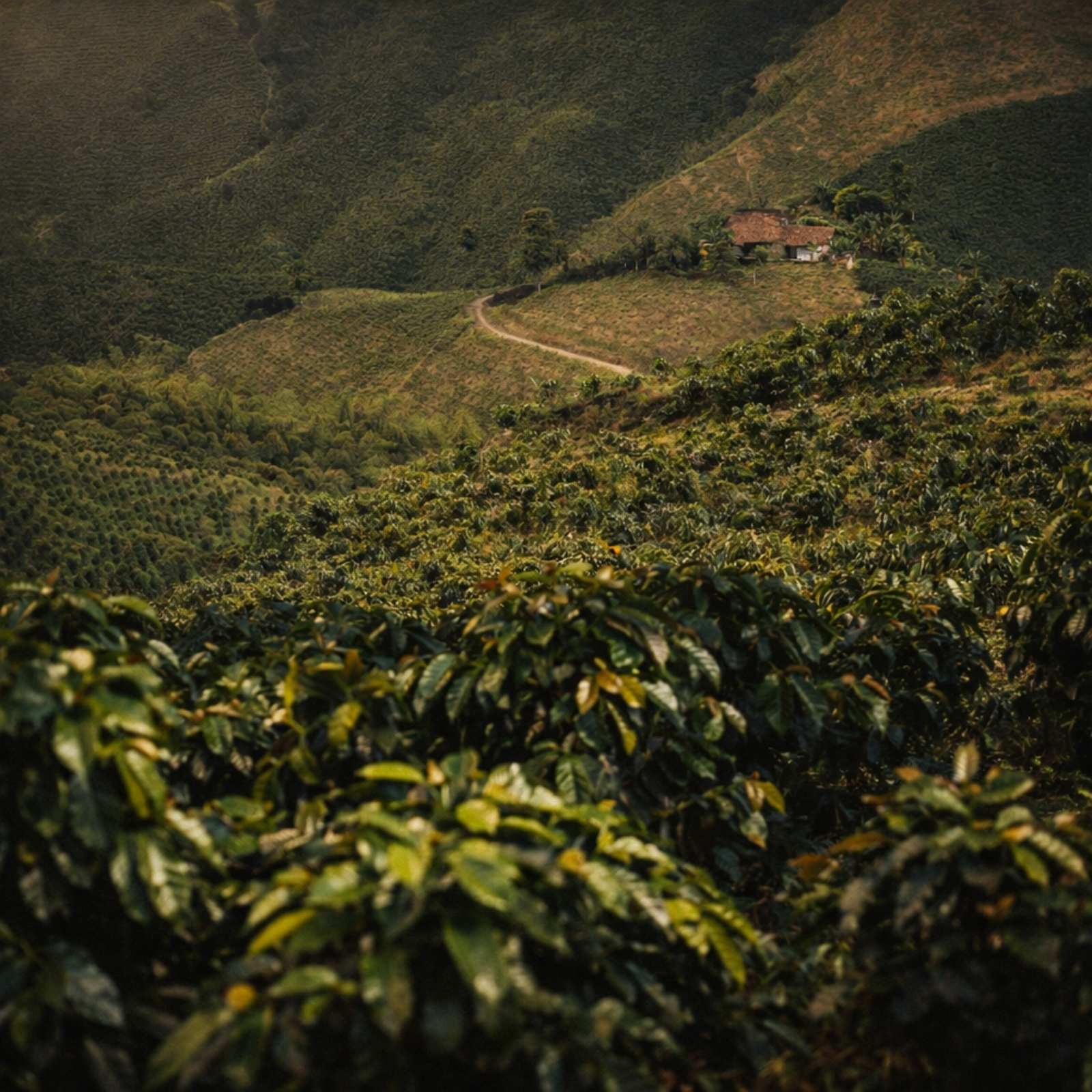
Coffee from Costa Rica is internationally recognized for its clarity, balance, and technical precision. Costa Rica has played a pivotal role in shaping modern specialty coffee, particularly through innovation in processing methods and a long-standing emphasis on Arabica-only production. Rather than focusing on volume, Costa Rican coffee is defined by regional identity, high-quality varietals, and meticulous post-harvest control that allows origin character to remain clearly expressed.
History of Coffee in Costa Rica
Coffee was introduced to Costa Rica in the late 18th century and quickly became central to the country’s economic and cultural development. By the early 19th century, coffee had replaced cacao as the primary export crop, helping to fund infrastructure, education, and national growth.
Costa Rica was among the earliest coffee-producing countries to emphasize quality and traceability. Over time, institutional support, farm-level innovation, and strict production standards positioned Costa Rica as a benchmark origin for clean, well-processed coffees. Its later embrace of experimental and differentiated processing further cemented its influence within specialty coffee.
Geography & Coffee-Growing Landscape
Costa Rica’s coffee-growing regions are shaped by volcanic mountain ranges, fertile soils, and a narrow landmass that produces strong climatic contrasts between the Pacific and Caribbean sides. High elevations and consistent airflow contribute to slow cherry maturation and refined acidity.
Volcanic soils rich in minerals, distinct wet and dry seasons, and significant day–night temperature variation all contribute to structured sweetness and aromatic clarity. These conditions make Costa Rica especially well suited to precision-focused processing.
Major Coffee-Growing Regions
Costa Rica officially recognizes several coffee-growing regions, each with distinct environmental conditions and cup characteristics.
Tarrazú
One of Costa Rica’s most famous regions, Tarrazú produces high-altitude coffees known for bright acidity, pronounced sweetness, and clean, structured profiles often featuring citrus, stone fruit, and honey notes.
Central Valley
A historic coffee region surrounding the capital, Central Valley coffees are balanced and approachable, often showing chocolate, caramel, and mild fruit characteristics.
West Valley
Known for innovation and quality-focused producers, West Valley coffees frequently exhibit bright acidity, clarity, and expressive fruit, often enhanced by advanced processing techniques.
Tres Ríos
Situated near San José, Tres Ríos coffees are typically refined and balanced, with crisp acidity, sweetness, and elegant structure.
Brunca
Located in southern Costa Rica, Brunca produces coffees with fuller body, softer acidity, and chocolate-forward profiles, shaped by warmer conditions.
Turrialba
One of Costa Rica’s oldest coffee regions, Turrialba produces lighter-bodied coffees with gentle acidity and subtle sweetness.
Elevation & Growing Conditions
Costa Rican coffee is typically grown between approximately 1,200 and 2,000 meters above sea level, with some farms exceeding this range. Higher elevations contribute to denser beans, brighter acidity, and greater aromatic expression.
Consistent climate patterns and volcanic soils allow producers to fine-tune harvest timing and processing decisions, resulting in high levels of consistency and clarity across regions.
Coffee Varietals Grown in Costa Rica
Costa Rica cultivates a wide and evolving range of coffee varietals, including traditional cultivars, locally developed hybrids, and specialty selections.
Traditional & Historically Established Varietals
Typica, Bourbon, Caturra, and Catuai form the historical foundation of Costa Rican coffee. These varietals are valued for balance, sweetness, and clarity, though many require careful management due to disease susceptibility.
Modern & Hybrid Varietals
Villa Sarchi, Obatã, Catuaí-derived selections, and other rust-resistant hybrids are widely planted to improve resilience while maintaining cup quality. These varietals play a significant role in contemporary Costa Rican production.
Heritage, Exotic & Specialty Varietals
Gesha (Geisha), SL28, SL34, Pacamara, Yellow Bourbon, and other limited plantings are cultivated by specialty-focused producers seeking exceptional aromatic complexity and distinct cup profiles.
Processing Methods Used
Costa Rica is one of the world’s most influential origins for coffee processing innovation.
Washed / Fully Washed
The traditional and widely used method, emphasizing clarity, structure, and transparent expression of region and varietal.
Honey Processing
Costa Rica is globally associated with honey processing, including yellow, red, black, and white honey styles. These methods retain varying amounts of mucilage, enhancing sweetness, body, and complexity.
Natural / Dry Process
Used selectively, producing fruit-forward coffees with heavier body and intensified sweetness.
Anaerobic Fermentation
Oxygen-limited fermentation used to increase aromatic intensity and complexity.
Extended & Controlled Fermentation
Lengthened or temperature-managed fermentations designed to shape acidity, sweetness, and mouthfeel.
Carbonic Maceration & Sealed Fermentation Techniques
Sealed fermentation methods adapted from winemaking, producing highly distinctive sensory profiles.
Co-Fermentation
Experimental fermentations incorporating fruits or botanicals, typically used in small specialty or competition-focused lots.
Flavor Profiles & Cup Characteristics
Costa Rican coffees are known for precision and balance. Common characteristics include bright, well-defined acidity, refined sweetness, medium body, and a clean, articulate finish.
Flavor notes often include citrus, stone fruit, red apple, honey, floral aromatics, and light chocolate, with variation driven by region, elevation, varietal, and processing method.
Harvest Seasons & Coffee Availability
Costa Rica follows a single primary harvest cycle, generally running from November through March. Harvest timing varies by elevation and region, with higher-altitude areas harvesting later in the season.
Quality Standards & Classification Systems
Costa Rican coffee quality is assessed through physical grading and sensory evaluation. The country’s long-standing emphasis on quality and traceability has made it a consistent producer of specialty-grade coffees, with micro-lots frequently achieving high scores.
Sustainability, Farming Structure & Challenges
Coffee production in Costa Rica is largely smallholder-based, with strong institutional support for sustainability and quality improvement. Challenges include rising production costs, climate variability, and labor availability. Many producers adopt advanced processing, water management, and varietal selection to maintain economic and environmental viability.
Why Costa Rican Coffee Stands Out
Costa Rica stands out for its unwavering focus on quality, Arabica-only production, and leadership in processing innovation. Few origins have influenced global specialty coffee practices as profoundly, particularly through honey and experimental fermentation methods.
Conclusion
Costa Rican coffee reflects a refined and technically precise approach to coffee production. Through its combination of volcanic terroir, high elevations, diverse varietals, and pioneering processing techniques, Costa Rica continues to produce coffees that are both expressive and exceptionally clean, reinforcing its role as a cornerstone of specialty coffee.
For a South American perspective shaped by high elevations, cooperative production, and clean washed profiles, continue to Peruvian coffee.