Percolator Brewing Guide: How to Brew a Strong, Traditional Cup
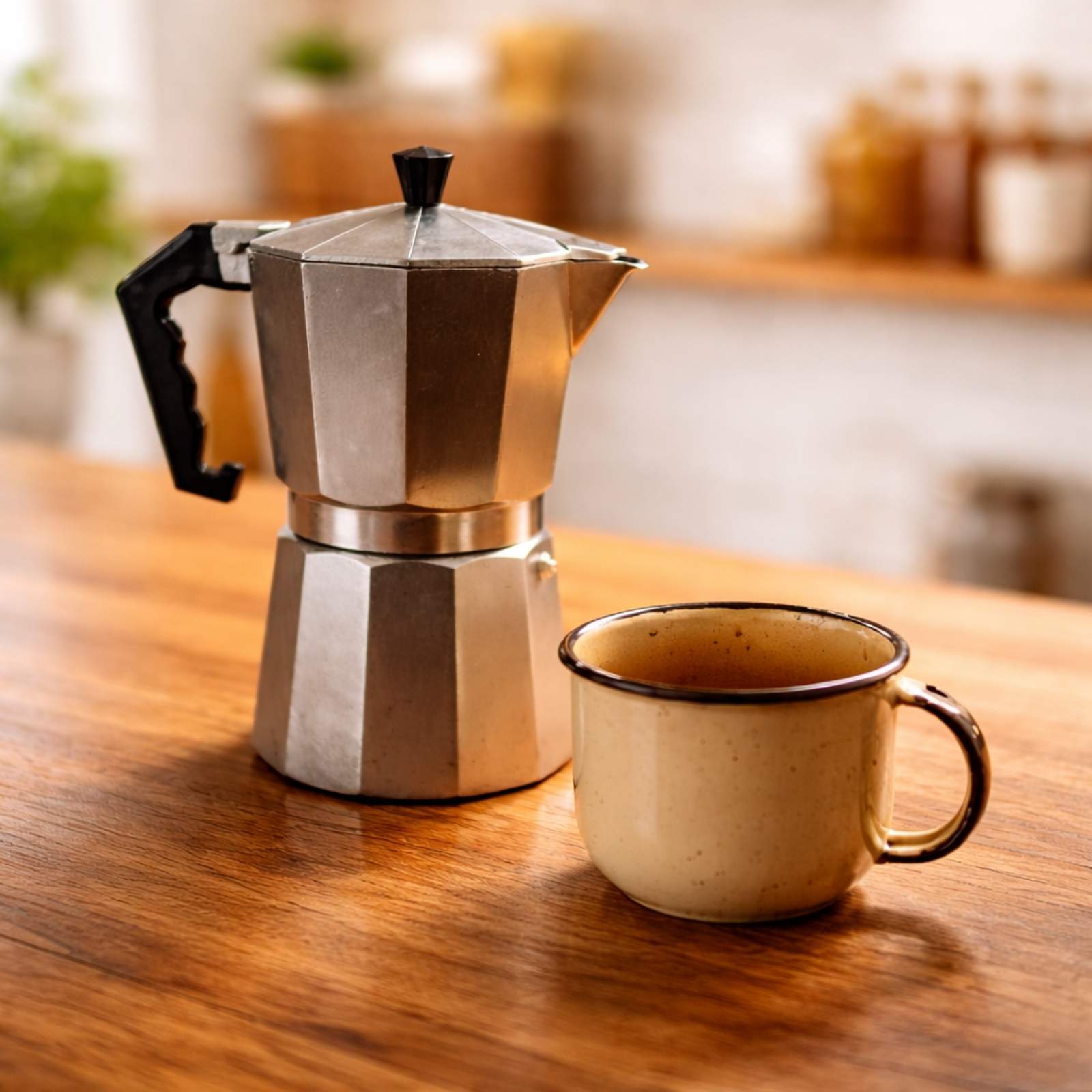
The percolator is one of the oldest coffee brewing methods still in use today. It continuously cycles hot water through coffee grounds, producing a bold, robust cup with heavy body and pronounced roast character.
When brewed carefully, a percolator can deliver a strong, satisfying coffee. Because the water repeatedly passes through the grounds, timing, grind size, and heat control are essential to prevent bitterness and over-extraction.
What Makes the Percolator Unique
Unlike single-pass brewing methods, a percolator recirculates brewed coffee back through the grounds. This means:
- Coffee is extracted repeatedly during brewing
- Strength builds rapidly over time
- Heat and contact time are critical variables
The result is a powerful, old-fashioned cup that emphasizes intensity and depth.
Recommended Grind Size
Grind: Coarse
A coarse grind slows extraction and helps prevent excessive bitterness during repeated brewing cycles.
Grinding too fine accelerates over-extraction and introduces harsh, smoky flavors. Uniform coarse particles are essential for control.
Coffee-to-Water Ratio (8 oz Reference)
This guide uses 8 fl oz (240 ml) as the standard reference size.
- Coffee: 16–20 g
- Water: 240 ml (8 fl oz)
- Ratio: Approximately 1:12 to 1:15
Lower ratios produce an extremely strong cup. Higher ratios soften intensity and reduce bitterness.
How to Brew
- Add 240 ml of water to the bottom chamber of the percolator.
- Place 16–20 g of coarsely ground coffee into the basket.
- Assemble the percolator securely.
- Heat gently over medium-low heat.
- Allow the coffee to percolate for 4–6 minutes, depending on desired strength.
- Remove from heat promptly once brewing is complete.
- Serve immediately.
Stopping the brew at the right time is critical to avoiding bitterness.
Brew Time and Temperature
- Heat level: Medium-low
- Brew time: 4–6 minutes
Longer brewing dramatically increases bitterness due to repeated extraction.
Scaling the Recipe
The percolator scales linearly by maintaining the same ratio.
- 12 oz (360 ml): 24–30 g coffee
- 16 oz (480 ml): 32–40 g coffee
Larger batches require careful timing to prevent over-extraction.
Common Mistakes to Avoid
- Brewing too long
- Using fine or uneven grind sizes
- Applying high heat
- Leaving coffee on heat after brewing
Small timing errors have a large impact on flavor.
How to Adjust Flavor
If the coffee tastes weak:
- Increase coffee dose
- Extend brew time slightly
If the coffee tastes bitter or smoky:
- Shorten brew time
- Grind coarser
- Lower heat
Always adjust one variable at a time.
Taste Profile
A well-brewed percolator cup is:
- Strong and robust
- Heavy-bodied
- Focused on deep roast character
- Slightly smoky or earthy when pushed
It prioritizes intensity over clarity.
The Bottom Line
The percolator is about control and restraint. By using a coarse grind, gentle heat, and precise timing, it produces a bold, traditional cup without overwhelming bitterness.
Mastering the percolator means knowing when to stop.
If you enjoy bold, traditional brewing methods with minimal equipment, the Cowboy coffee method offers a similar rustic approach.