
Home Brewing Guide: Simple Coffee Methods
A refined guide to essential brewing methods, complete with proper grinds, techniques, and simple gram measurements.
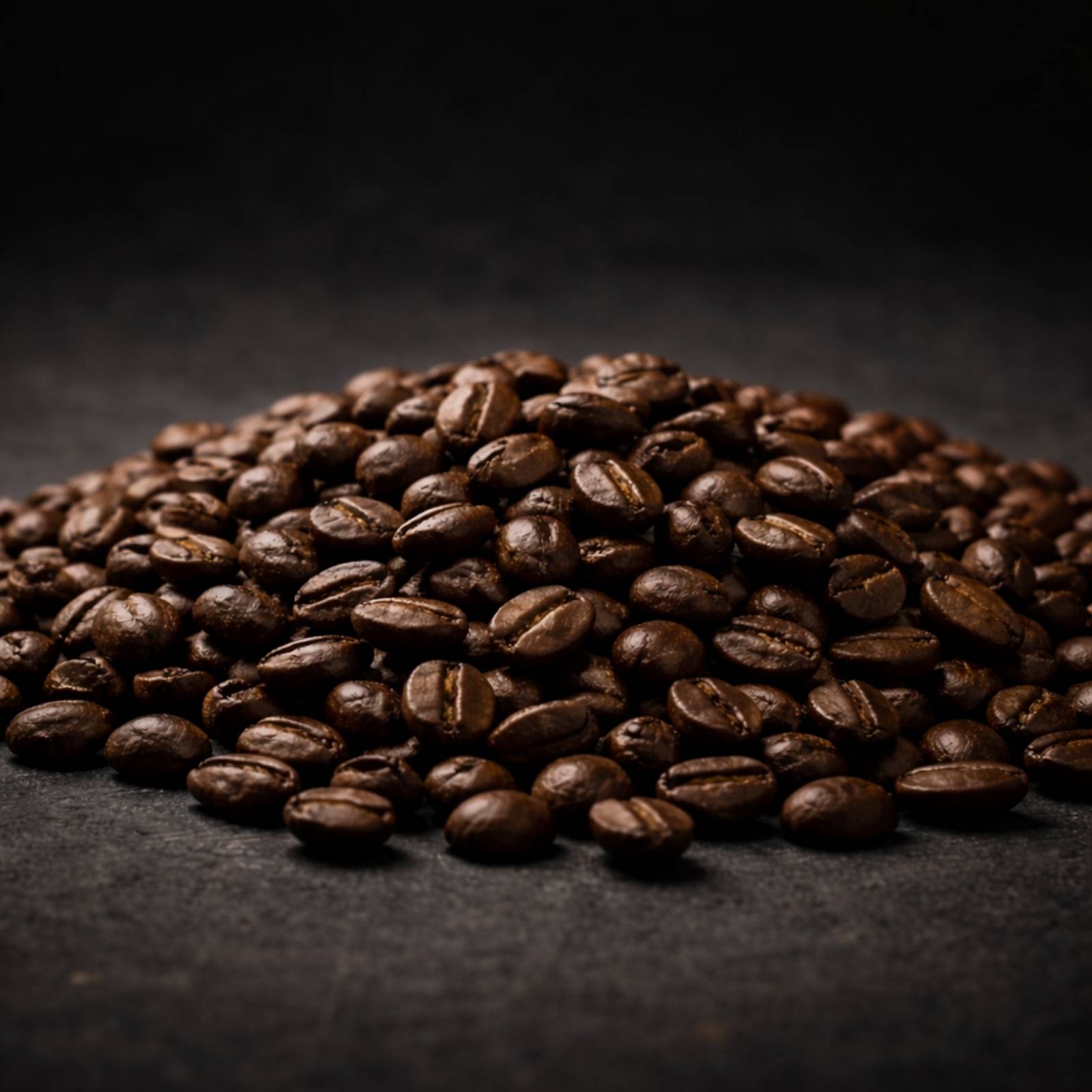
Why Coffee Needs to Rest After Roasting: 7–10 Days Recommended
Freshly roasted coffee requires a deliberate resting period to allow carbon dioxide to dissipate, extraction to stabilize, and the coffee’s full sweetness, clarity, and aroma to emerge.
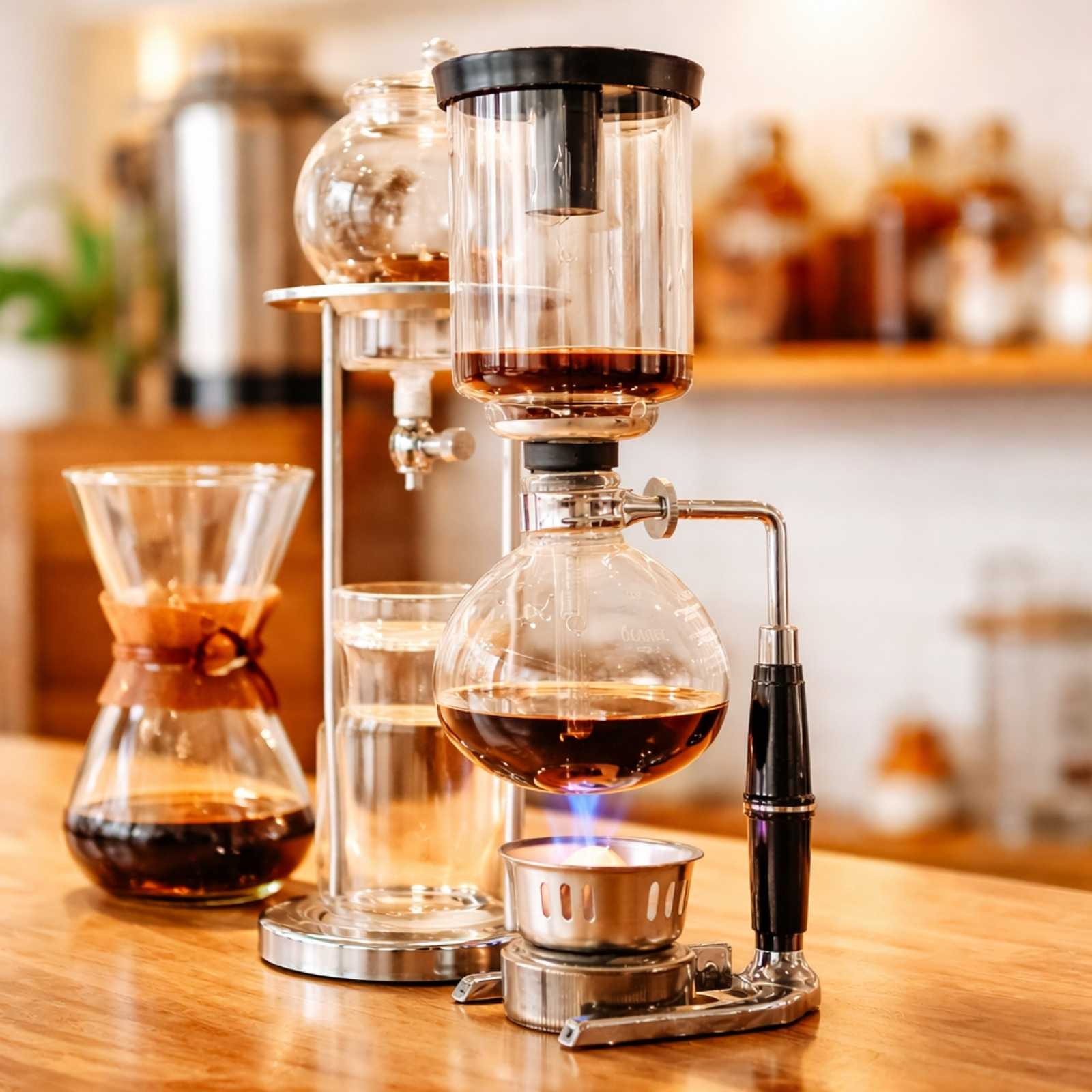
Siphon Brewing Guide: How to Brew a Clean, Aromatic Cup
Siphon brewing produces an exceptionally clean, aromatic cup when grind size, heat, and timing are carefully controlled.
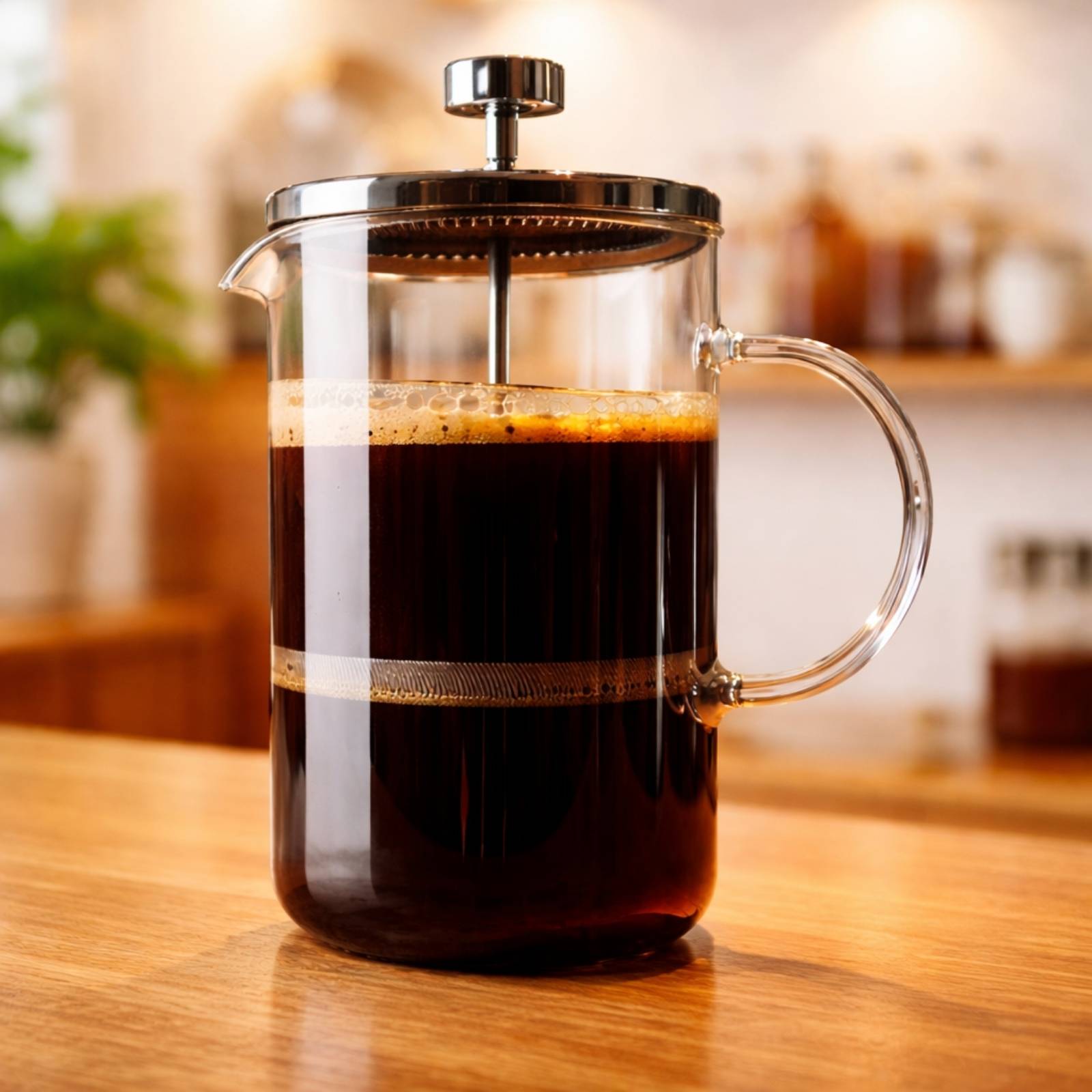
French Press Brewing Guide: How to Brew a Bold, Full-Bodied Cup
French Press brewing produces a bold, full-bodied cup when grind size, steep time, and pressing technique are properly controlled.
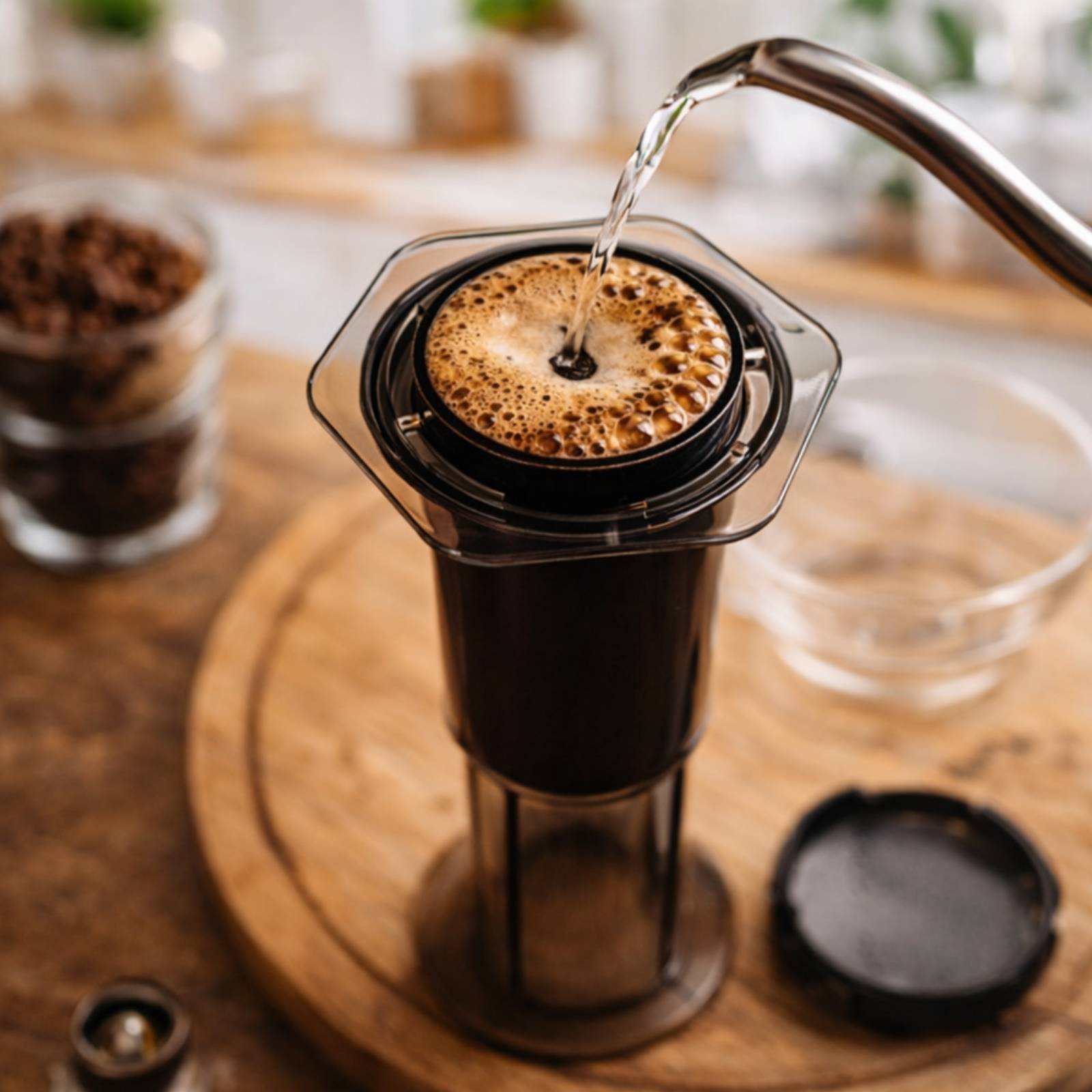
AeroPress Brewing Guide: How to Brew a Clean, Balanced Cup
The AeroPress is a versatile brewing method that produces a smooth, balanced cup when grind size, ratio, and pressing technique are dialed in correctly.
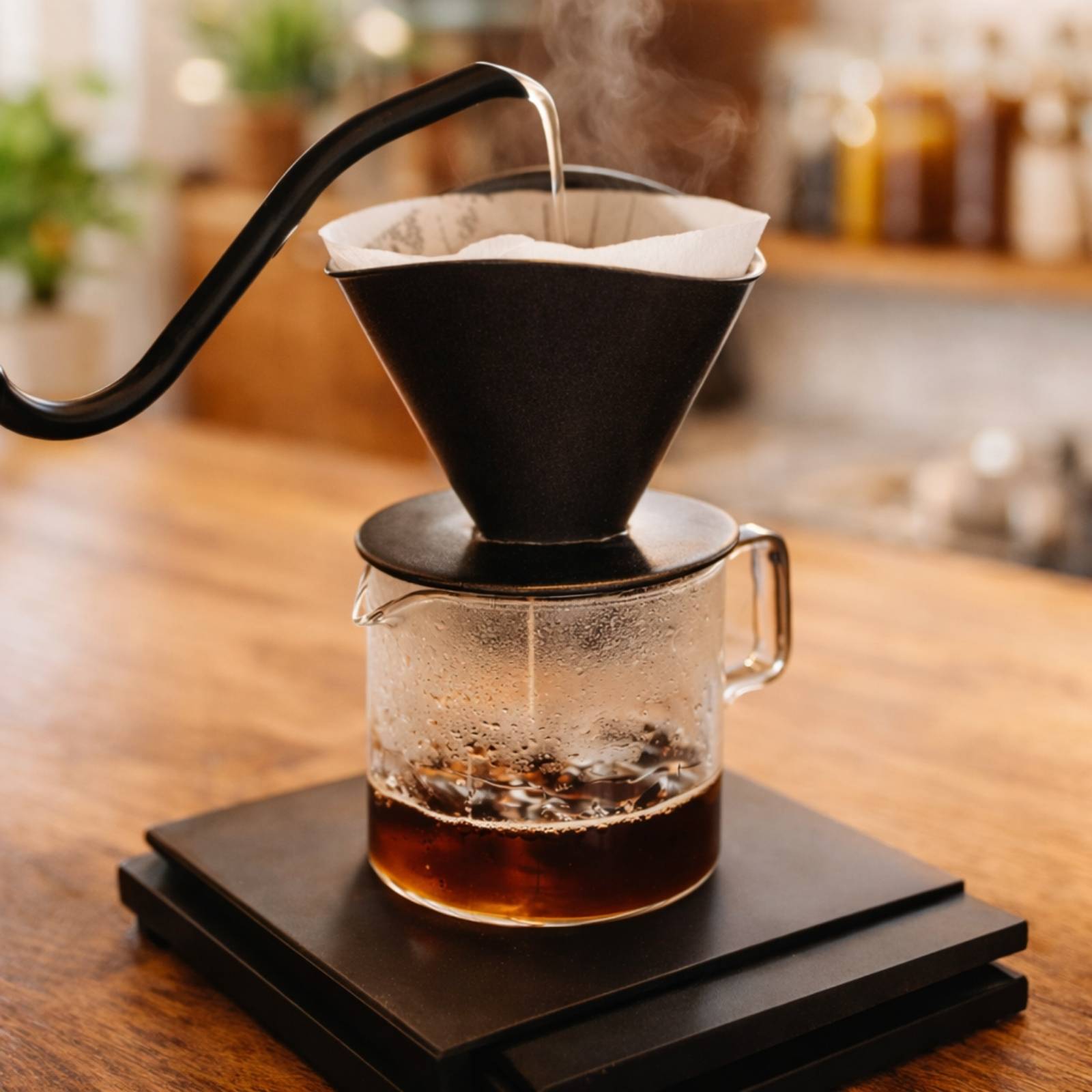
Hario V60 Brewing Guide: How to Brew a Clean, Bright Cup
Learn how to brew coffee with a Hario V60 using the correct grind size, ratios, and pouring technique to achieve a clean, bright, and expressive cup.
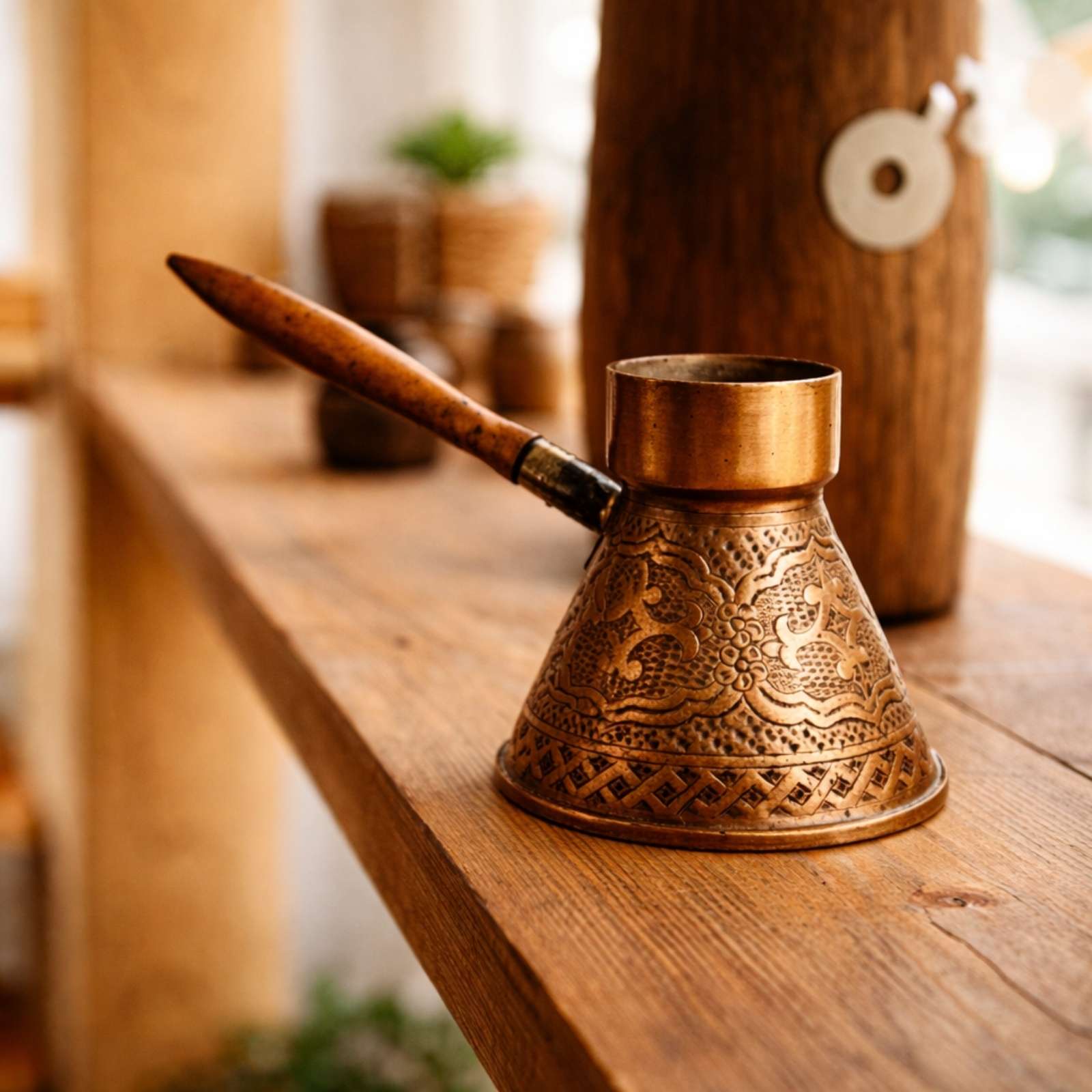
Ibrik (Cezve) Brewing Guide: How to Brew a Rich, Velvety Cup
Ibrik brewing produces an intensely rich, velvety coffee when grind size, heat, and timing are carefully controlled.
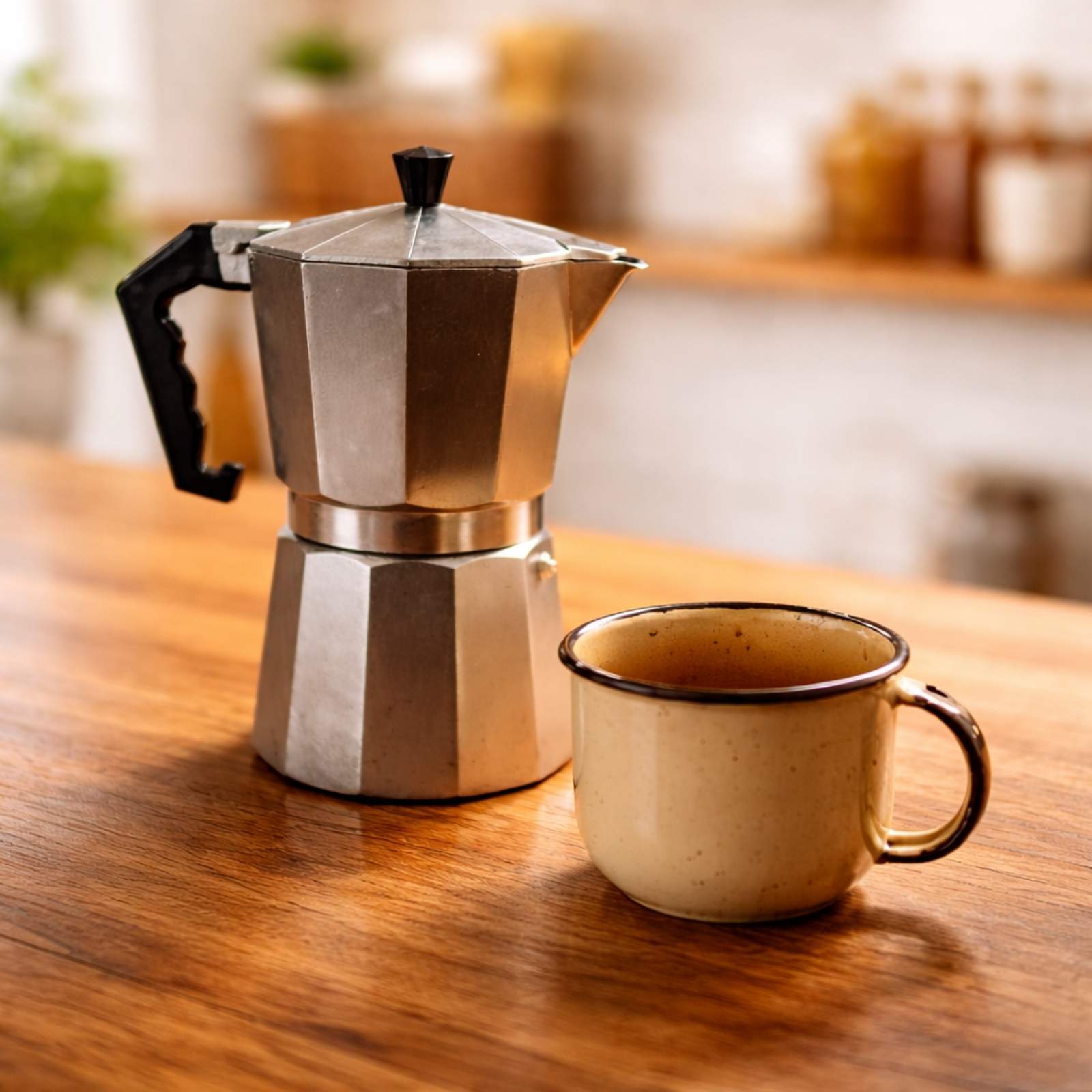
Percolator Brewing Guide: How to Brew a Strong, Traditional Cup
Percolator brewing produces a strong, traditional cup when grind size, heat, and brew time are carefully controlled.
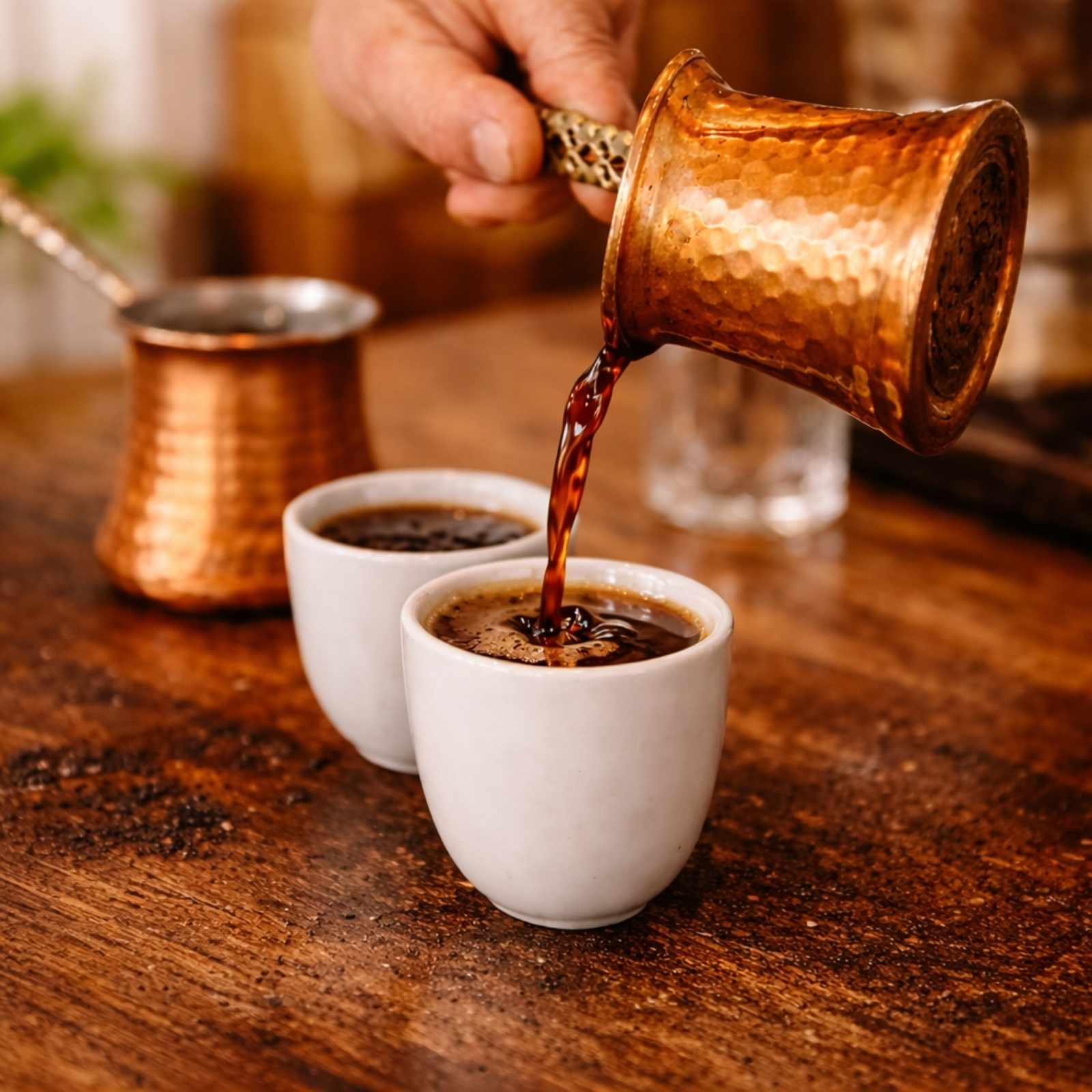
Turkish Coffee Brewing Guide: How to Brew a Rich, Concentrated Cup
Turkish coffee produces a deeply concentrated, aromatic cup when grind size, heat, and timing are carefully controlled.
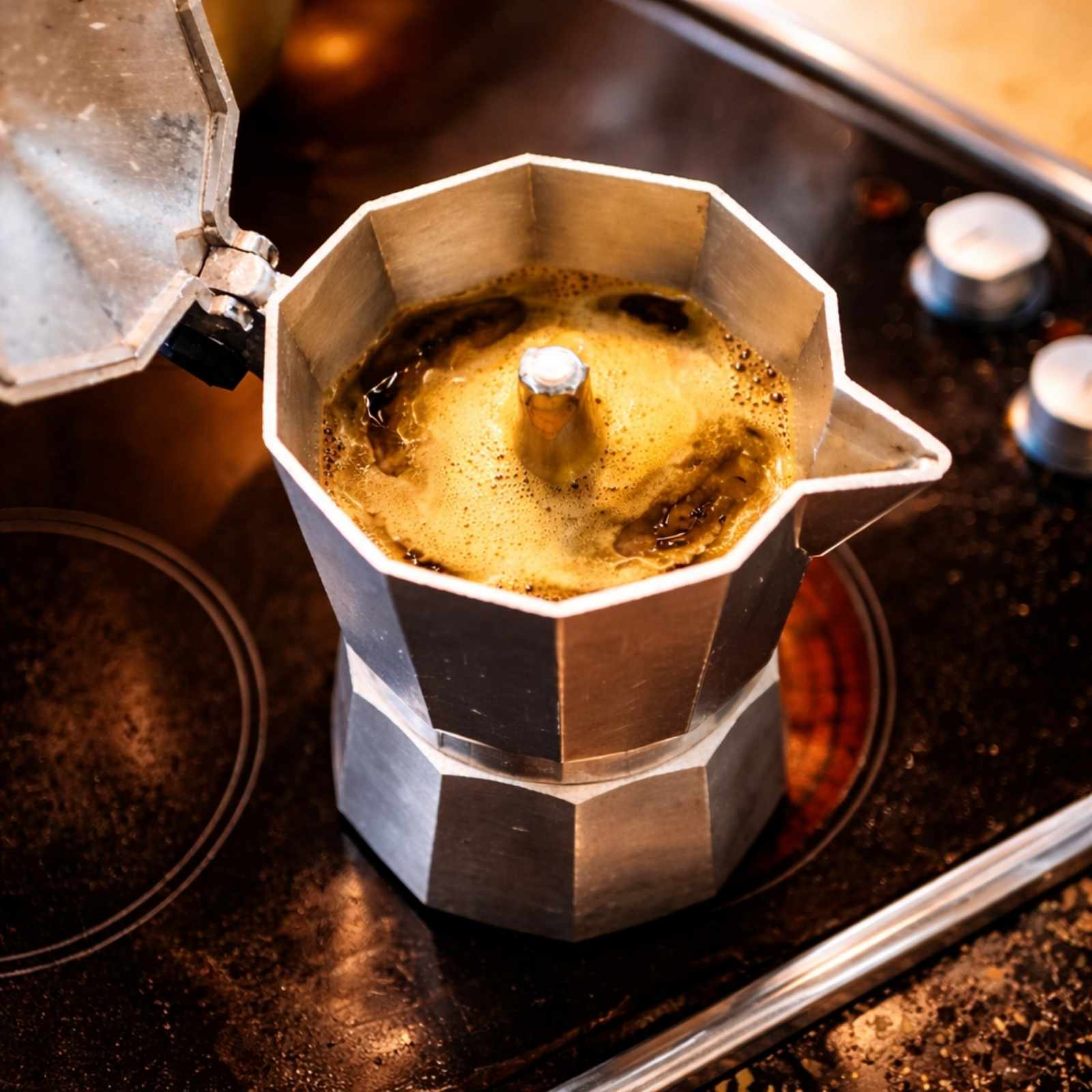
Moka Pot Brewing Guide: How to Brew a Strong, Intense Cup
The Moka Pot produces a strong, espresso-like cup when grind size, heat, and timing are carefully controlled.
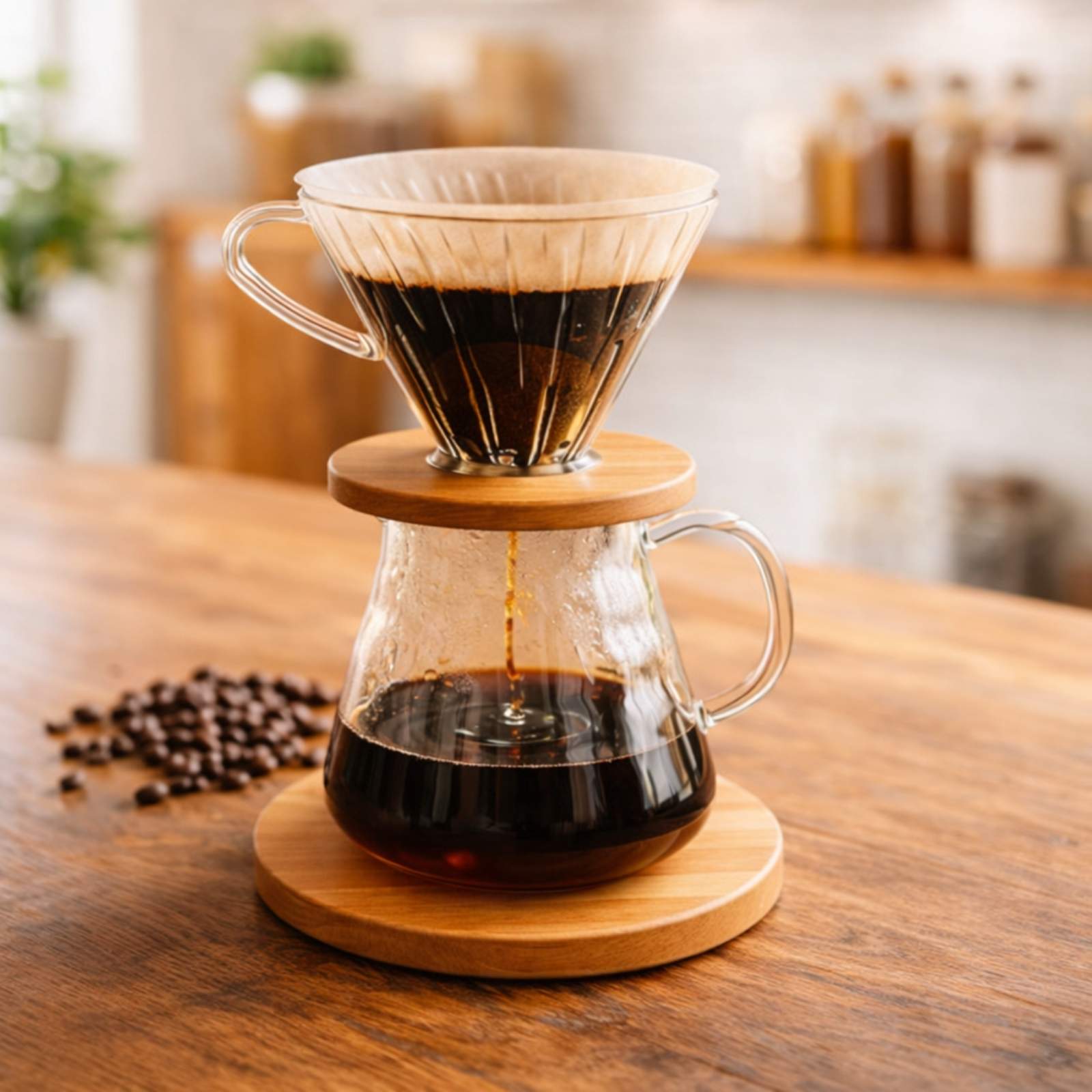
Kalita Wave Brewing Guide: How to Brew a Balanced, Even Cup
The Kalita Wave produces a balanced, sweet cup with consistent extraction when grind size and pouring technique are properly controlled.
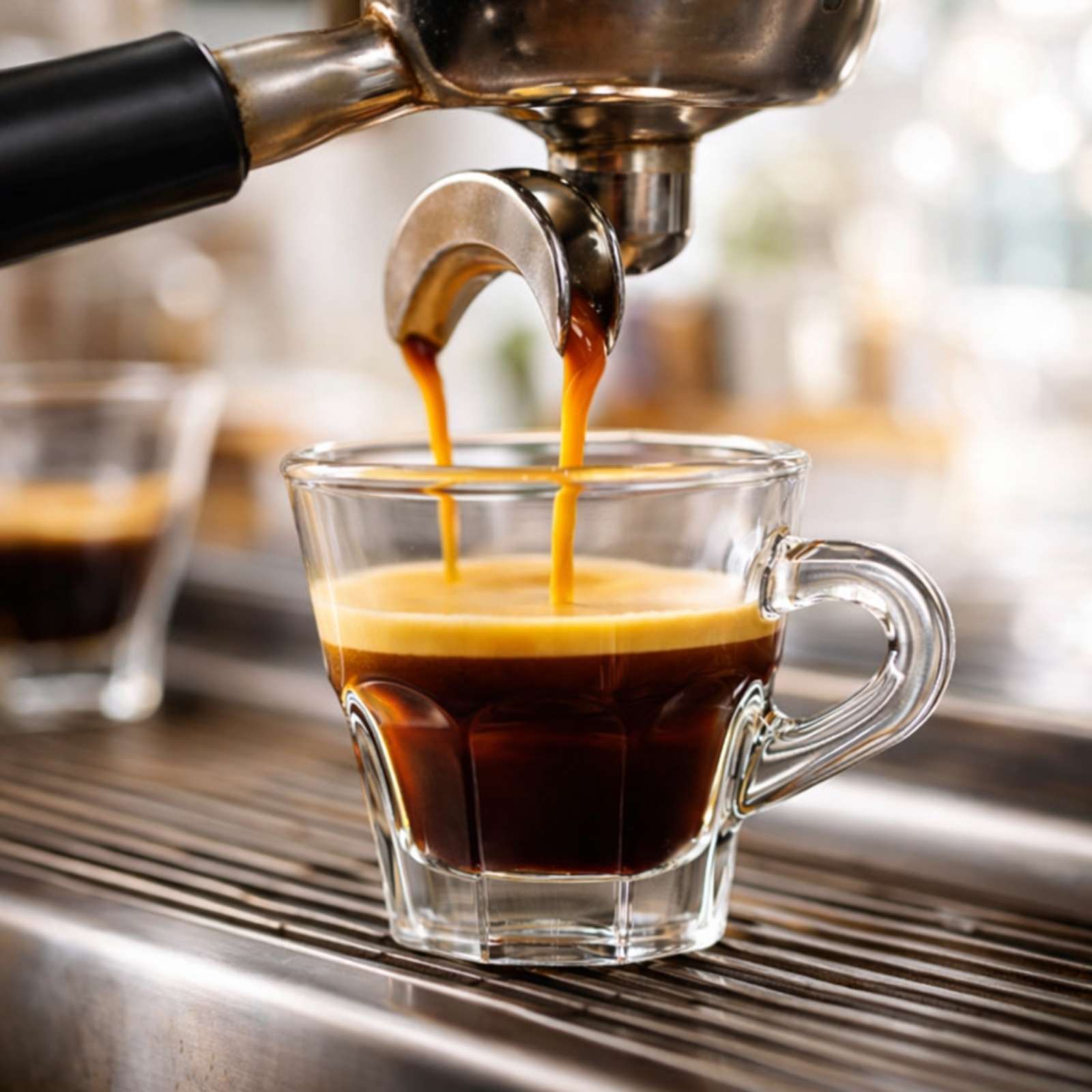
Espresso Brewing Guide: How to Pull a Balanced, Concentrated Shot
Espresso is a high-pressure brewing method that produces a concentrated, layered cup when grind size, dose, and timing are properly dialed in.
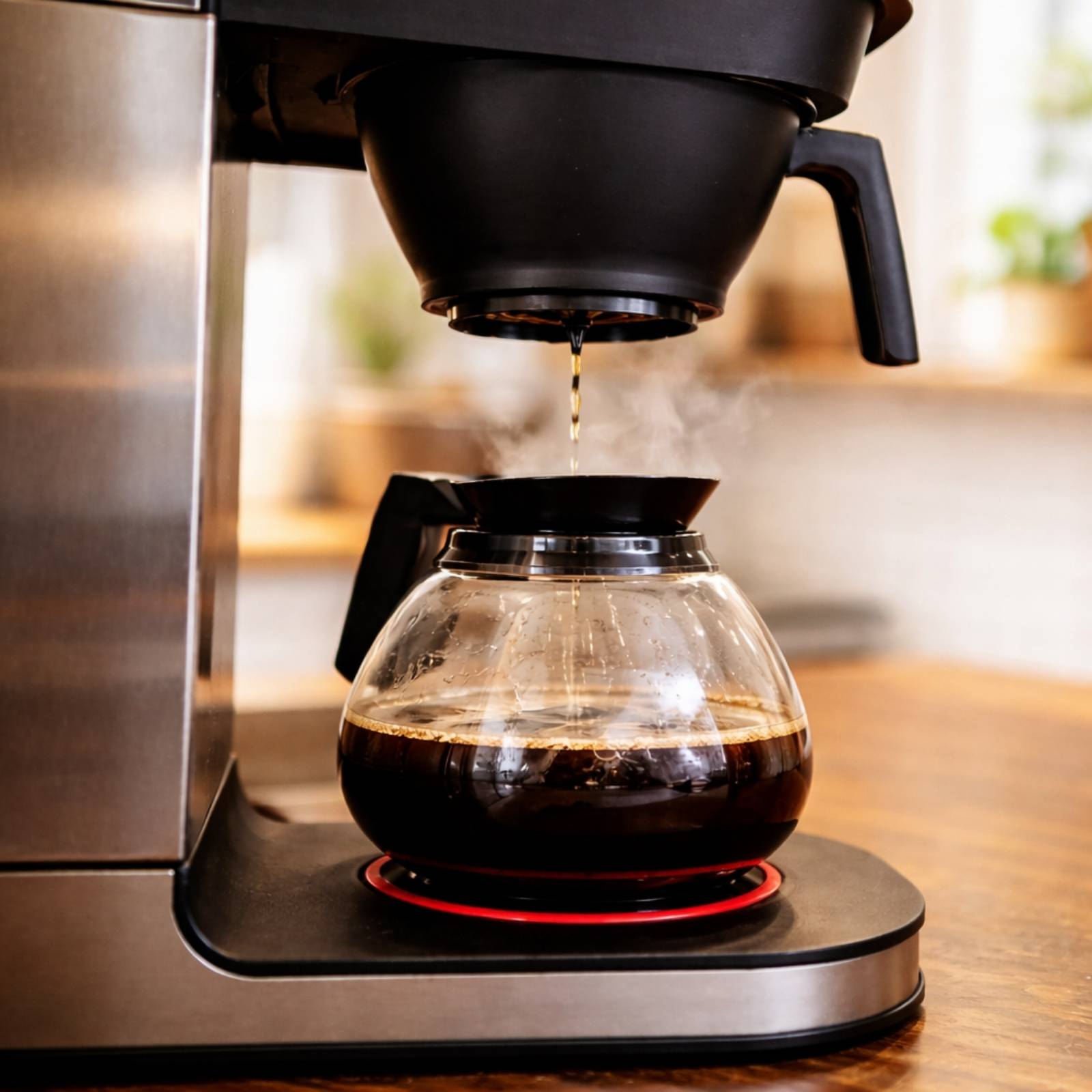
Auto Drip Brewing Guide: How to Brew a Clean, Consistent Cup
Auto Drip can produce a clean, balanced cup when grind size, ratio, and brew fundamentals are properly dialed in.
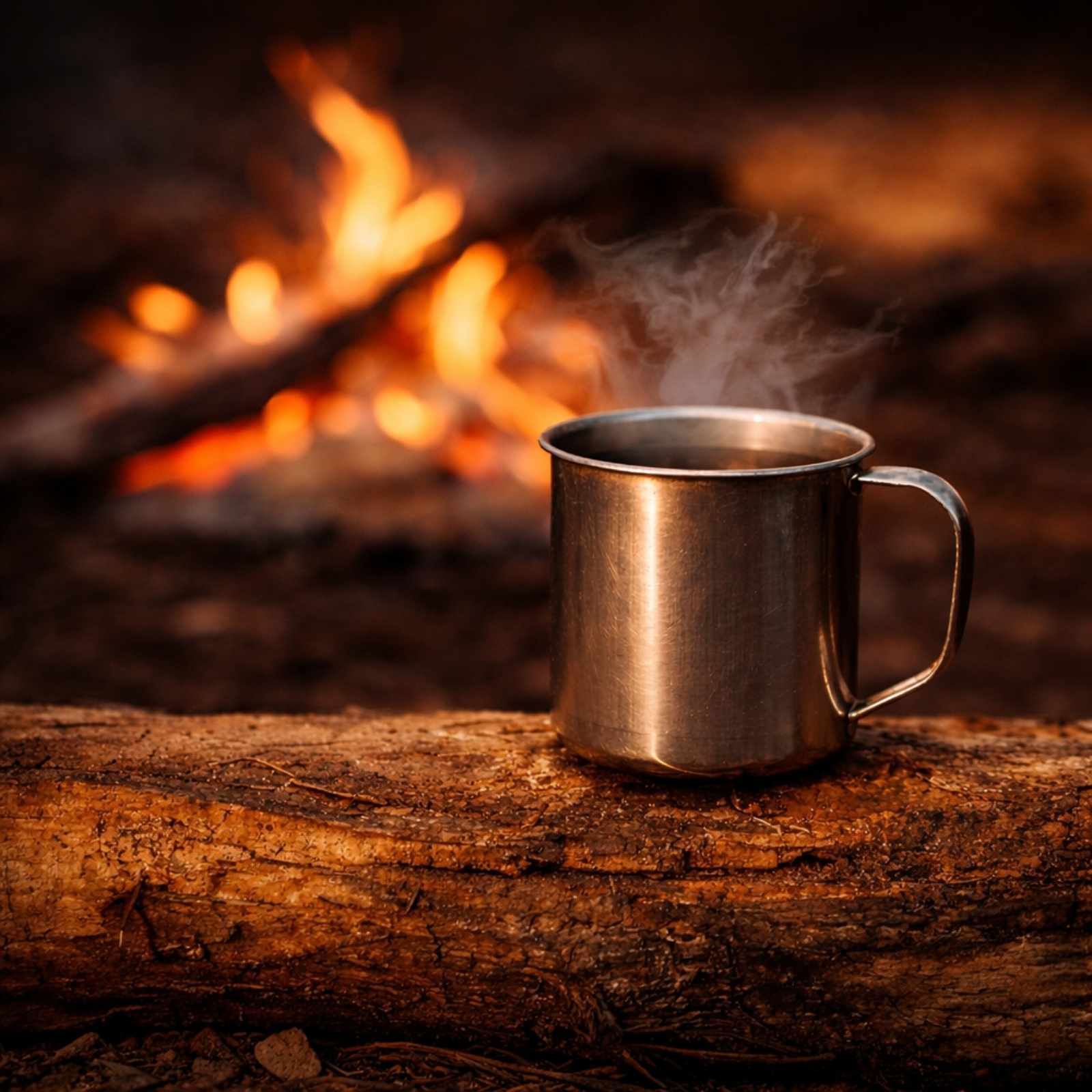
Cowboy Coffee Brewing Guide: How to Brew a Bold, Rustic Cup
Cowboy Coffee is a simple, unfiltered brewing method that produces a bold, full-bodied cup when grind size and steep time are properly controlled.

Cold Brew Brewing Guide: How to Brew a Smooth, Low-Acid Cup
Learn how to brew cold brew coffee using the correct grind size, ratios, and steep time for a smooth, sweet, low-acid cup with rich flavor.
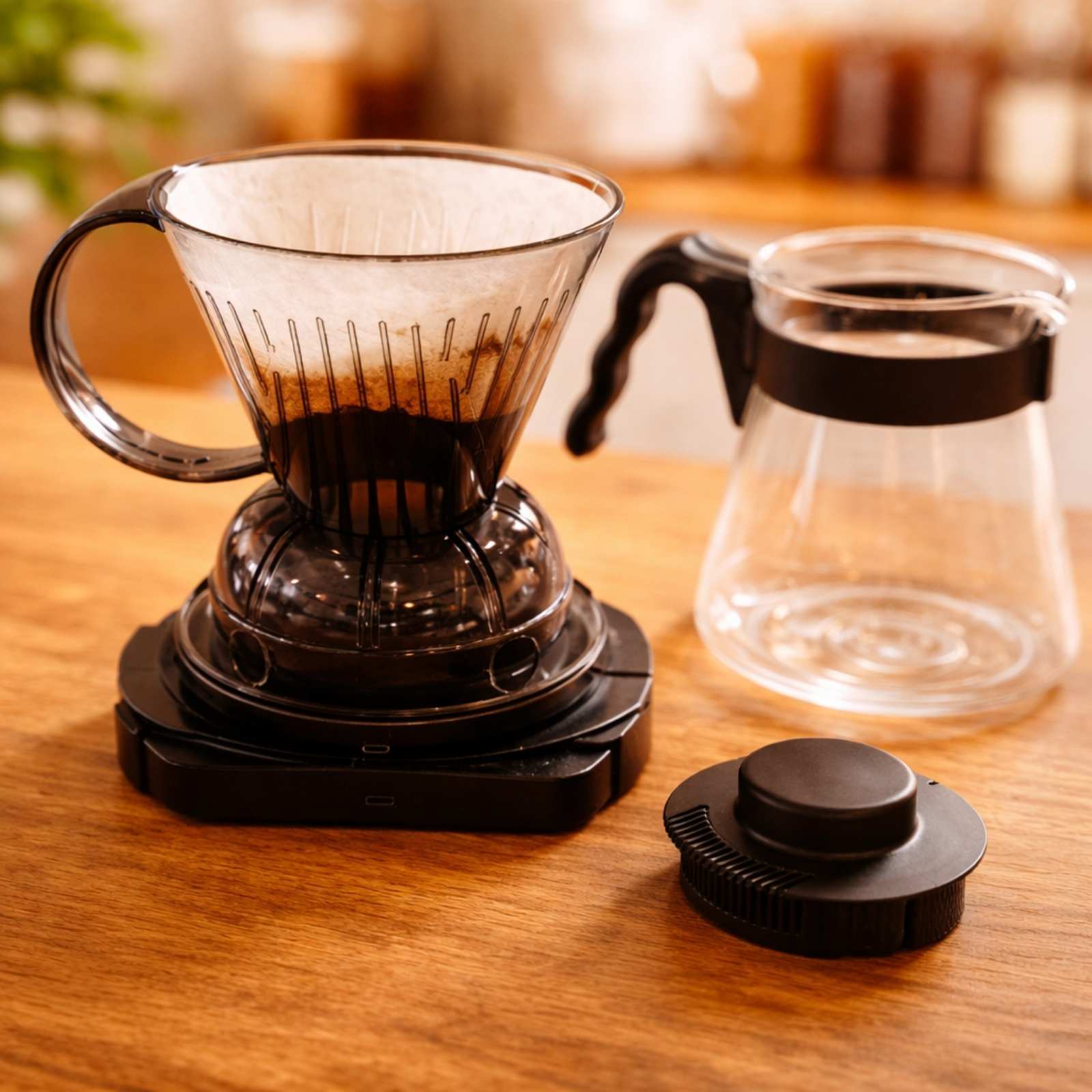
Clever Dripper Brewing Guide: How to Brew a Balanced, Full Cup
The Clever Dripper combines immersion and filtration to produce a balanced, sweet cup with more body than pour-over and greater clarity than French Press.
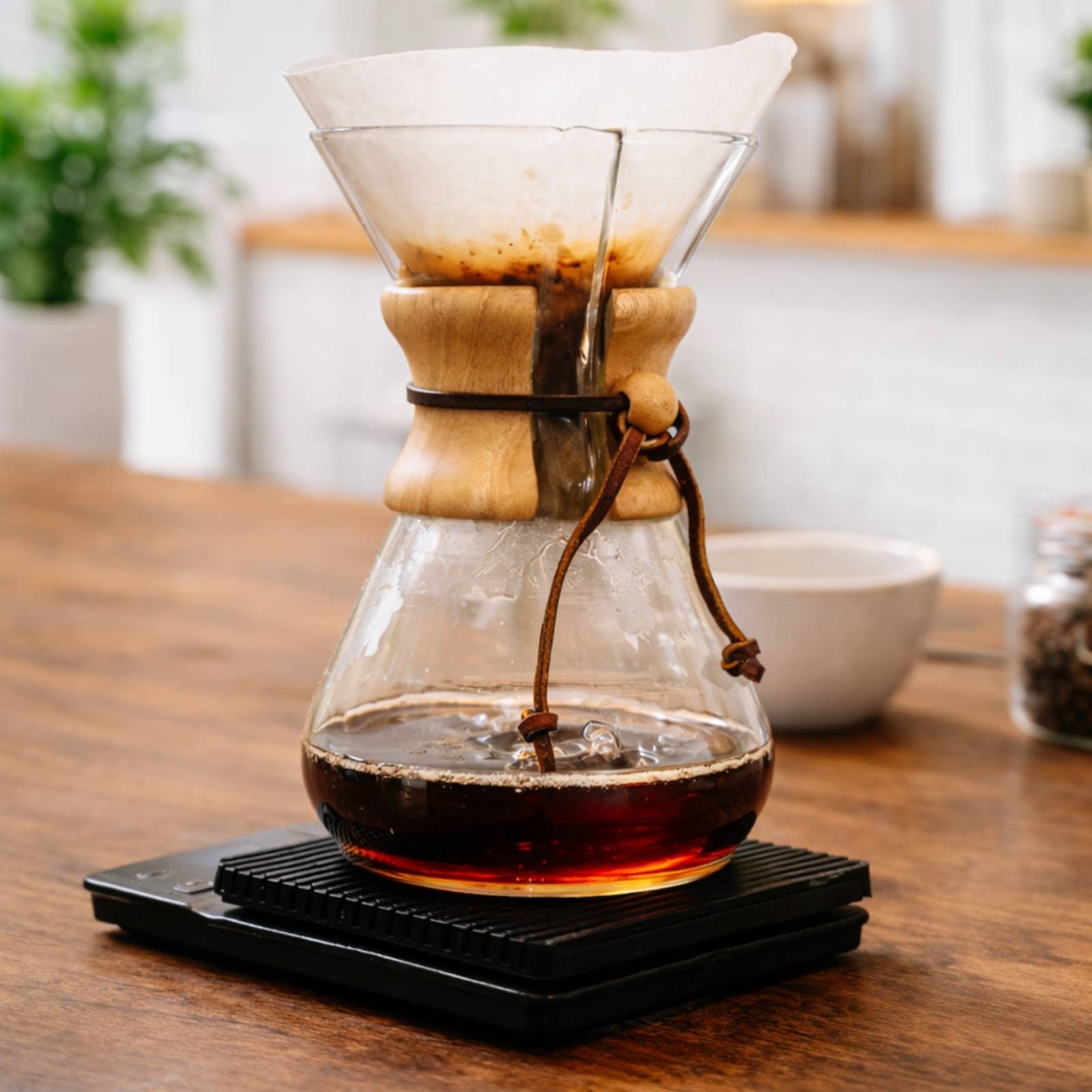
Chemex Brewing Guide: How to Brew a Clean, Bright Cup
The Chemex is a pour-over brewer that produces an exceptionally clean, bright cup when grind size, ratio, and pouring technique are dialed in correctly.
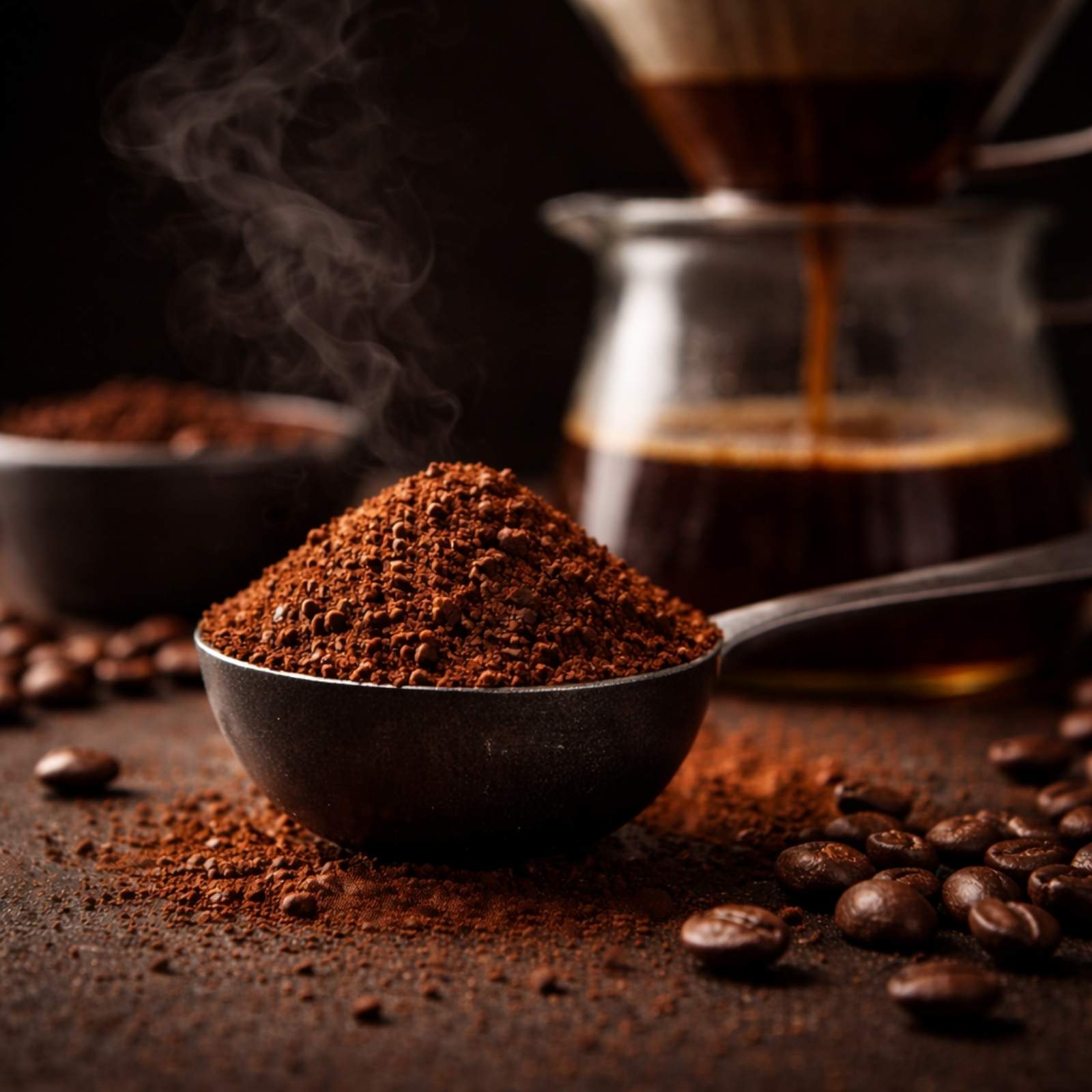
Why Your Coffee Tastes Bitter (And It’s Not the Beans)
If your coffee tastes bitter, the problem isn’t the beans. Learn how extraction, grind size, and brewing technique create bitterness—and how to correct it.

Under-Extracted vs Over-Extracted Coffee: How to Tell the Difference
Under-extracted coffee tastes sour and thin, while over-extracted coffee tastes bitter and dry—understanding the difference is key to brewing balanced, flavorful coffee.
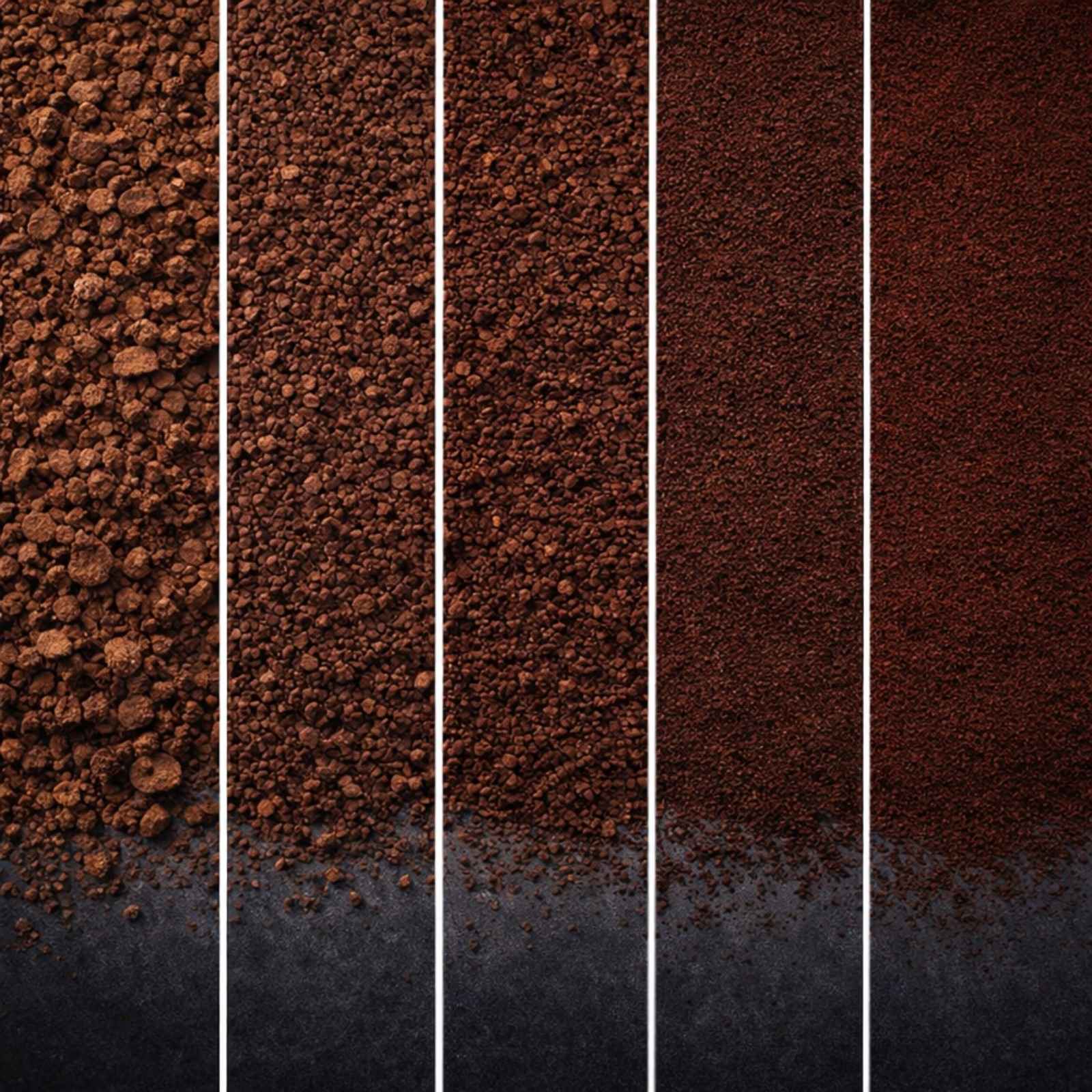
Why Grind Size Matters More Than Brewing Method
Grind size determines extraction speed and balance, making it more important to flavor than the brewing method itself.
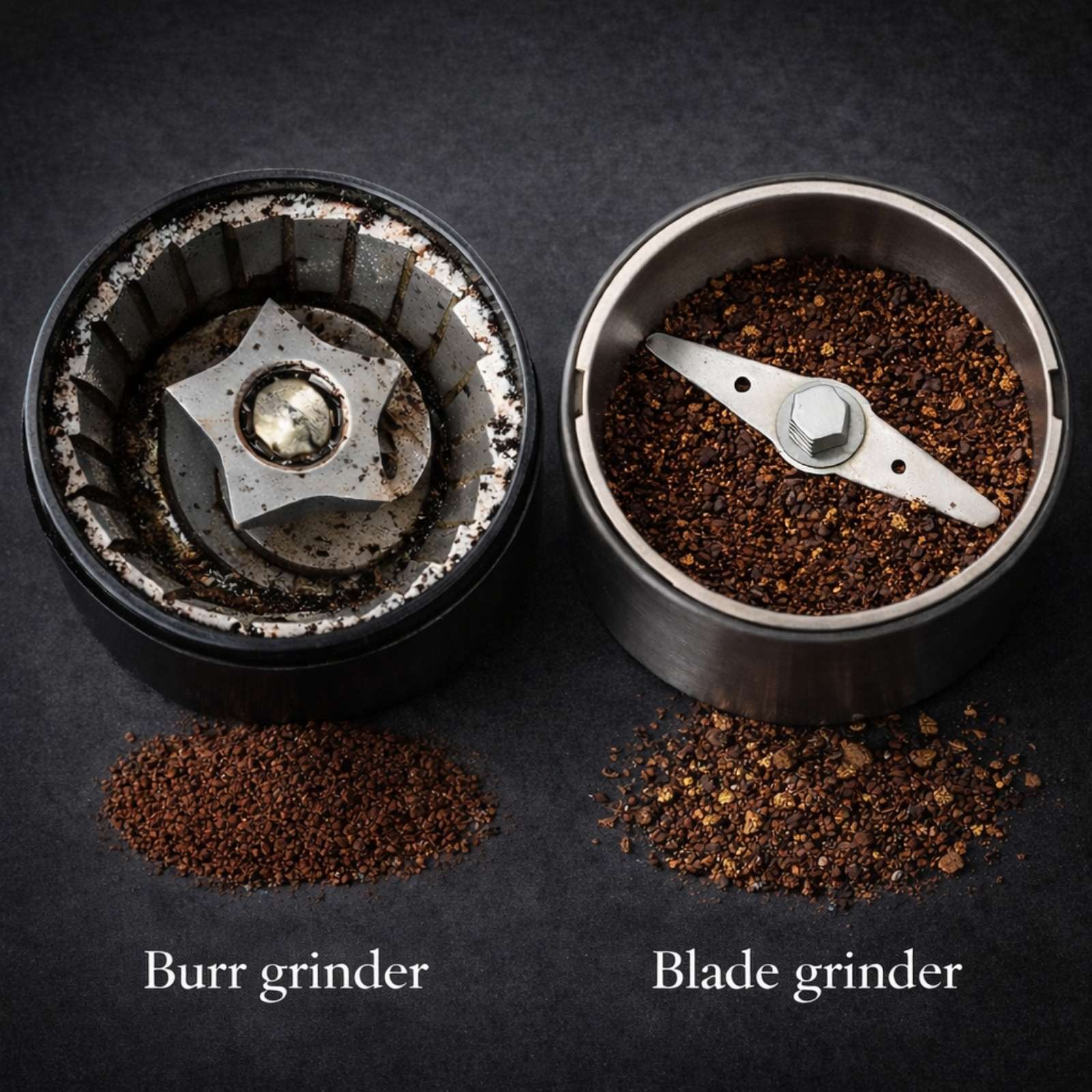
Blade vs Burr Grinders: Why Consistency Matters More Than Price
Grind consistency determines extraction, flavor balance, and clarity—making burr grinders far more important than price or brand when brewing better coffee.
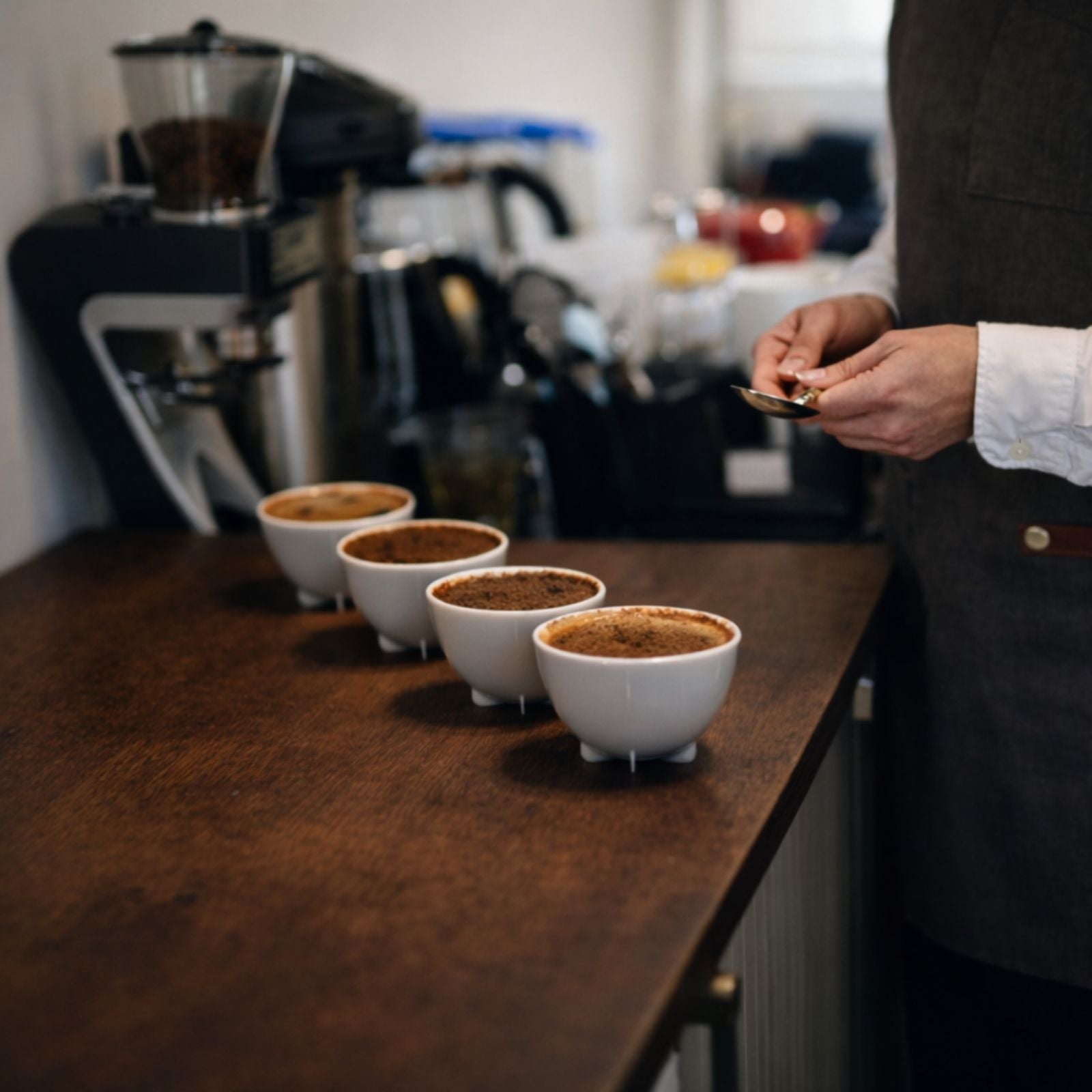
How to Taste Coffee Properly (Without Being a Professional Cupping Judge)
Tasting coffee properly is about noticing balance, structure, and change—not memorizing flavor notes or using professional cupping techniques.