Peru Coffee: History, Regions, Varietals, Processing Methods, and Flavor Profiles

Coffee from Peru is shaped by the Andes Mountains, diverse microclimates, and a production system dominated by smallholder farmers. Peru is widely recognized for clean, balanced coffees with gentle acidity and sweetness, often grown at high elevations under shade. While long associated with cooperative exports and organic production, Peru has steadily expanded its specialty presence through improved processing, varietal diversification, and regional differentiation.
History of Coffee in Peru
Coffee was introduced to Peru in the 18th century and expanded through the 19th and early 20th centuries as cultivation spread along the Andean slopes. Much of Peru’s coffee developed through smallholder farming and cooperative structures, which helped aggregate production from remote areas and support export logistics.
In recent decades, increased attention to quality control, traceability, and specialty market access has elevated Peru’s standing. Investments in wet mills, fermentation management, and regional identity have allowed Peruvian coffees to move beyond commodity channels and gain recognition for clarity and origin expression.
Geography & Coffee-Growing Landscape
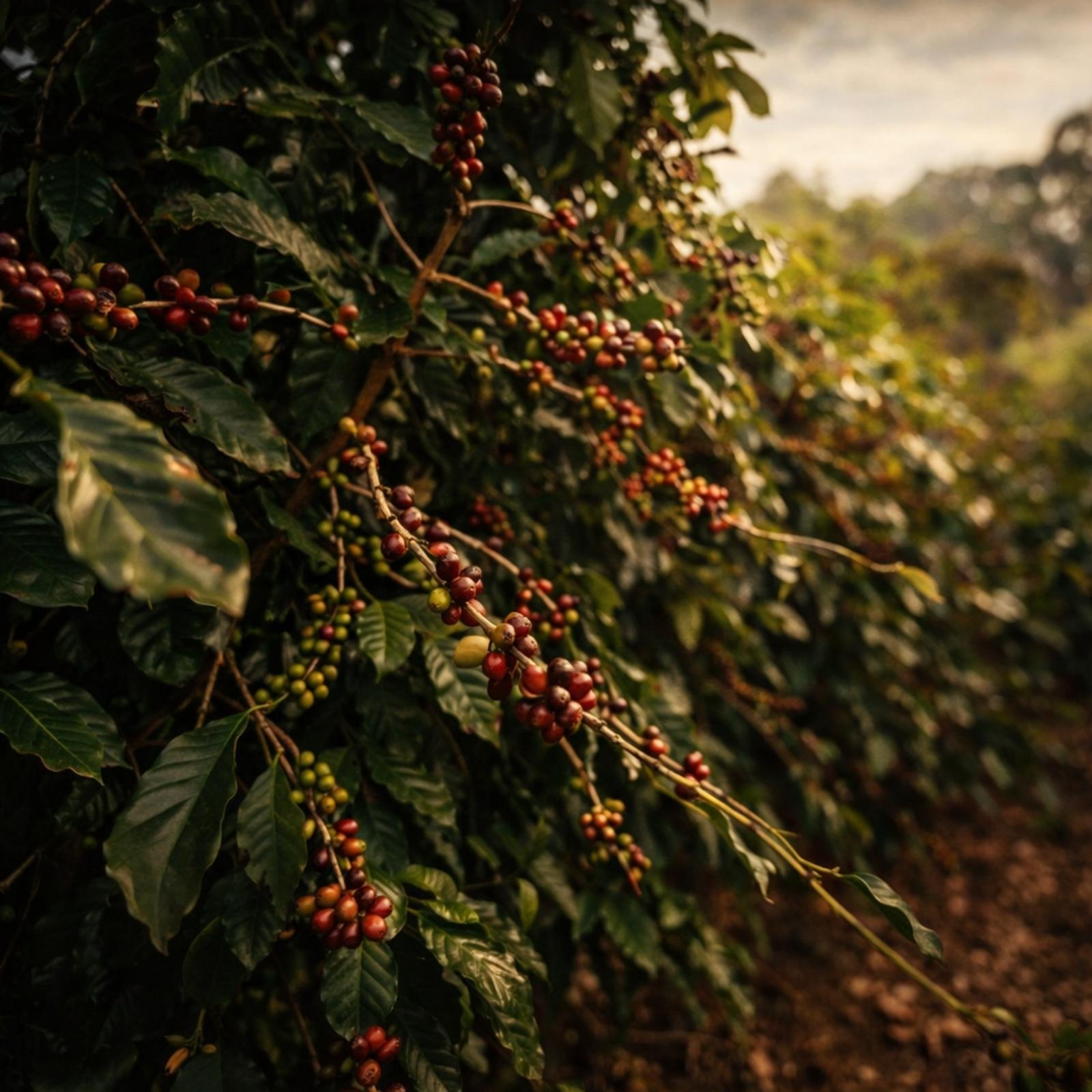
Peru’s coffee-growing regions extend along the eastern slopes of the Andes, where steep terrain, high elevations, and cloud-forest conditions prevail. Farms are often small and remote, benefiting from shade trees, rich organic matter, and cool temperatures.
Consistent rainfall, pronounced day–night temperature variation, and elevations frequently exceeding those of neighboring origins slow cherry maturation, supporting sugar development and clean acidity. These conditions favor washed processing and nuanced cup profiles.
Major Coffee-Growing Regions
Peru recognizes several key coffee regions, each with distinct environmental conditions and cup characteristics.
Cajamarca
Located in northern Peru at high elevations, Cajamarca produces clean, structured coffees with bright acidity, sweetness, and citrus or floral notes.
Amazonas
Known for high-altitude farms and biodiverse environments, Amazonas coffees often display clarity, sweetness, and refined acidity with gentle fruit character.
San Martín
A major producing region transitioning toward higher-quality production, San Martín coffees tend to show balanced profiles with mild acidity and chocolate or nut notes.
Junín
One of Peru’s largest coffee regions, Junín produces a wide range of profiles, from approachable and chocolate-forward to brighter, specialty-oriented lots.
Cusco
High-elevation farms near the southern Andes produce coffees with pronounced acidity, floral aromatics, and refined sweetness.
Puno
Among the highest coffee-growing areas in Peru, Puno coffees often exhibit crisp acidity, lighter body, and delicate flavor expression.
Elevation & Growing Conditions
Peruvian coffee is commonly grown between approximately 1,200 and 2,100 meters above sea level, with some farms reaching even higher elevations. Elevation strongly influences bean density, acidity structure, and aromatic clarity.
Higher elevations generally yield brighter acidity and cleaner profiles, while slightly lower elevations contribute rounder body and softer sweetness.
Coffee Varietals Grown in Peru
Peru cultivates a broad range of coffee varietals, combining traditional cultivars with modern hybrids and emerging specialty selections.
Traditional & Historically Established Varietals
Typica, Bourbon, Caturra, Catuai, Pacas, Pache, and Maragogipe form the traditional foundation of Peruvian coffee. These varietals are valued for balance, sweetness, and clarity, particularly under high-elevation conditions.
Modern & Hybrid Varietals
Catimor, Sarchimor-derived lines, and other rust-resistant hybrids are widely planted to improve resilience and farm stability while maintaining acceptable cup quality.
Heritage, Exotic & Specialty Varietals
Gesha (Geisha), SL28, SL34, Pacamara, and limited experimental plantings are grown by specialty-focused producers seeking greater aromatic complexity and distinctive profiles.
Processing Methods Used
Peru employs a wide range of coffee processing methods, with increasing experimentation in specialty contexts.
Washed / Fully Washed
The dominant method, emphasizing clarity, structure, and transparent expression of region and varietal.
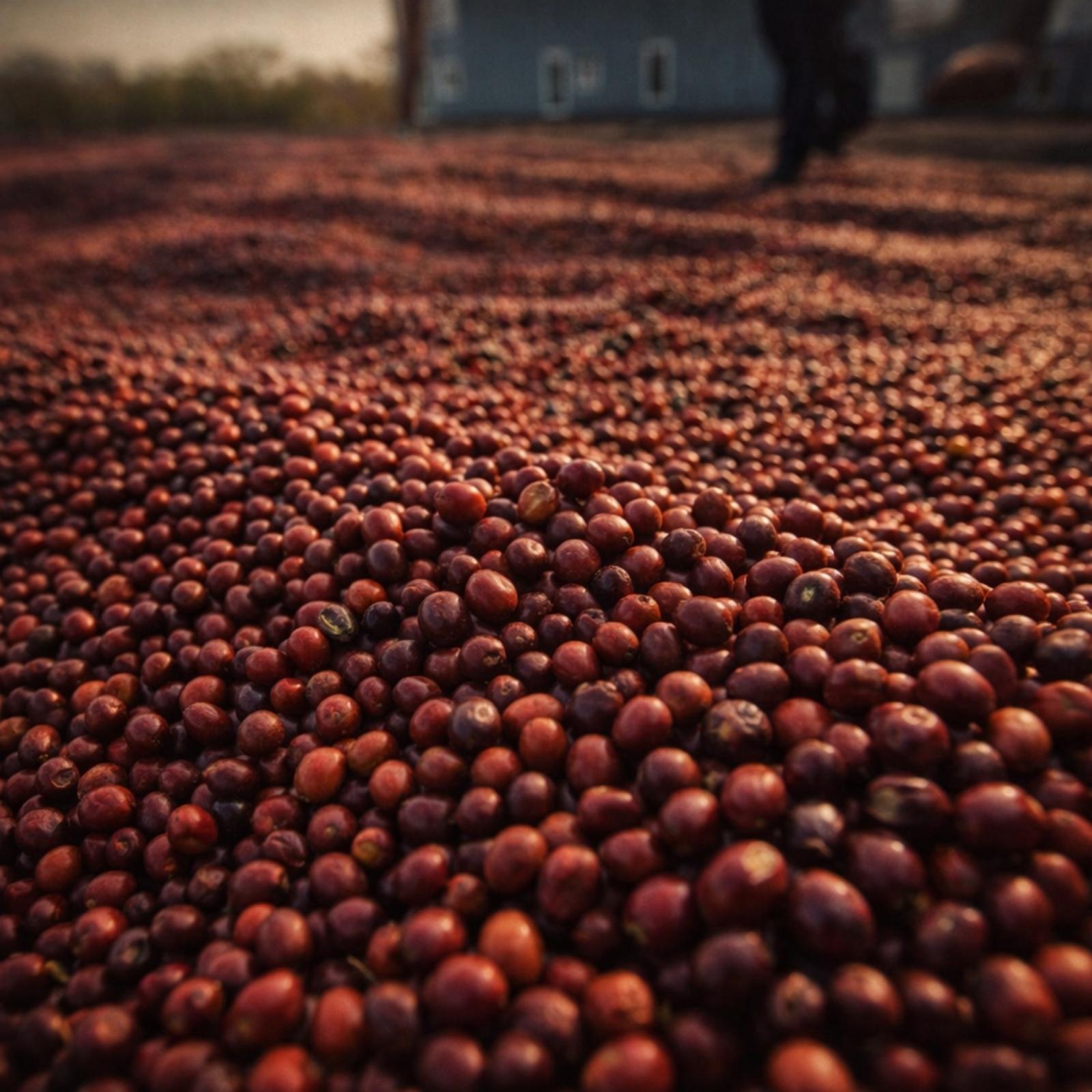
Natural / Dry Process
Used selectively, producing fruit-forward coffees with increased sweetness and heavier body.
Honey Processing
Including yellow, red, and black honey styles, retaining varying amounts of mucilage to enhance sweetness and mouthfeel.
Anaerobic Fermentation
Oxygen-limited fermentation used by specialty producers to intensify aromatics and complexity.
Extended & Controlled Fermentation
Lengthened or temperature-managed fermentations designed to shape acidity, sweetness, and texture.
Carbonic Maceration & Sealed Fermentation Techniques
Sealed fermentation methods adapted from winemaking, producing distinctive and highly aromatic profiles.
Co-Fermentation
Experimental fermentations incorporating fruits or botanicals, used in limited specialty or competition-focused lots.
Flavor Profiles & Cup Characteristics
Peruvian coffees are best known for cleanliness, balance, and approachability. Common characteristics include mild to bright acidity, refined sweetness, light to medium body, and a clean finish.
Flavor notes often include citrus, apple, stone fruit, caramel, chocolate, honey, and subtle floral elements, with variation driven by region, elevation, varietal, and processing method.
Harvest Seasons & Coffee Availability
Peru follows a single primary harvest cycle, generally running from April through September, with timing varying by latitude and elevation. Higher-altitude regions harvest later in the season.
Quality Standards & Classification Systems
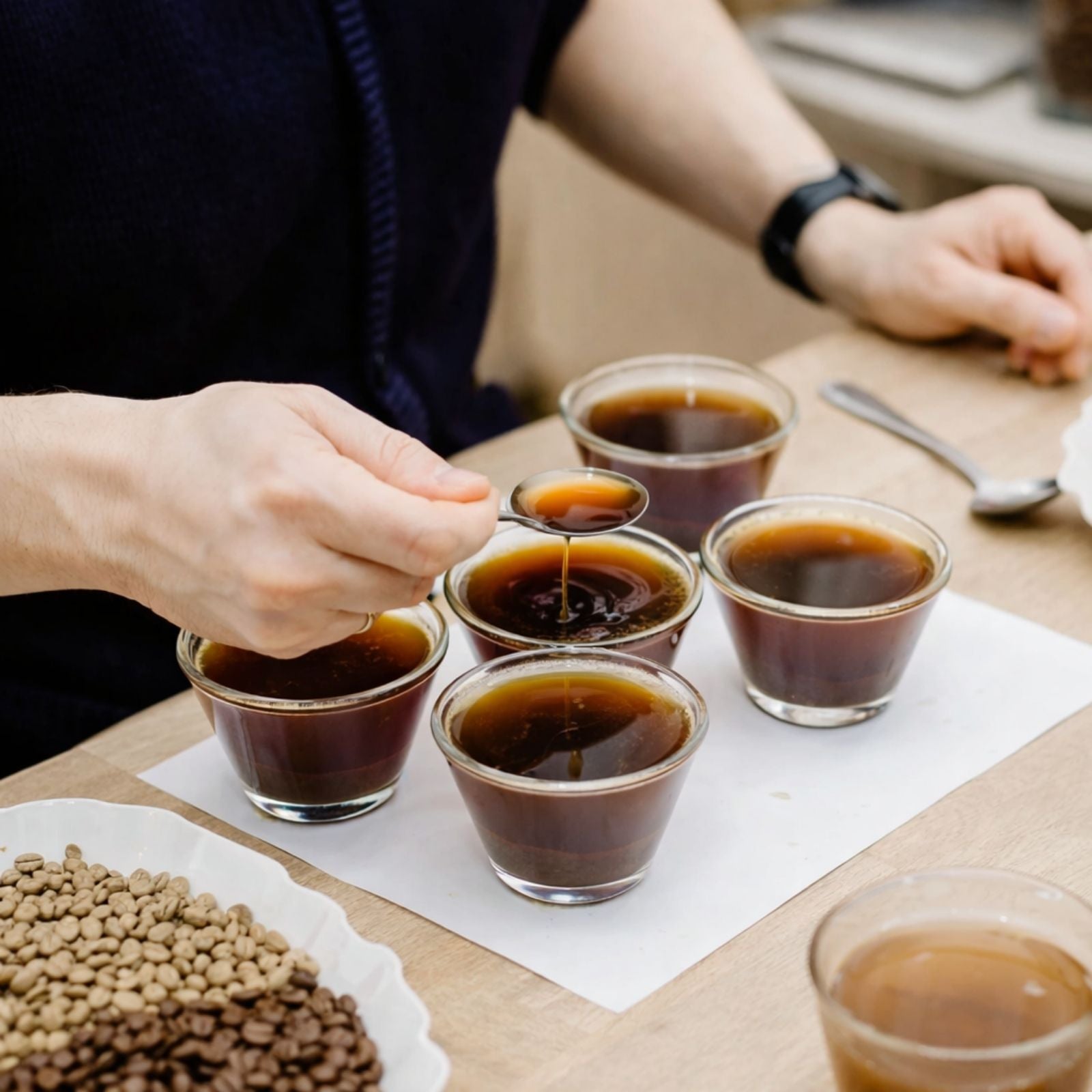
Coffee quality in Peru is evaluated through physical grading and sensory assessment. Specialty coffees typically score 80 points and above, with higher-scoring micro-lots increasingly common as processing and farm management improve.
Sustainability, Farming Structure & Challenges
Peruvian coffee production is predominantly smallholder-based, often in remote mountainous areas. Challenges include infrastructure limitations, climate variability, and access to specialty markets. Cooperative systems, organic practices, and quality premiums play a central role in long-term sustainability.
Why Peruvian Coffee Stands Out
Peru stands out for its combination of high elevations, clean washed profiles, and strong cooperative infrastructure. Its coffees often emphasize clarity and balance over intensity, making them versatile across brewing methods and appealing to a wide range of palates.
Conclusion
Peruvian coffee reflects the influence of altitude, biodiversity, and careful processing across the Andes. From classic washed profiles to emerging specialty and experimental lots, Peru continues to strengthen its position as a source of clean, expressive coffees with increasing recognition in the global specialty market.
To examine one of the most influential specialty origins known for varietal distinction and precision processing, continue to Panamanian coffee.