Ethiopia Coffee: History, Regions, Varietals, Processing Methods, and Flavor Profiles
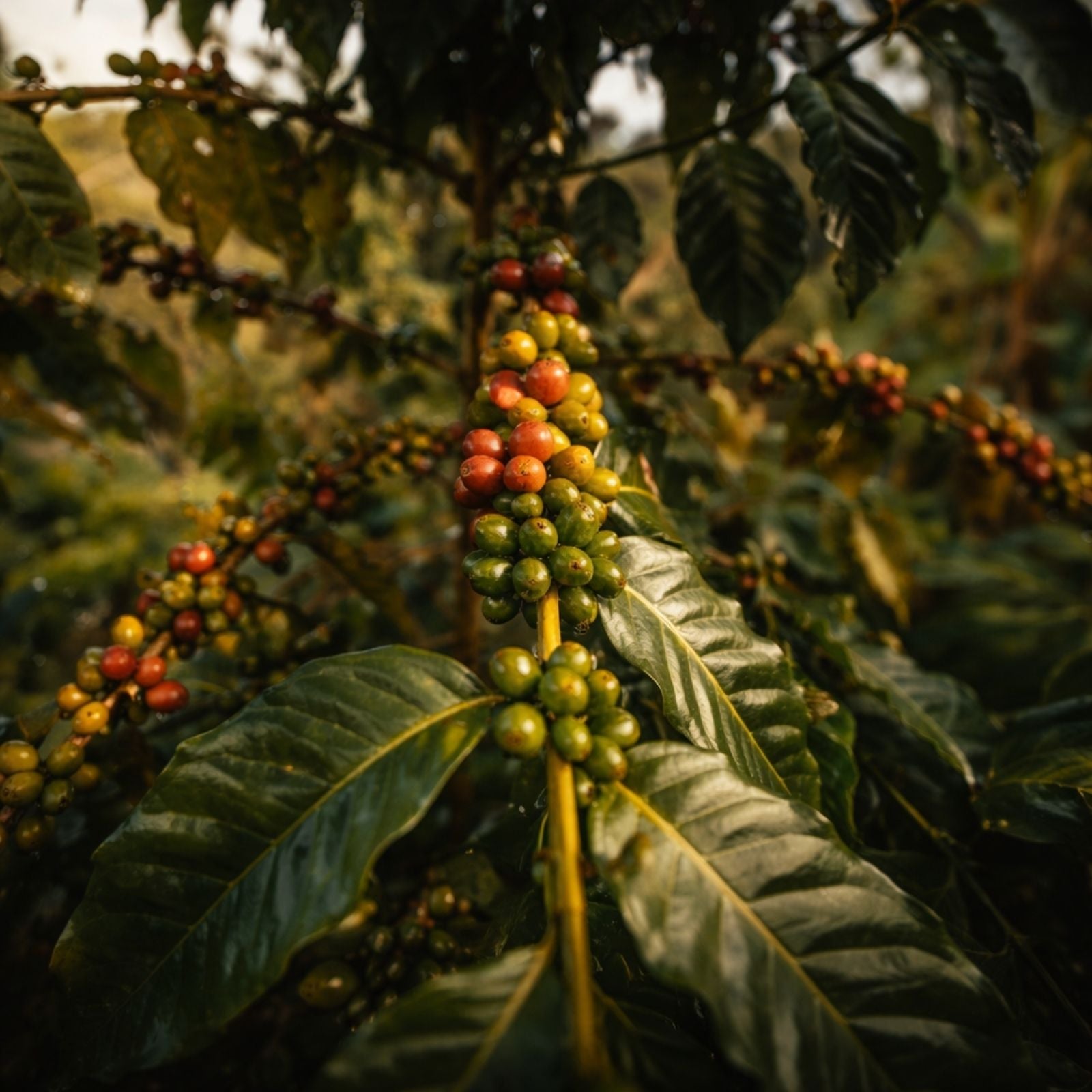
Coffee from Ethiopia is widely regarded as the birthplace of coffee and one of the most genetically diverse coffee origins in the world. Ethiopia’s coffee culture is defined by wild forest coffee, immense varietal diversity, high-elevation growing conditions, and traditional as well as highly refined processing practices. Ethiopian coffees are known for aromatic intensity, clarity, and complexity, with profiles ranging from floral and tea-like to fruit-driven and winey.
History of Coffee in Ethiopia
Ethiopia is considered the origin of Coffea arabica, with coffee growing both wild and cultivated across large areas of the country. Coffee has been part of Ethiopian culture for centuries, deeply embedded in social rituals and daily life.
Unlike many producing countries where coffee was introduced through colonial trade, Ethiopia’s coffee culture developed indigenously. Over time, coffee cultivation expanded from forest and semi-forest systems to garden and smallholder farming. Ethiopia remains unique in maintaining a mix of wild, semi-wild, and cultivated coffee production, preserving extraordinary genetic diversity.
Geography & Coffee-Growing Landscape
Ethiopia’s coffee-growing regions span highland plateaus, forested mountains, and fertile valleys. Coffee is primarily grown at high elevations, often under shade, with diverse microclimates shaped by altitude, rainfall patterns, and soil composition.
Cool temperatures, significant day–night temperature variation, and long maturation periods contribute to dense beans and high aromatic potential. Many coffees are produced in biodiverse environments, supporting complex flavor development.
Major Coffee-Growing Regions
Ethiopia’s coffee regions are often associated with distinct sensory profiles shaped by altitude, climate, and processing tradition.
Yirgacheffe
Known for high-elevation farms and refined washed coffees, Yirgacheffe produces highly aromatic coffees with floral notes, citrus acidity, and tea-like body.
Sidamo
A broad region producing a wide range of profiles, Sidamo coffees often show balanced acidity, sweetness, and notes of citrus, stone fruit, and florals.
Guji
Once considered part of Sidamo, Guji is now recognized for distinct profiles featuring bright acidity, floral aromatics, and complex fruit expression.
Harrar
Famous for traditional natural processing, Harrar coffees are fruit-forward and winey, often displaying berry notes, spice, and heavier body.
Limu
Known for washed coffees with balanced acidity and sweetness, Limu often shows mild citrus, spice, and clean structure.
Kaffa
One of Ethiopia’s forest coffee regions, Kaffa produces coffees with herbal, floral, and complex wild characteristics shaped by semi-forest systems.
Bench Sheko
A highland region producing increasingly recognized specialty coffees with sweet, structured profiles and refined acidity.
Elevation & Growing Conditions
Ethiopian coffee is typically grown between approximately 1,500 and 2,200 meters above sea level, with some coffees cultivated even higher. Elevation plays a major role in bean density, acidity structure, and aromatic complexity.
Higher elevations contribute to slower cherry maturation, heightened acidity, and layered aromatics, while slightly lower elevations produce rounder body and softer profiles.
Coffee Varietals Grown in Ethiopia
Ethiopia possesses the greatest genetic diversity of Coffea arabica in the world.
Indigenous Landrace Varietals
Ethiopian coffees are primarily composed of indigenous landrace varieties, often grouped under broad classifications such as Heirloom or regional selections. These include thousands of genetically distinct plants adapted to local environments.
Improved & Selected Ethiopian Varieties
Research institutions have identified and distributed selected Ethiopian varieties such as JARC selections (e.g., 74110, 74112, 74158), chosen for improved yield, disease resistance, and cup quality while maintaining Ethiopian flavor characteristics.
Introduced & Limited Specialty Varietals
While rare, small experimental plantings of non-native varieties may exist, but Ethiopia remains overwhelmingly defined by its native genetic material rather than introduced cultivars.
Processing Methods Used
Ethiopia employs both traditional and modern processing methods, each strongly influencing flavor expression.
Washed / Fully Washed
Widely used in regions such as Yirgacheffe, Sidamo, and Limu, producing clean, bright, and aromatic coffees with clarity and structure.
Natural / Dry Process
A traditional method especially associated with Harrar and parts of Guji and Sidamo, producing fruit-forward coffees with berry notes, wine-like sweetness, and heavier body.
Honey Processing
Used in limited specialty contexts, retaining some mucilage to balance sweetness and clarity.
Anaerobic Fermentation
Increasingly used by specialty producers to enhance aromatics and complexity.
Extended & Controlled Fermentation
Lengthened or temperature-managed fermentations designed to refine acidity, sweetness, and mouthfeel.
Carbonic Maceration & Sealed Fermentation Techniques
Experimental sealed fermentations adapted from winemaking, producing highly distinctive aromatic profiles in small volumes.
Flavor Profiles & Cup Characteristics
Ethiopian coffees are renowned for aromatic intensity and flavor clarity. Common characteristics include bright, refined acidity, light to medium body, and a clean, lingering finish.
Flavor notes often include jasmine, bergamot, citrus, stone fruit, berries, tropical fruit, honey, and tea-like florals, with variation driven by region, elevation, varietal diversity, and processing method.
Harvest Seasons & Coffee Availability
Ethiopia generally follows a single main harvest cycle, typically running from October through January, with variations depending on region and elevation. Coffee availability extends throughout the year due to staggered harvests and processing timelines.
Quality Standards & Classification Systems
Coffee quality in Ethiopia is evaluated through physical grading and sensory assessment. Regional and processing classifications play a major role in quality differentiation, with specialty coffees frequently achieving high scores based on aroma, acidity, and complexity.
Sustainability, Farming Structure & Challenges
Ethiopian coffee production is dominated by smallholder farmers, often cultivating coffee in forest or garden systems. Challenges include climate variability, infrastructure limitations, and market access. Cooperative systems, biodiversity preservation, and quality premiums are critical to sustaining Ethiopia’s unique coffee ecosystems.
Why Ethiopian Coffee Stands Out
Ethiopia stands apart as coffee’s genetic and cultural origin. Its unparalleled varietal diversity, high-elevation growing environments, and distinctive processing traditions produce coffees unlike any other origin, setting global benchmarks for aroma and complexity.
Conclusion
Ethiopian coffee represents the foundation of coffee itself. From wild forest landraces to meticulously processed specialty lots, Ethiopia continues to define the upper limits of coffee’s aromatic and sensory potential, securing its place as one of the most important and influential origins in the world.