El Salvador Coffee: History, Regions, Varietals, Processing Methods, and Flavor Profiles
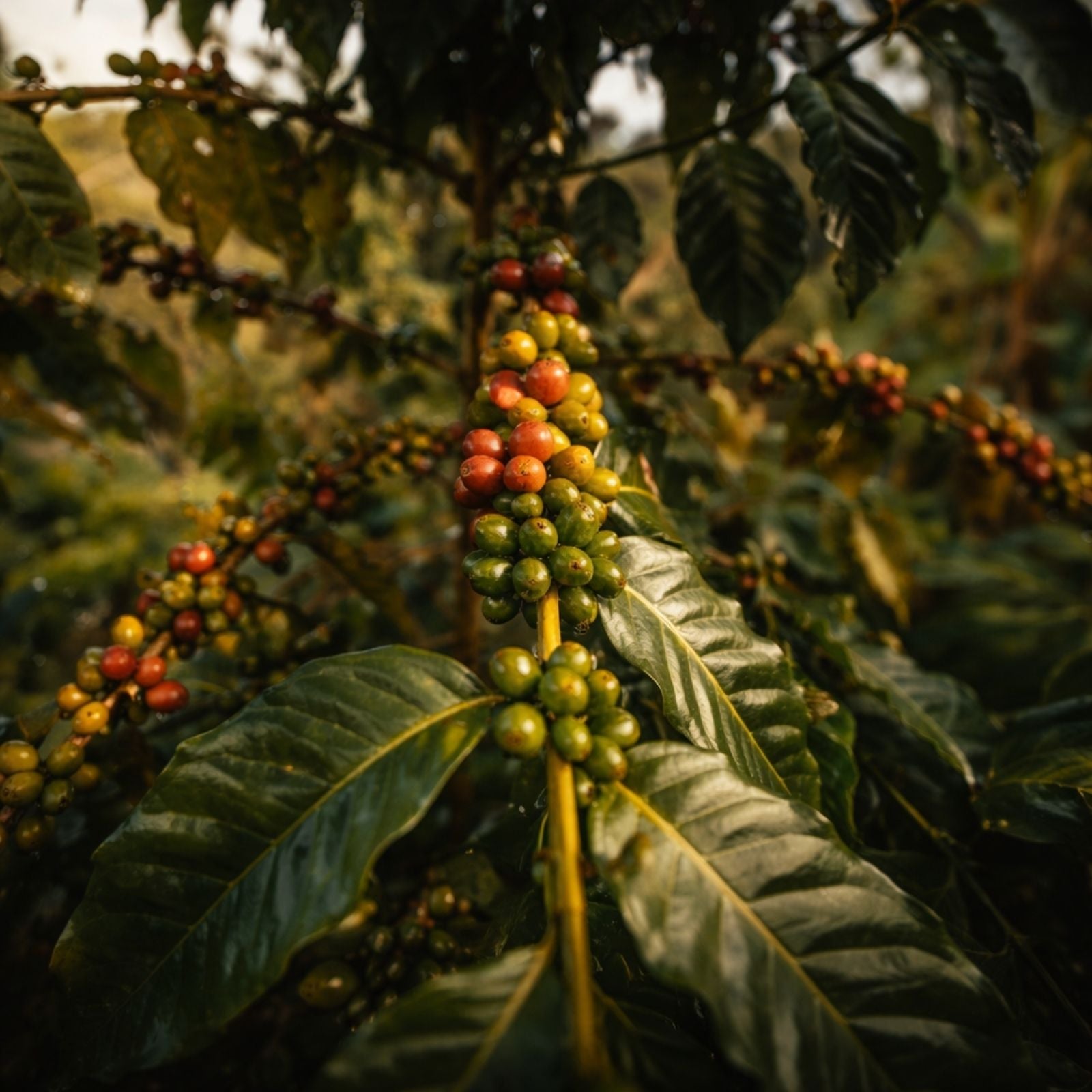
Coffee from El Salvador is closely associated with volcanic soils, high-elevation growing zones, and a long-standing focus on sweetness, balance, and clean cup structure. Despite its small geographic size, El Salvador has played an outsized role in specialty coffee—particularly through the development and global popularization of honey processing and the cultivation of distinctive Bourbon-derived varietals. Salvadoran coffees are typically recognized for their elegance, sweetness, and refined acidity rather than overt intensity.
History of Coffee in El Salvador
Coffee was introduced to El Salvador in the mid-19th century and quickly became the country’s primary agricultural export. Volcanic soils and favorable elevations allowed coffee to replace indigo as the dominant economic driver, shaping land use and rural development for generations.
Throughout the 20th century, political instability and land concentration influenced production structure, but coffee remained central to the national economy. In the modern era, El Salvador shifted decisively toward quality-focused production, emphasizing micro-lots, varietal distinction, and innovative processing methods that elevated its reputation within specialty coffee.
Geography & Coffee-Growing Landscape
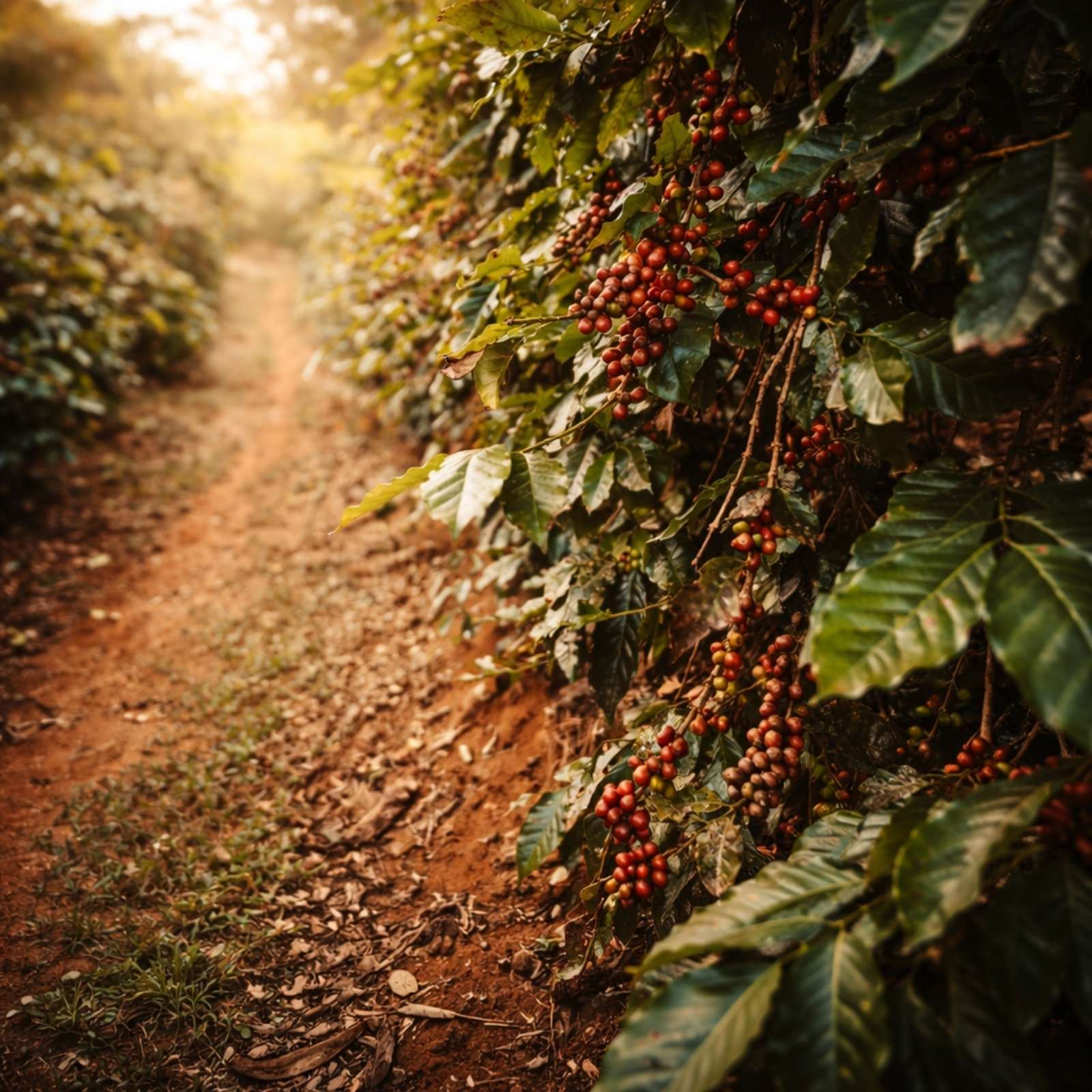
El Salvador’s coffee landscape is defined by a chain of volcanoes running parallel to the Pacific coast. These volcanic mountain ranges provide fertile soils, high elevations, and excellent drainage—ideal conditions for Arabica coffee.
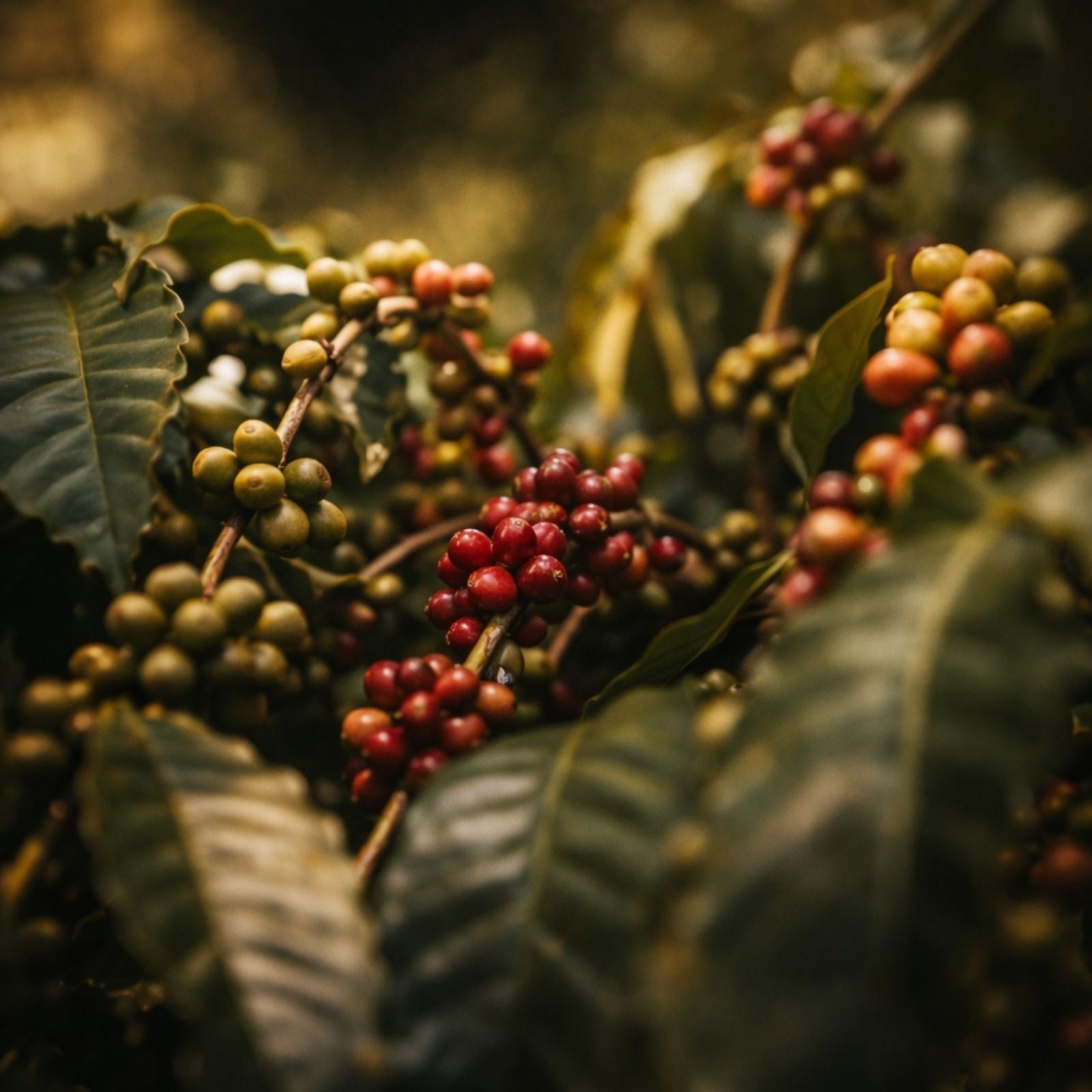
Consistent temperatures, distinct wet and dry seasons, and significant day–night temperature variation slow cherry maturation, supporting sugar development and balanced acidity. Coffee is grown almost exclusively on volcanic slopes, giving Salvadoran coffee a strong sense of terroir despite the country’s compact size.
Major Coffee-Growing Regions
El Salvador officially recognizes several coffee-growing regions, each shaped by volcanic activity, elevation, and microclimate.
Apaneca–Ilamatepec
The most prominent and productive region, Apaneca–Ilamatepec produces high-elevation coffees known for sweetness, balance, and clarity. Coffees often show chocolate, caramel, citrus, and soft fruit notes.
Alotepec–Metapán
Located in the northwest, this region produces structured coffees with brighter acidity and refined sweetness, influenced by cooler temperatures and higher elevations.
Tecapa–Chinameca
Characterized by fertile volcanic soils and consistent rainfall, coffees from this region often display pronounced sweetness, full body, and chocolate-forward profiles.
Cacahuatique
Situated in eastern El Salvador, Cacahuatique produces approachable coffees with gentle acidity, round body, and nutty or caramel tones.
Chichontepec
A smaller region centered around a volcanic area, producing softer, balanced coffees with classic sweetness and mild acidity.
El Bálsamo–Quezaltepec
Located near the Pacific coast, this region produces coffees with fuller body, softer acidity, and pronounced sweetness shaped by warmer conditions.
Elevation & Growing Conditions
Salvadoran coffee is typically grown between approximately 1,200 and 1,900 meters above sea level. Elevation plays a critical role in bean density, acidity development, and aromatic expression.
Higher elevations tend to produce coffees with brighter acidity and greater clarity, while lower elevations contribute fuller body and rounder sweetness. Volcanic soils further enhance mineral-driven sweetness and structure.
Coffee Varietals Grown in El Salvador
El Salvador is particularly known for its Bourbon heritage and Bourbon-derived varietals, alongside modern hybrids and specialty plantings.
Traditional & Historically Established Varietals
Bourbon (including red and yellow selections), Typica, Pacas, Pacamara, Caturra, Catuai, and Maragogipe form the historical backbone of Salvadoran coffee. These varietals are valued for sweetness, balance, and clarity, with Pacamara holding special significance as a locally developed hybrid between Pacas and Maragogipe.
Modern & Hybrid Varietals
Colombia-derived lines, Catimor and Sarchimor-based hybrids, and Icatu are cultivated in some areas to improve disease resistance and farm resilience while maintaining acceptable cup quality.
Heritage, Exotic & Specialty Varietals
Gesha (Geisha), SL28, and other limited experimental plantings appear on select high-elevation farms and competition-focused lots. These varietals are prized for floral aromatics, vibrant acidity, and complex sweetness.
Processing Methods Used
El Salvador is internationally influential in coffee processing, particularly in the development of honey-style methods.
Washed / Fully Washed
A traditional method emphasizing clarity, structure, and transparent expression of varietal and region.
Honey Processing
El Salvador is widely regarded as a pioneer of honey processing, including yellow, red, and black honey styles. These methods retain varying amounts of mucilage to enhance sweetness, body, and complexity.
Natural / Dry Process
Used selectively, producing fruit-forward coffees with heavier body and intensified sweetness.
Anaerobic Fermentation
Oxygen-limited fermentation used to enhance aromatics and complexity in specialty lots.
Extended & Controlled Fermentation
Longer or temperature-managed fermentations designed to shape acidity, sweetness, and mouthfeel.
Carbonic Maceration & Sealed Fermentation Techniques
Sealed fermentation methods adapted from winemaking, producing highly distinctive sensory profiles.
Co-Fermentation
Experimental fermentations incorporating fruits or botanicals, typically limited to specialty and competition-focused micro-lots.
Flavor Profiles & Cup Characteristics
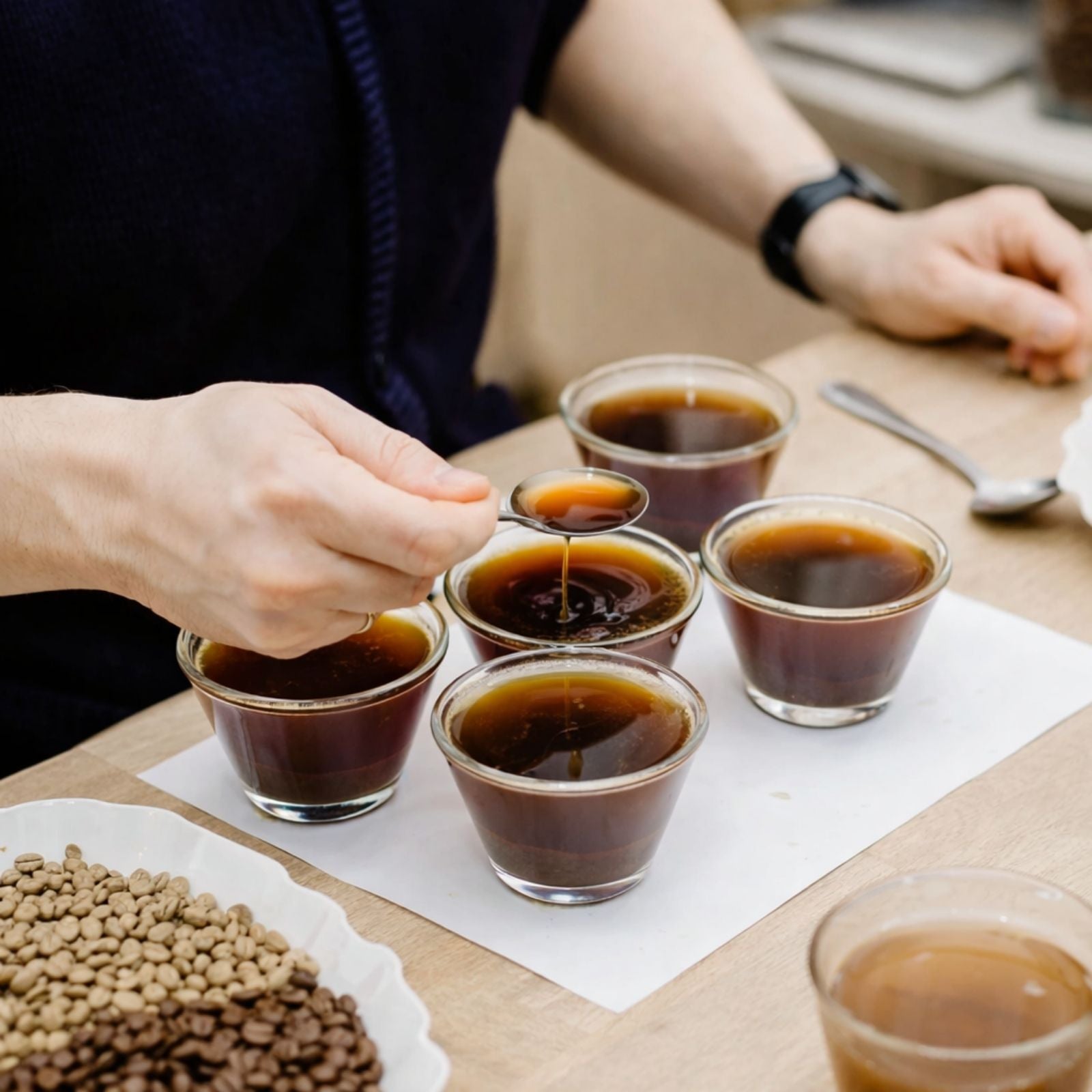
Salvadoran coffees are widely recognized for sweetness, balance, and approachability. Common characteristics include medium acidity, pronounced sweetness, medium body, and a smooth, clean finish.
Flavor notes often include chocolate, caramel, toffee, nut, citrus, stone fruit, and subtle floral aromatics, with variation driven by region, elevation, varietal, and processing method.
Harvest Seasons & Coffee Availability
El Salvador follows a single primary harvest cycle, typically running from November through March. Harvest timing varies by elevation and region, with higher-altitude farms harvesting later in the season.
Quality Standards & Classification Systems
Coffee quality in El Salvador is evaluated through physical grading and sensory assessment. Specialty coffees generally score 80 points and above, with high-performing micro-lots achieving significantly higher scores, particularly from Pacamara and Bourbon-based selections.
Sustainability, Farming Structure & Challenges
Coffee production in El Salvador is largely smallholder-based, often on steep volcanic terrain. Challenges include climate variability, land pressure, and labor availability. Many producers rely on cooperative systems, specialty premiums, and processing innovation to maintain long-term sustainability.
Why Salvadoran Coffee Stands Out
El Salvador stands out for its deep Bourbon heritage, pioneering role in honey processing, and consistent emphasis on sweetness and balance. Few origins have influenced specialty coffee processing methods as significantly while maintaining such a distinct and recognizable cup profile.
Conclusion
Salvadoran coffee reflects a refined balance of volcanic terroir, varietal heritage, and processing innovation. From classic washed Bourbons to experimental honey and anaerobic micro-lots, El Salvador continues to produce coffees that emphasize sweetness, clarity, and elegance, securing its place as a cornerstone of Central American specialty coffee.
To explore an origin internationally recognized for processing innovation and Arabica-only production, continue to Costa Rican coffee.