Papua New Guinea Coffee: History, Regions, Varietals, Processing Methods, and Flavor Profiles
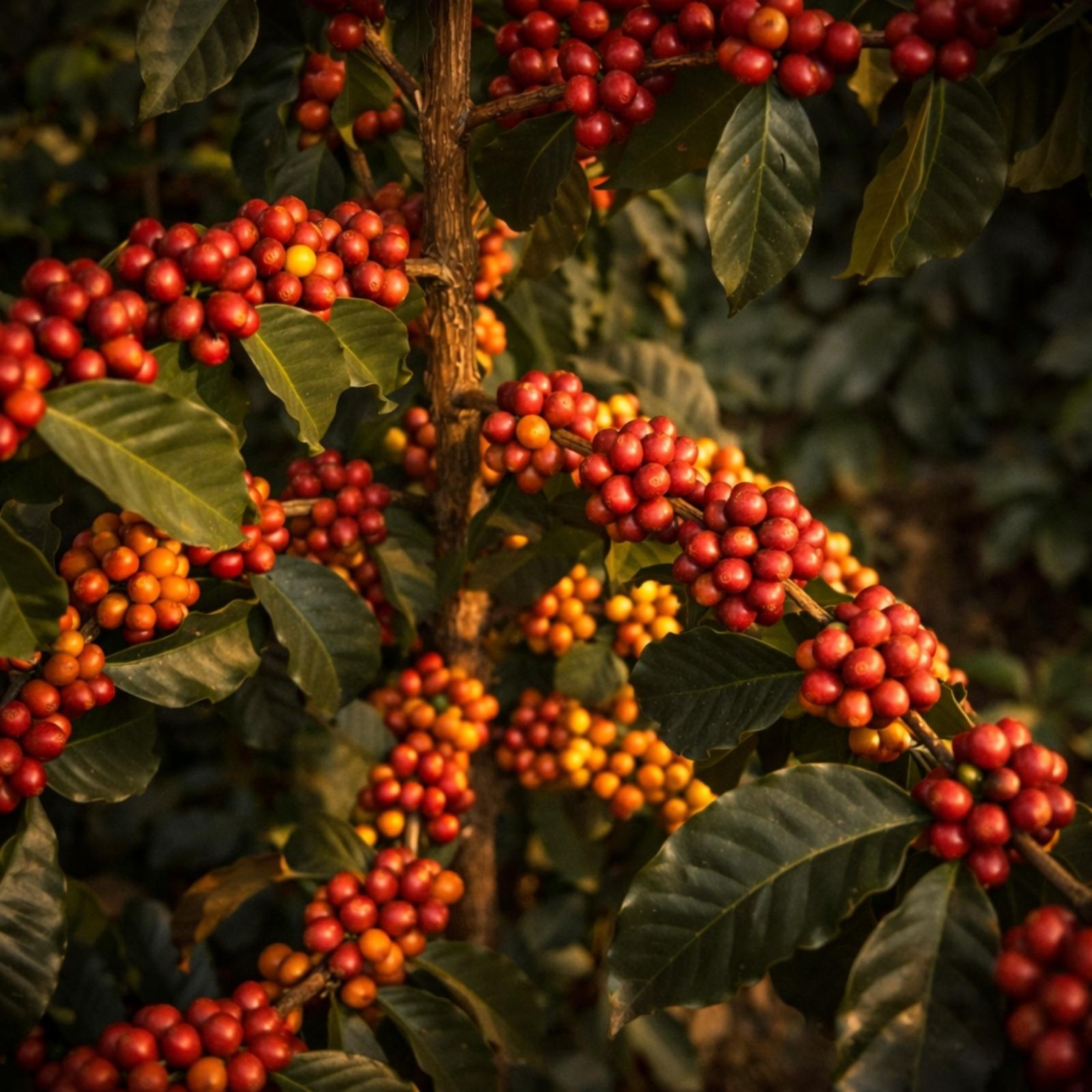
Coffee from Papua New Guinea is shaped by rugged highland terrain, volcanic soils, and a predominantly smallholder farming system that closely resembles traditional coffee cultivation in East Africa. Often abbreviated as PNG, the country produces coffees known for balance, sweetness, and clean structure, frequently compared stylistically to Kenyan or Ethiopian coffees but with a softer, more rounded expression. Papua New Guinea’s coffee identity is defined by high elevations, minimal mechanization, and careful washed processing.
History of Coffee in Papua New Guinea
Coffee was introduced to Papua New Guinea in the late 19th century, but meaningful expansion occurred in the early to mid-20th century as cultivation spread into the central highlands. Unlike many producing countries, coffee development in Papua New Guinea relied heavily on smallholder farmers rather than large estates.
Over time, cooperative systems and centralized washing stations became critical to production. While much of Papua New Guinea’s coffee historically entered commercial markets, improvements in processing infrastructure, traceability, and quality control have increased its recognition within specialty coffee.
Geography & Coffee-Growing Landscape
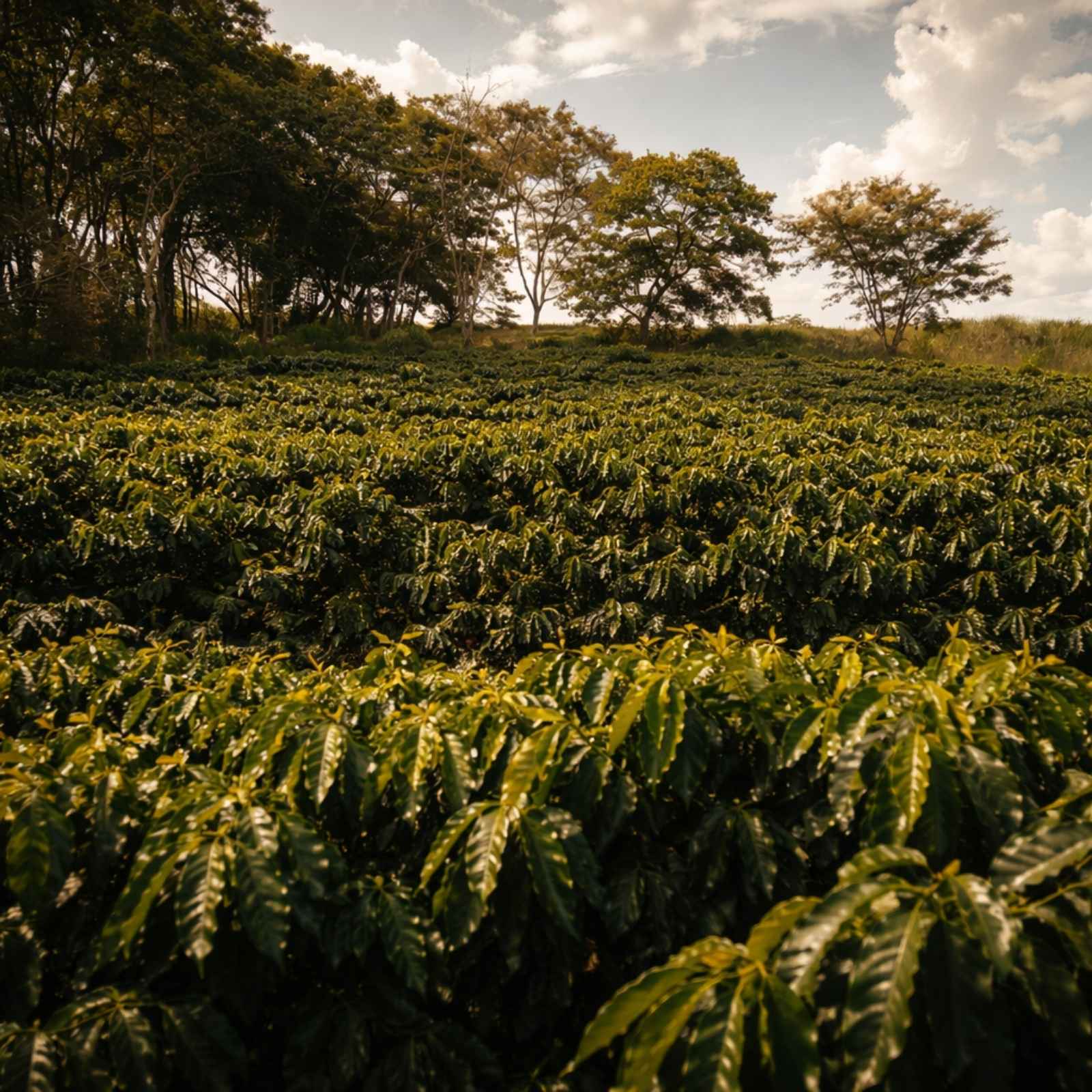
Papua New Guinea’s coffee-growing landscape is dominated by mountainous highlands, deep valleys, and fertile volcanic soils. Coffee is primarily cultivated in remote, high-elevation regions where access is limited and farming remains largely traditional.
Cool temperatures, abundant rainfall, and significant day–night temperature variation slow cherry maturation and support steady sugar development. Many farms operate without chemical inputs, relying on organic matter and natural forest cover.
Major Coffee-Growing Regions
Papua New Guinea’s coffee production is concentrated in several highland provinces.
Eastern Highlands
The most prominent coffee-producing region, Eastern Highlands coffees are known for balance, sweetness, and clean structure, often displaying citrus, stone fruit, and chocolate notes.
Western Highlands
High-elevation farms in this region produce coffees with refined acidity, medium body, and increasing specialty recognition.
Simbu (Chimbu)
A smaller but notable producing area, Simbu coffees often show bright acidity, floral aromatics, and clean, tea-like profiles.
Jiwaka
A newer administrative region carved from the Western Highlands, Jiwaka produces balanced coffees with gentle sweetness and improving consistency.
Elevation & Growing Conditions
Papua New Guinean coffee is typically grown between approximately 1,400 and 2,000 meters above sea level, with some farms reaching even higher elevations. Elevation contributes to dense beans, bright yet controlled acidity, and aromatic clarity.
Highland conditions combined with traditional farming practices result in coffees that emphasize balance and cleanliness rather than extreme intensity.
Coffee Varietals Grown in Papua New Guinea
Papua New Guinea cultivates a focused but significant set of Arabica varietals.
Traditional & Historically Established Varietals
Typica-derived cultivars dominate Papua New Guinea’s coffee production and are closely associated with its clean, balanced cup profiles.
Introduced & Regionally Important Varietals
Bourbon selections, Arusha, and other early Arabica introductions appear in limited plantings and contribute to sweetness and structure.
Modern & Hybrid Varietals
Catimor and other rust-resistant hybrids are present in some areas, introduced to improve resilience while maintaining acceptable cup quality.
Robusta / Canephora Varietals
Robusta is grown in small quantities at lower elevations but is not central to Papua New Guinea’s coffee identity.
Processing Methods Used
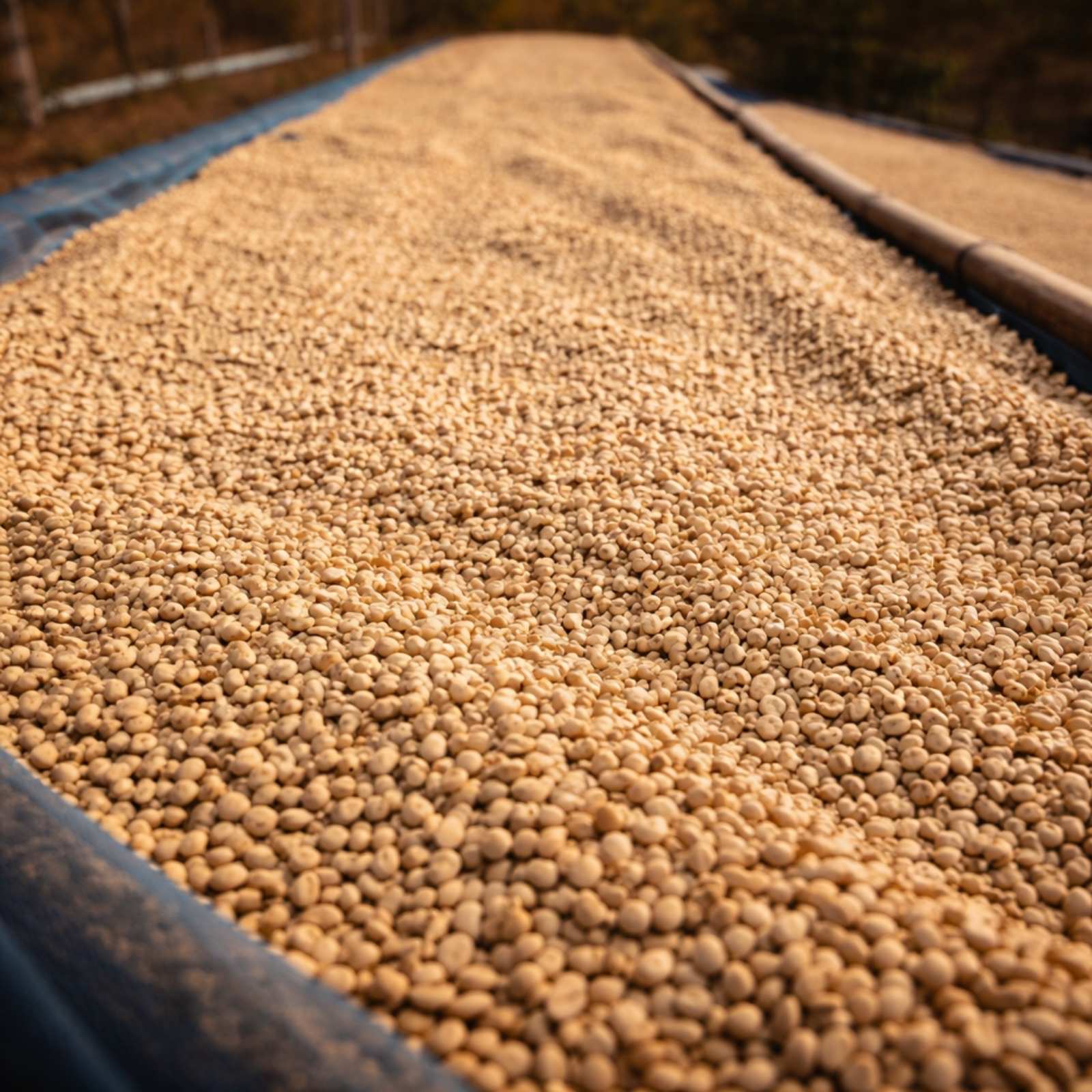
Papua New Guinea is strongly associated with washed processing, supported by centralized wet mills.
Washed / Fully Washed
The dominant and defining method, emphasizing clarity, balance, and transparent expression of varietal and origin.
Natural / Dry Process
Used selectively, producing fruit-forward coffees with enhanced sweetness and fuller body.
Honey Processing
Limited and experimental, retaining some mucilage to enhance sweetness and mouthfeel.
Anaerobic Fermentation
Increasingly explored by specialty producers to intensify aromatics and complexity.
Extended & Controlled Fermentation
Lengthened or carefully managed fermentations designed to shape acidity, sweetness, and texture.
Carbonic Maceration & Sealed Fermentation Techniques
Experimental sealed fermentations adapted from winemaking, producing distinctive aromatic profiles in small volumes.
Flavor Profiles & Cup Characteristics
Papua New Guinean coffees are known for balance, sweetness, and clean structure. Common characteristics include medium acidity, medium body, refined sweetness, and a smooth finish.
Flavor notes often include citrus, apple, stone fruit, honey, cocoa, and subtle floral aromatics, with washed coffees emphasizing clarity and natural lots offering additional fruit depth.
Harvest Seasons & Coffee Availability
Papua New Guinea generally follows a single primary harvest cycle from April through September, with timing varying by elevation and region.
Quality Standards & Classification Systems
Coffee quality in Papua New Guinea is evaluated through physical grading and sensory assessment. Washing station separation, lot traceability, and cooperative organization play important roles in quality differentiation, particularly for specialty offerings.
Sustainability, Farming Structure & Challenges
Coffee production in Papua New Guinea is overwhelmingly smallholder-based, often in remote areas with limited infrastructure. Challenges include transportation, access to markets, and climate variability. Cooperative systems, improved processing facilities, and specialty premiums are essential to long-term sustainability.
Why Papua New Guinean Coffee Stands Out
Papua New Guinea stands out for producing coffees that combine highland acidity with approachability and balance. Its traditional farming systems and washed processing deliver clean, expressive cups that appeal to those seeking clarity without sharp intensity.
Conclusion
Papua New Guinean coffee reflects the strengths of high-elevation cultivation and traditional processing in a remote and biodiverse environment. From classic washed profiles to emerging specialty and experimental lots, Papua New Guinea continues to establish itself as a source of balanced, high-quality coffees within the Asia–Pacific region.
To explore an origin defined by shaded cultivation, estate production, and uniquely diverse processing methods, continue to Indian coffee.