Sumatra Coffee: History, Regions, Varietals, Processing Methods, and Flavor Profiles
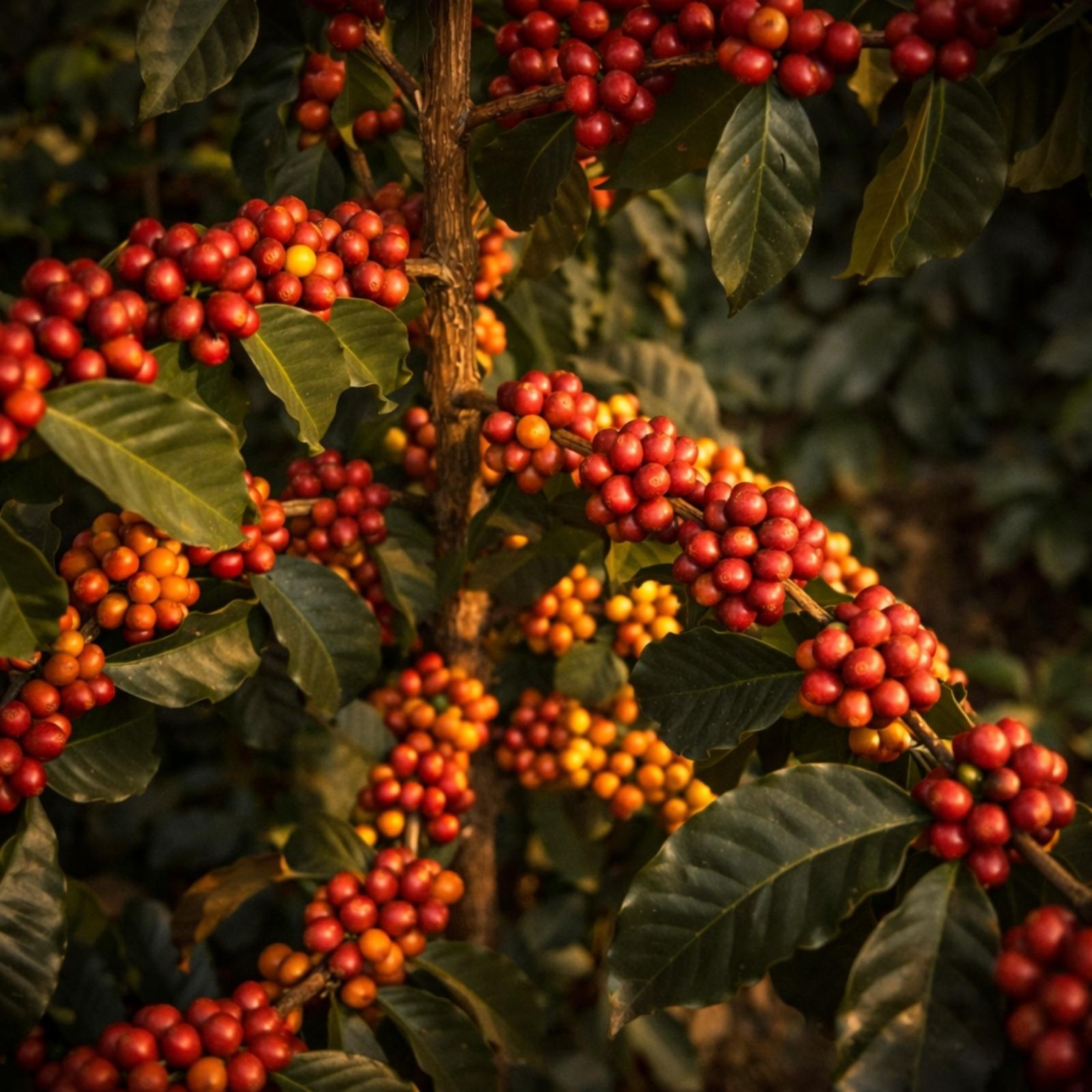
Coffee from Sumatra is among the most distinctive expressions of coffee in the world, shaped by tropical climate, volcanic soils, and region-specific processing methods. As one of Indonesia’s most important coffee-producing islands, Sumatra is especially known for full body, low to moderate acidity, and deep, savory flavor profiles. Its identity is closely tied to wet-hulled processing and highland smallholder farming, resulting in coffees that are immediately recognizable in the cup.
History of Coffee in Sumatra
Coffee cultivation in Sumatra dates back to the late 17th century during the Dutch colonial era, when Arabica coffee was first introduced to the island. Over time, coffee production expanded into the highland regions of northern Sumatra, where altitude and volcanic soils supported consistent cultivation.
Disease pressure in the late 19th century led to increased Robusta planting in lower elevations, while Arabica production persisted in cooler highland zones. In the modern era, Sumatra has become a cornerstone of specialty coffee, valued for its unique processing traditions and bold flavor profiles rather than high acidity or brightness.
Geography & Coffee-Growing Landscape
Sumatra’s coffee-growing landscape is defined by rugged mountains, dense rainforests, and fertile volcanic soils along the Bukit Barisan mountain range. High humidity, frequent rainfall, and cloud cover strongly influence farming and processing decisions.
Coffee is primarily grown by smallholder farmers at mid to high elevations, often on steep terrain. These environmental conditions limit drying speed and have directly shaped the development of Sumatra’s signature processing techniques.
Major Coffee-Growing Regions
Sumatra’s coffee identity varies across its major producing areas.
Aceh (Gayo Highlands)
Located in northern Sumatra, Aceh is the most internationally recognized Sumatran coffee region. Coffees from Gayo are known for full body, smooth mouthfeel, herbal sweetness, and cleaner structure compared to other Sumatran profiles.
North Sumatra (Lintong, Mandheling)
This region produces some of Sumatra’s most classic profiles. Coffees often display heavy body, low acidity, earthy depth, cocoa, spice, and savory notes, especially when wet-hulled.
West Sumatra
A smaller but growing specialty region producing balanced coffees with chocolate sweetness, spice, and slightly brighter structure depending on processing.
South Sumatra
Historically more Robusta-focused, South Sumatra contributes bold, full-bodied coffees, with increasing quality improvements in select Arabica lots.
Elevation & Growing Conditions
Sumatran Arabica is typically grown between approximately 1,000 and 1,700 meters above sea level, with some farms reaching higher elevations. Robusta is cultivated at lower elevations in warmer, more humid zones.
Elevation contributes to bean density and sweetness, while the tropical climate influences processing methods that favor body and depth over brightness.
Coffee Varietals Grown in Sumatra
Sumatra cultivates a mix of traditional Arabica varietals, modern hybrids, and Robusta.
Traditional & Historically Established Varietals
Typica-derived cultivars and Bourbon selections form part of Sumatra’s historical Arabica base, though they are less common today due to disease susceptibility.
Modern & Hybrid Varietals
Catimor, Sarchimor-derived lines, and other rust-resistant hybrids dominate current Arabica production, offering resilience in humid conditions while maintaining acceptable cup quality.
Robusta / Canephora Varietals
Robusta is widely grown at lower elevations, contributing bold, high-caffeine coffees primarily used in commercial blends.
Heritage, Exotic & Specialty Varietals
Gesha (Geisha) and other specialty varietals appear in limited high-elevation plantings, primarily in Aceh and experimental micro-lots.
Processing Methods Used
Sumatra is globally defined by its distinctive processing techniques, developed in response to climate and infrastructure.
Wet-Hulled / Giling Basah
The hallmark Sumatran method, involving hulling parchment coffee at high moisture content before final drying. This produces coffees with heavy body, low acidity, and earthy, savory flavor profiles.
Washed / Fully Washed
Used in select regions and specialty contexts, particularly in Aceh, producing cleaner cups with improved clarity and balance.
Natural / Dry Process
Used selectively, producing fruit-forward coffees with increased sweetness and body.
Honey Processing
Limited and experimental, retaining some mucilage to enhance sweetness and texture.
Anaerobic Fermentation
Increasingly used by specialty producers to intensify aromatics and complexity.
Extended & Controlled Fermentation
Lengthened or managed fermentations designed to influence sweetness, body, and structure.
Carbonic Maceration & Sealed Fermentation Techniques
Experimental sealed fermentations adapted from winemaking, producing distinctive sensory profiles in small volumes.
Flavor Profiles & Cup Characteristics
Sumatran coffees are best known for full body, syrupy mouthfeel, and low to moderate acidity. Common characteristics include earthy, herbal, and savory notes alongside cocoa, cedar, spice, and dark chocolate.
Washed Sumatran coffees tend to be cleaner and more structured, while wet-hulled coffees emphasize depth, weight, and complexity.
Harvest Seasons & Coffee Availability
Sumatra typically follows a main harvest season from September through March, with variations by region and elevation. The extended harvest window supports steady availability throughout much of the year.
Quality Standards & Classification Systems
Coffee quality in Sumatra is assessed through physical grading and sensory evaluation. Regional designation, processing method, and cooperative separation play important roles in quality differentiation, especially in specialty markets.
Sustainability, Farming Structure & Challenges
Coffee production in Sumatra is overwhelmingly smallholder-based. Challenges include high humidity, plant disease pressure, limited infrastructure, and climate variability. Cooperative systems, improved processing practices, and specialty premiums are essential to long-term sustainability.
Why Sumatran Coffee Stands Out
Sumatra stands out for its unmistakable processing identity and flavor profile. Few origins produce coffees so strongly shaped by post-harvest technique, resulting in cups that are instantly recognizable and deeply textured.
Conclusion
Sumatran coffee represents one of the most distinctive expressions in the coffee world. Through its highland terroir, resilient varietals, and signature wet-hulled processing, Sumatra continues to deliver coffees defined by depth, body, and character that remain unmatched by other origins.
For an Indonesian origin defined by estate cultivation and clean washed profiles, continue to Javanese coffee.