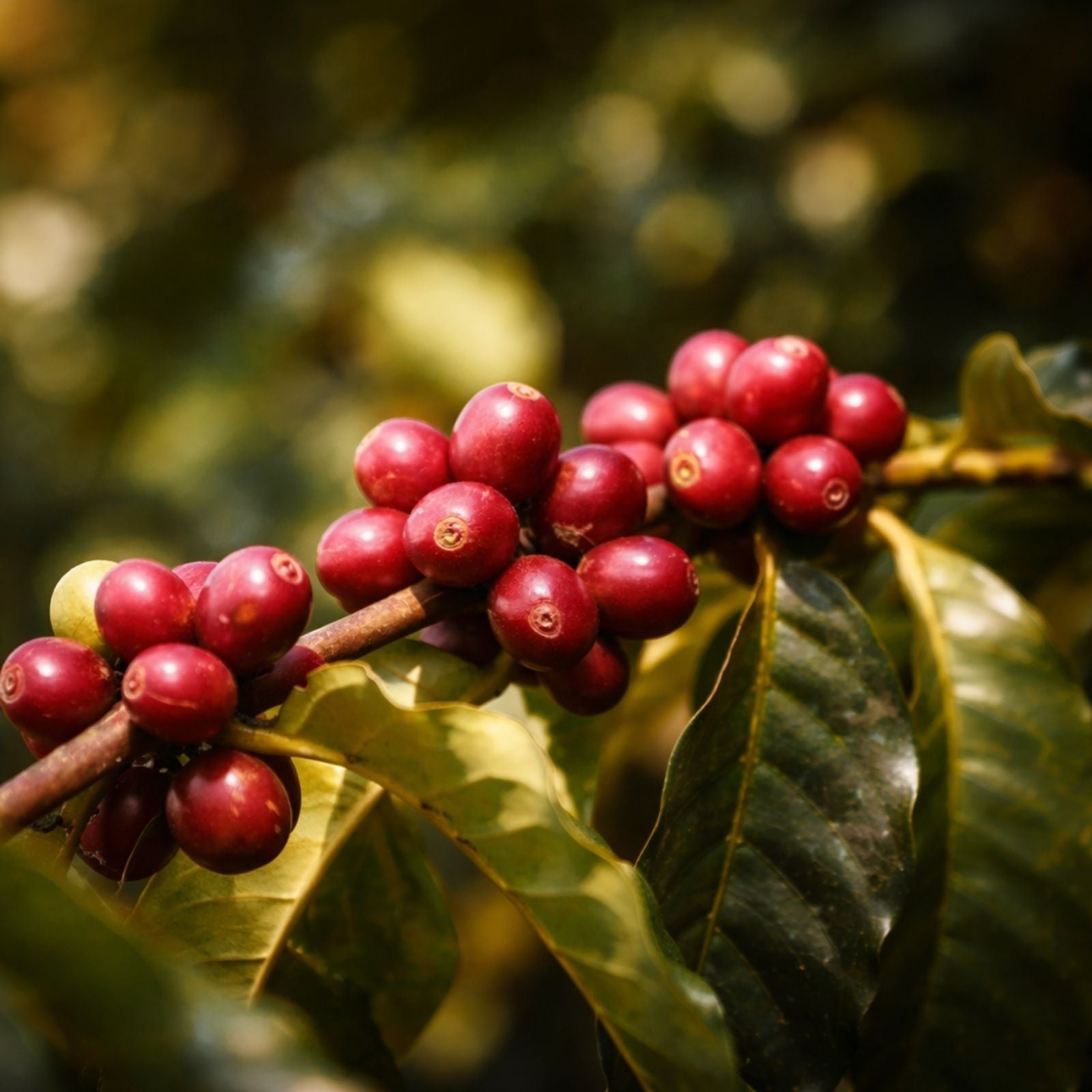
Rwanda Coffee: History, Regions, Varietals, Processing Methods, and Flavor Profiles
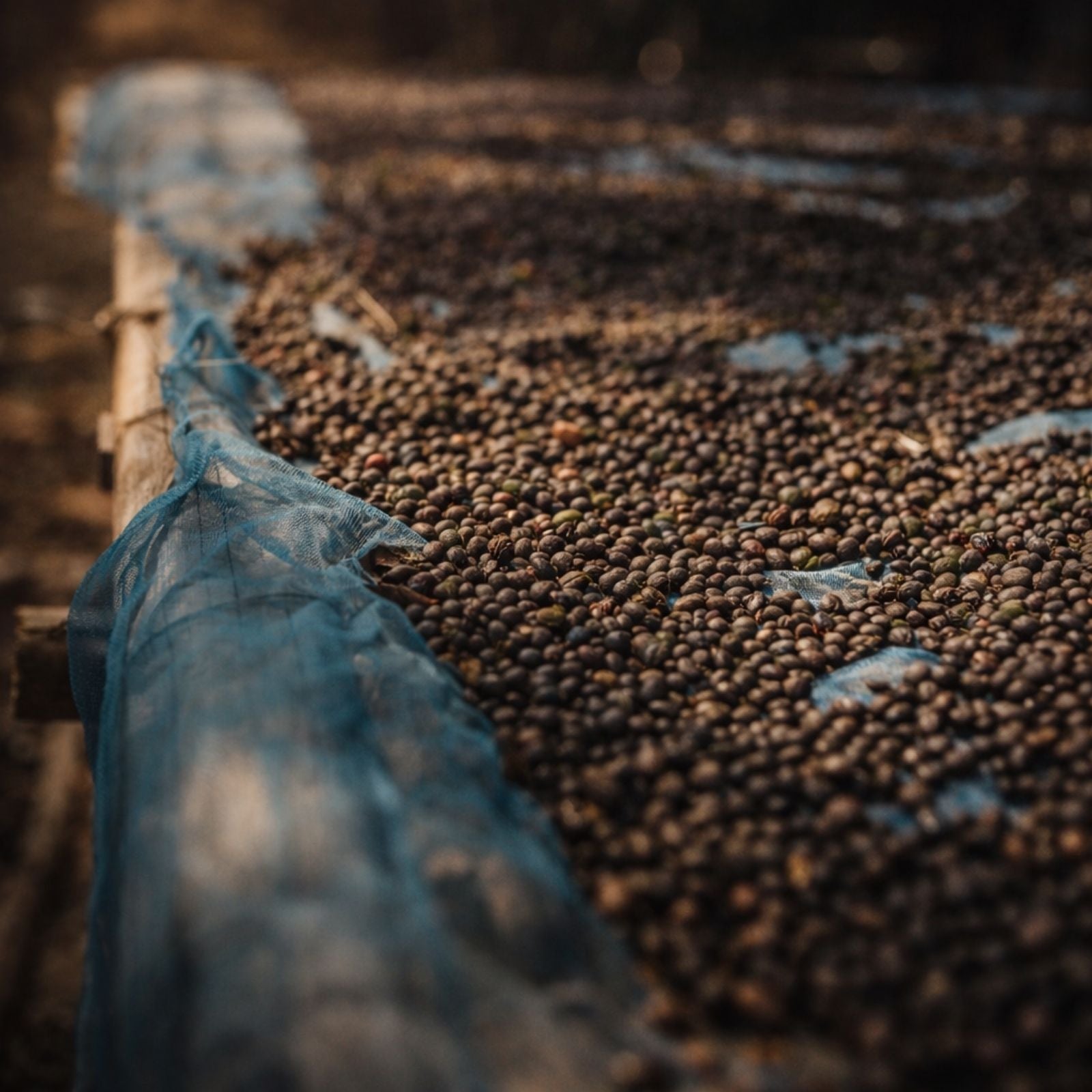
Coffee from Rwanda is widely recognized for its elegance, clarity, and refined sweetness. Rwanda’s coffee identity is shaped by high-elevation growing zones, volcanic soils, and a production system centered on smallholder farmers delivering cherry to centralized washing stations. Often compared stylistically to neighboring East African origins, Rwandan coffees tend to emphasize balance and cleanliness alongside vibrant acidity.
History of Coffee in Rwanda
Coffee was introduced to Rwanda in the early 20th century during the colonial period and gradually became a key export crop. For much of the century, production focused on volume with limited differentiation.
In the early 2000s, major investments in washing stations, farmer training, and quality control transformed Rwanda’s coffee sector. This shift toward washed processing, traceability, and specialty market access repositioned Rwanda as a respected origin capable of producing high-quality, origin-distinct coffees.
Geography & Coffee-Growing Landscape
Rwanda’s coffee-growing landscape is defined by steep hills, high plateaus, and volcanic soils formed along the East African Rift. Much of the country sits at high elevation, creating ideal conditions for Arabica coffee cultivation.
Consistent rainfall, cool temperatures, and significant day–night temperature variation slow cherry maturation, supporting dense beans, bright acidity, and refined aromatics. Coffee is primarily grown by smallholder farmers on small plots across hilly terrain.
Major Coffee-Growing Regions
Rwanda’s coffee regions are closely tied to elevation and proximity to Lake Kivu and surrounding highlands.
Western Province
Often considered Rwanda’s most prominent coffee region, the Western Province produces high-elevation coffees with bright acidity, sweetness, and clean structure, frequently influenced by Lake Kivu’s moderating climate.
Northern Province
Characterized by volcanic soils and high altitudes near the Virunga Mountains, this region produces structured coffees with lively acidity and refined sweetness.
Southern Province
One of Rwanda’s largest producing areas, the Southern Province delivers balanced coffees with medium acidity, sweetness, and chocolate or fruit undertones.
Eastern Province
Warmer and drier than other regions, the Eastern Province produces softer, rounder coffees with milder acidity and approachable profiles.
Elevation & Growing Conditions
Rwandan coffee is typically grown between approximately 1,400 and 2,000 meters above sea level, with many farms operating at higher elevations. Elevation plays a central role in acidity development, bean density, and aromatic clarity.
Higher elevations contribute to brighter acidity and layered aromatics, while slightly lower elevations yield fuller body and softer profiles.
Coffee Varietals Grown in Rwanda
Rwanda’s varietal landscape is focused but significant, centered primarily on Bourbon-derived cultivars.
Traditional & Historically Established Varietals
Red Bourbon dominates Rwandan coffee production and is the country’s most important varietal. Jackson, Mibirizi, and other Bourbon selections are also present and contribute to Rwanda’s characteristic sweetness and balance.
Improved & Selected Varietals
Selections such as BM139 and other Bourbon-based improvements are cultivated to improve yield and disease resistance while maintaining cup quality.
Limited & Experimental Varietals
SL28 and other non-native varietals appear in small experimental or specialty plantings, but Rwanda remains overwhelmingly defined by its Bourbon heritage rather than varietal diversity.
Processing Methods Used
Rwanda’s coffee reputation is closely tied to washed processing, though experimentation has expanded in recent years.
Washed / Fully Washed
The dominant and defining method, emphasizing clarity, structure, and transparent expression of terroir and varietal.
Natural / Dry Process
Used selectively, producing fruit-forward coffees with heavier body and increased sweetness.
Honey Processing
Limited and experimental, retaining some mucilage to enhance sweetness and mouthfeel.
Anaerobic Fermentation
Oxygen-limited fermentation increasingly used to enhance aromatics and complexity in specialty lots.
Extended & Controlled Fermentation
Lengthened or carefully managed fermentations designed to refine acidity, sweetness, and texture.
Carbonic Maceration & Sealed Fermentation Techniques
Experimental sealed fermentations adapted from winemaking, producing distinctive aromatic profiles in small volumes.
Flavor Profiles & Cup Characteristics
Rwandan coffees are known for balance, cleanliness, and elegance. Common characteristics include bright but refined acidity, pronounced sweetness, medium body, and a clean, tea-like finish.
Flavor notes often include red apple, citrus, stone fruit, honey, floral aromatics, and subtle chocolate, with variation driven by region, elevation, varietal, and processing method.
Harvest Seasons & Coffee Availability
Rwanda generally follows a single primary harvest cycle, typically running from March through July, with timing varying by elevation and region.
Quality Standards & Classification Systems
Coffee quality in Rwanda is evaluated through physical grading and sensory assessment. Washing station separation and lot traceability play a major role in quality differentiation, with specialty coffees frequently achieving high scores based on clarity and balance.
Sustainability, Farming Structure & Challenges
Rwandan coffee production is overwhelmingly smallholder-based. Challenges include land scarcity, climate variability, and access to resources. Cooperative structures, washing station infrastructure, and quality premiums are essential to maintaining farmer livelihoods and long-term sustainability.
Why Rwandan Coffee Stands Out
Rwanda stands out for its transformation into a quality-focused origin defined by washed Bourbon coffees of exceptional clarity and balance. Few origins have demonstrated such rapid and effective improvement in specialty coffee recognition.
Conclusion
Rwandan coffee reflects precision, balance, and the impact of focused processing systems. From classic washed Bourbon profiles to carefully managed experimental lots, Rwanda continues to strengthen its reputation as a producer of elegant, expressive coffees in the global specialty landscape.
To explore a closely related origin producing refined, high-elevation washed coffees, continue to Burundian coffee.