Tanzania Coffee: History, Regions, Varietals, Processing Methods, and Flavor Profiles
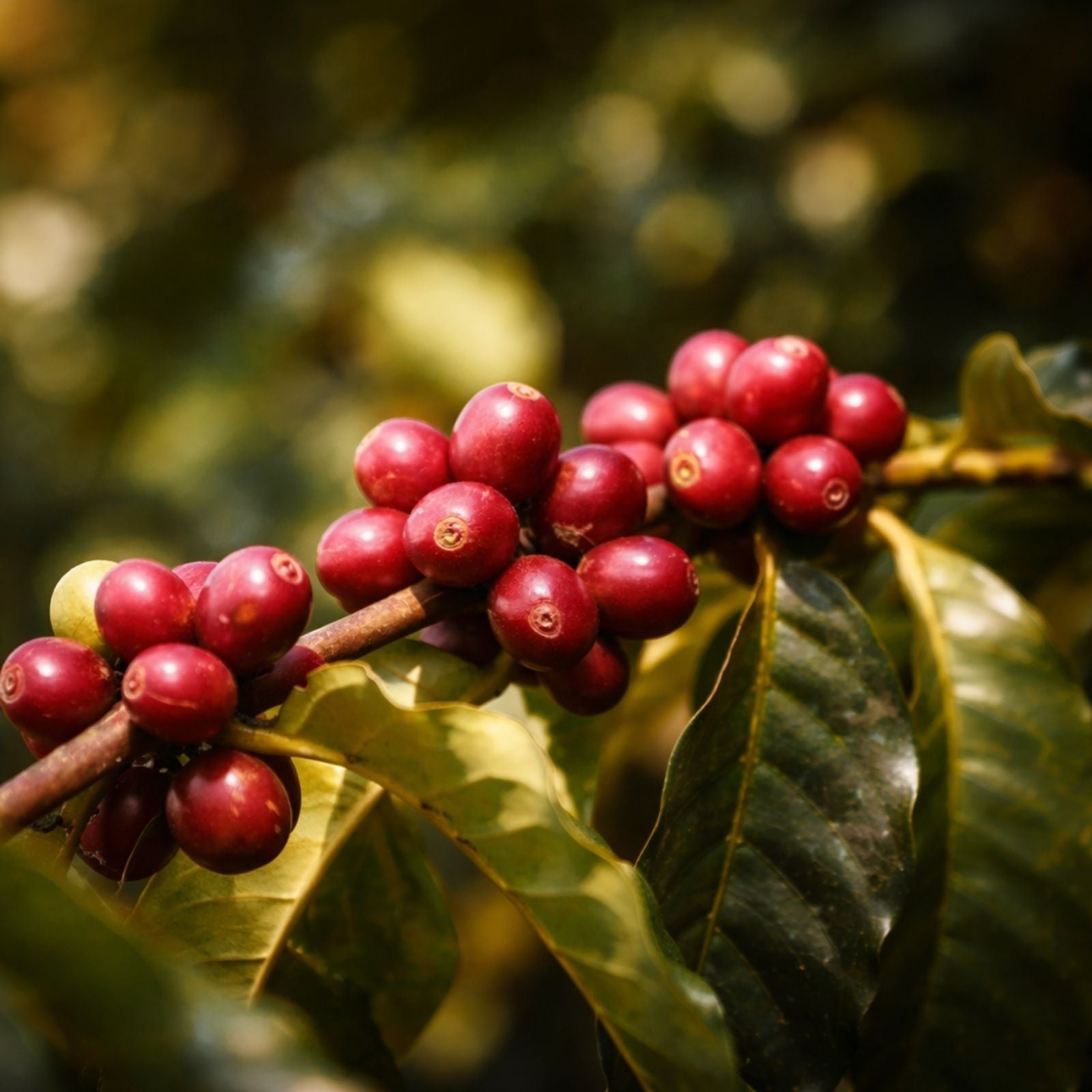
Coffee from Tanzania is shaped by high-elevation growing zones, volcanic soils, and a production system dominated by smallholder farmers delivering cherry to centralized washing stations. Often compared to neighboring East African origins, Tanzanian coffees tend to emphasize balance and sweetness alongside bright acidity, with profiles ranging from clean and citrus-forward to fuller-bodied and chocolate-driven depending on region and processing.
History of Coffee in Tanzania
Coffee was introduced to Tanzania in the late 19th century and expanded during the colonial period, particularly in highland areas surrounding Mount Kilimanjaro and the southern highlands. Over time, coffee became an important export crop supported by cooperative systems and centralized processing infrastructure.
Following independence, Tanzania expanded smallholder participation and maintained a dual system of cooperative and estate-based production. While much of Tanzania’s coffee historically entered commodity channels, increased investment in quality control, washing stations, and traceability has strengthened its specialty coffee presence in recent decades.
Geography & Coffee-Growing Landscape
Tanzania’s coffee-growing landscape spans volcanic mountain slopes, fertile highland plateaus, and rift valley-influenced regions. Coffee is primarily cultivated at elevation, often under shade, with diverse microclimates shaped by altitude, rainfall patterns, and soil composition.
Cool temperatures, consistent rainfall, and significant day–night temperature variation slow cherry maturation, contributing to dense beans, refined acidity, and layered sweetness.
Major Coffee-Growing Regions
Tanzania’s coffee production is concentrated in several key regions, each contributing distinct characteristics.
Kilimanjaro
Situated on the slopes of Mount Kilimanjaro, this region produces high-elevation coffees with bright acidity, refined sweetness, and clean structure, often featuring citrus and stone fruit notes.
Arusha
Located near Mount Meru, Arusha coffees are typically balanced and approachable, with moderate acidity, sweetness, and classic East African clarity.
Mbeya
Part of Tanzania’s southern highlands, Mbeya produces coffees with fuller body, balanced acidity, and chocolate or fruit-forward characteristics depending on processing.
Songwe
A developing specialty region adjacent to Mbeya, Songwe produces clean, structured coffees with increasing recognition for quality and consistency.
Ruvuma
Located in southern Tanzania, Ruvuma contributes approachable coffees with mild acidity, round body, and sweet, classic profiles.
Elevation & Growing Conditions
Tanzanian coffee is typically grown between approximately 1,200 and 2,000 meters above sea level, with some farms operating at higher elevations. Elevation plays a critical role in bean density, acidity development, and aromatic clarity.
Higher elevations tend to yield brighter acidity and more pronounced aromatics, while lower elevations produce rounder body and softer profiles.
Coffee Varietals Grown in Tanzania
Tanzania cultivates a combination of traditional East African varietals, locally developed selections, and modern hybrids.
Traditional & Historically Established Varietals
Kent, Bourbon-derived selections, and Typica-related cultivars form part of Tanzania’s traditional varietal base, contributing balance and sweetness.
Signature & Regionally Important Varietals
N39 and KP423 are widely grown and closely associated with Tanzanian coffee, valued for their cup quality, adaptability, and consistency.
Modern & Hybrid Varietals
Ruiru 11, Batian, and other disease-resistant hybrids appear in limited plantings, supporting farm resilience while maintaining acceptable cup quality.
Processing Methods Used
Tanzania employs a range of traditional and increasingly advanced coffee processing methods.
Washed / Fully Washed
The dominant method, emphasizing clarity, brightness, and transparent expression of region and varietal.
Natural / Dry Process
Used selectively, producing fruit-forward coffees with heavier body and enhanced sweetness.
Honey Processing
Limited and experimental, retaining some mucilage to balance sweetness and body.
Anaerobic Fermentation
Oxygen-limited fermentation increasingly used in specialty contexts to intensify aromatics and complexity.
Extended & Controlled Fermentation
Lengthened or temperature-managed fermentations designed to shape acidity, sweetness, and mouthfeel.
Carbonic Maceration & Sealed Fermentation Techniques
Experimental sealed fermentations adapted from winemaking, producing distinctive aromatic profiles in small volumes.
Flavor Profiles & Cup Characteristics
Tanzanian coffees are generally known for balance, sweetness, and clean structure. Common characteristics include bright to moderate acidity, medium body, refined sweetness, and a clean finish.
Flavor notes often include citrus, stone fruit, red apple, honey, chocolate, and subtle floral elements, with variation driven by region, elevation, varietal, and processing method.
Harvest Seasons & Coffee Availability
Tanzania generally follows a single primary harvest cycle, typically running from July through December, with timing varying by region and elevation.
Quality Standards & Classification Systems
Coffee quality in Tanzania is evaluated through physical grading and sensory assessment. Cooperative and estate separation, washing station protocols, and lot traceability play important roles in quality differentiation, with specialty coffees increasingly achieving high scores.
Sustainability, Farming Structure & Challenges
Tanzanian coffee production is largely smallholder-based, supported by cooperative systems. Challenges include climate variability, infrastructure limitations, and aging coffee trees. Research initiatives, varietal selection, and quality premiums are central to sustaining long-term production.
Why Tanzanian Coffee Stands Out
Tanzania stands out for its balance between brightness and sweetness, offering an alternative expression to more intense East African profiles. Its combination of high elevations, signature varietals, and clean processing produces versatile coffees suitable for a wide range of palates.
Conclusion
Tanzanian coffee reflects the strengths of East African highland production paired with a focus on balance and clarity. From classic washed profiles to emerging specialty and experimental lots, Tanzania continues to build recognition as a source of clean, expressive coffees with distinct regional character.
To examine an origin uniquely defined by both Arabica and Robusta production, continue to Ugandan coffee.