Uganda Coffee: History, Regions, Varietals, Processing Methods, and Flavor Profiles

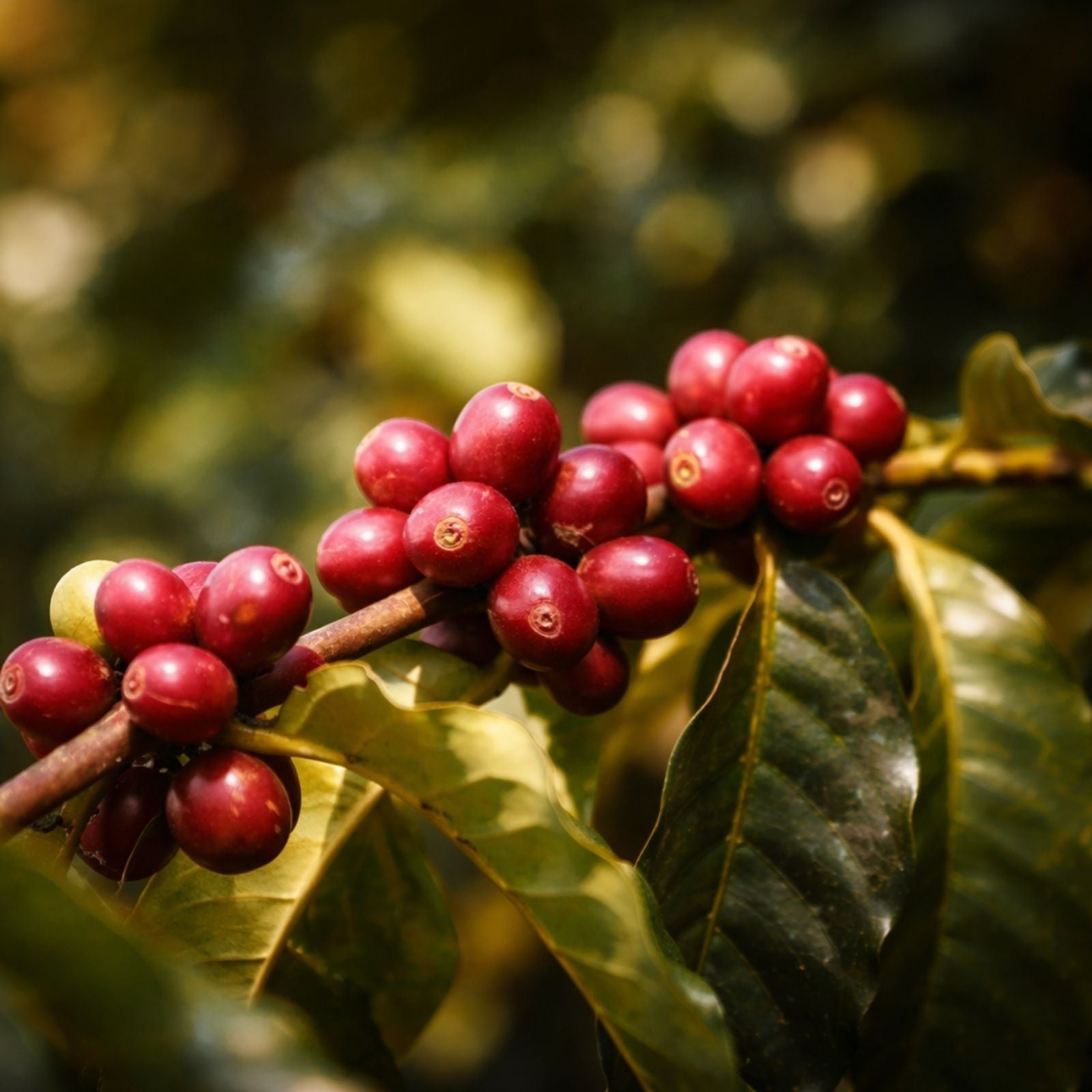
Coffee from Uganda occupies a unique position in the global coffee landscape as one of the world’s most important producers of Robusta alongside high-quality Arabica from mountainous regions. Uganda’s coffee identity is shaped by diverse growing environments, from volcanic highlands to lake-influenced lowlands, and by a production system dominated by smallholder farmers. Ugandan coffees range from clean, bright Arabicas to bold, structured Robustas, reflecting the country’s dual coffee heritage.
History of Coffee in Uganda
Coffee has long been native to Uganda, particularly Robusta (Coffea canephora), which grows indigenous to the Lake Victoria basin. Arabica cultivation was introduced later during the colonial period, primarily in highland areas suitable for cooler-climate production.
Over the 20th century, coffee became Uganda’s most important agricultural export. While Robusta dominated volume, investments in Arabica regions, washing stations, and quality control gradually expanded Uganda’s specialty potential. In recent decades, improved processing, traceability, and regional differentiation have strengthened Uganda’s position in both commercial and specialty markets.
Geography & Coffee-Growing Landscape
Uganda’s coffee-growing landscape spans a wide range of elevations and climates. Arabica is primarily grown in mountainous regions with volcanic soils and cooler temperatures, while Robusta thrives in lower-altitude, warmer areas with higher humidity.
Consistent rainfall, fertile soils, and varied microclimates allow Uganda to support two distinct coffee species. Elevation, temperature, and processing choices strongly influence cup character, resulting in a wide spectrum of flavor profiles.
Major Coffee-Growing Regions
Uganda’s coffee regions are closely linked to species type and elevation.
Mount Elgon (Bugisu)
Located on the slopes of Mount Elgon, this is Uganda’s most famous Arabica region. Coffees from Bugisu are known for bright acidity, refined sweetness, and clean structure, often with citrus and stone fruit notes.
Rwenzori Mountains
High-elevation farms along the Rwenzori range produce Arabica coffees with balanced acidity, sweetness, and increasing specialty recognition.
West Nile
A developing Arabica region producing clean, approachable coffees with mild acidity and chocolate or citrus undertones.
Central & Eastern Lowlands
These regions are the heart of Uganda’s Robusta production, particularly around Lake Victoria. Coffees tend to be bold, full-bodied, and high in caffeine.
Mid-Northern Regions
Additional Robusta-producing areas contributing to Uganda’s overall volume and diversity.
Elevation & Growing Conditions
Ugandan Arabica is typically grown between approximately 1,300 and 2,300 meters above sea level, particularly in Mount Elgon and Rwenzori regions. Robusta is cultivated at lower elevations, generally below 1,300 meters, where warmer temperatures favor canephora growth.
Higher elevations contribute to brighter acidity and greater aromatic clarity in Arabica, while lower elevations produce Robusta with heavier body and stronger flavor intensity.
Coffee Varietals Grown in Uganda
Uganda cultivates both Arabica and Robusta varietals, making it one of the most diverse producing countries in Africa.
Arabica Varietals
SL14, SL28, Nyasaland, Kent, KP423, and other East African Arabica selections are grown in highland regions. These varietals contribute sweetness, acidity, and clean cup structure when properly processed.
Robusta / Canephora Varietals
Uganda is a major producer of indigenous Robusta types, including Nganda and Erecta groups. These varietals are valued for resilience, yield, and bold flavor characteristics, and form the backbone of Uganda’s coffee exports.
Improved & Selected Varietals
Research institutions have developed improved Robusta and Arabica selections to enhance disease resistance and productivity while maintaining cup quality.
Processing Methods Used
Uganda employs a wide range of processing methods influenced by species, climate, and infrastructure.
Washed / Fully Washed
Common for Arabica in Mount Elgon and Rwenzori regions, emphasizing clarity, brightness, and clean expression of origin.
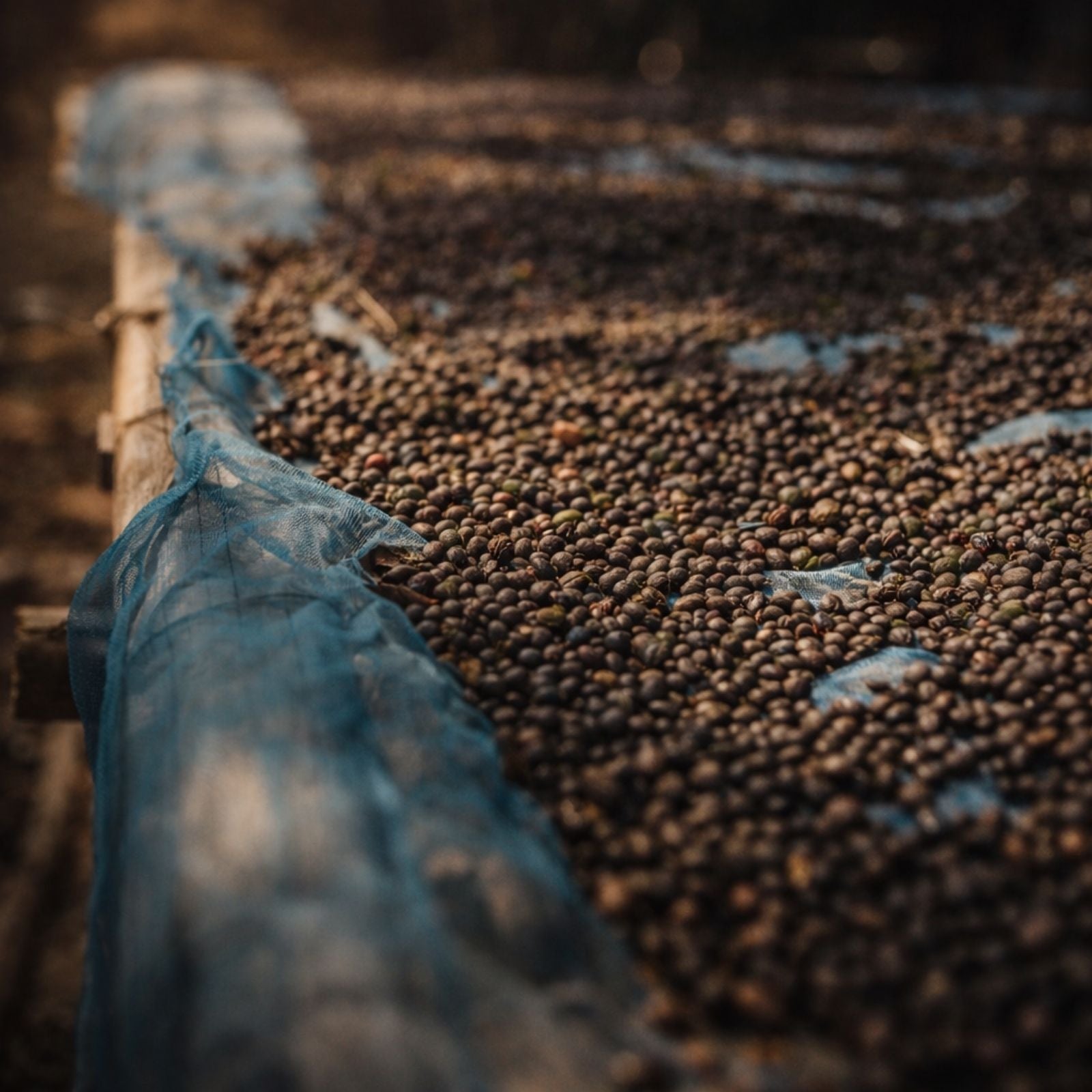
Natural / Dry Process
Widely used for Robusta and in some Arabica contexts, producing heavier body, increased sweetness, and bold flavor profiles.
Honey Processing
Limited and experimental, retaining some mucilage to enhance sweetness and mouthfeel.
Anaerobic Fermentation
Increasingly explored by specialty producers to intensify aromatics and complexity.
Extended & Controlled Fermentation
Lengthened or carefully managed fermentations designed to shape acidity, sweetness, and texture.
Carbonic Maceration & Sealed Fermentation Techniques
Experimental sealed fermentations adapted from winemaking, producing distinctive aromatic profiles in small volumes.
Flavor Profiles & Cup Characteristics
Ugandan Arabica coffees are generally clean and balanced, with medium to bright acidity, refined sweetness, and medium body. Flavor notes often include citrus, stone fruit, caramel, chocolate, and subtle floral elements.
Ugandan Robusta coffees are bold and structured, with heavy body, low acidity, high caffeine content, and flavor notes that may include cocoa, grain, earth, and spice.
Harvest Seasons & Coffee Availability
Uganda benefits from two harvest seasons due to its equatorial climate. Main harvests typically occur from October through February and a secondary harvest from April through June, supporting extended availability throughout the year.
Quality Standards & Classification Systems
Coffee quality in Uganda is assessed through physical grading and sensory evaluation. Distinction between Arabica and Robusta grading systems is central, with specialty Arabica increasingly achieving high scores as washing station infrastructure and quality control improve.
Sustainability, Farming Structure & Challenges
Ugandan coffee production is overwhelmingly smallholder-based. Challenges include climate variability, infrastructure gaps, and fluctuating market prices. Research initiatives, improved varietal distribution, and access to specialty markets are critical to improving farmer livelihoods and long-term sustainability.
Why Ugandan Coffee Stands Out
Uganda stands out for its dual role as a leading Robusta producer and an emerging source of high-quality Arabica. Few origins offer such clear contrast between species while maintaining increasing focus on quality, traceability, and specialty development.
Conclusion
Ugandan coffee reflects diversity at both the botanical and sensory levels. From bright, high-elevation Arabicas to powerful indigenous Robustas, Uganda continues to strengthen its position as a versatile and increasingly quality-driven coffee origin within the global market.
To explore the birthplace of coffee and the world’s greatest genetic diversity of Arabica, continue to Ethiopian coffee.