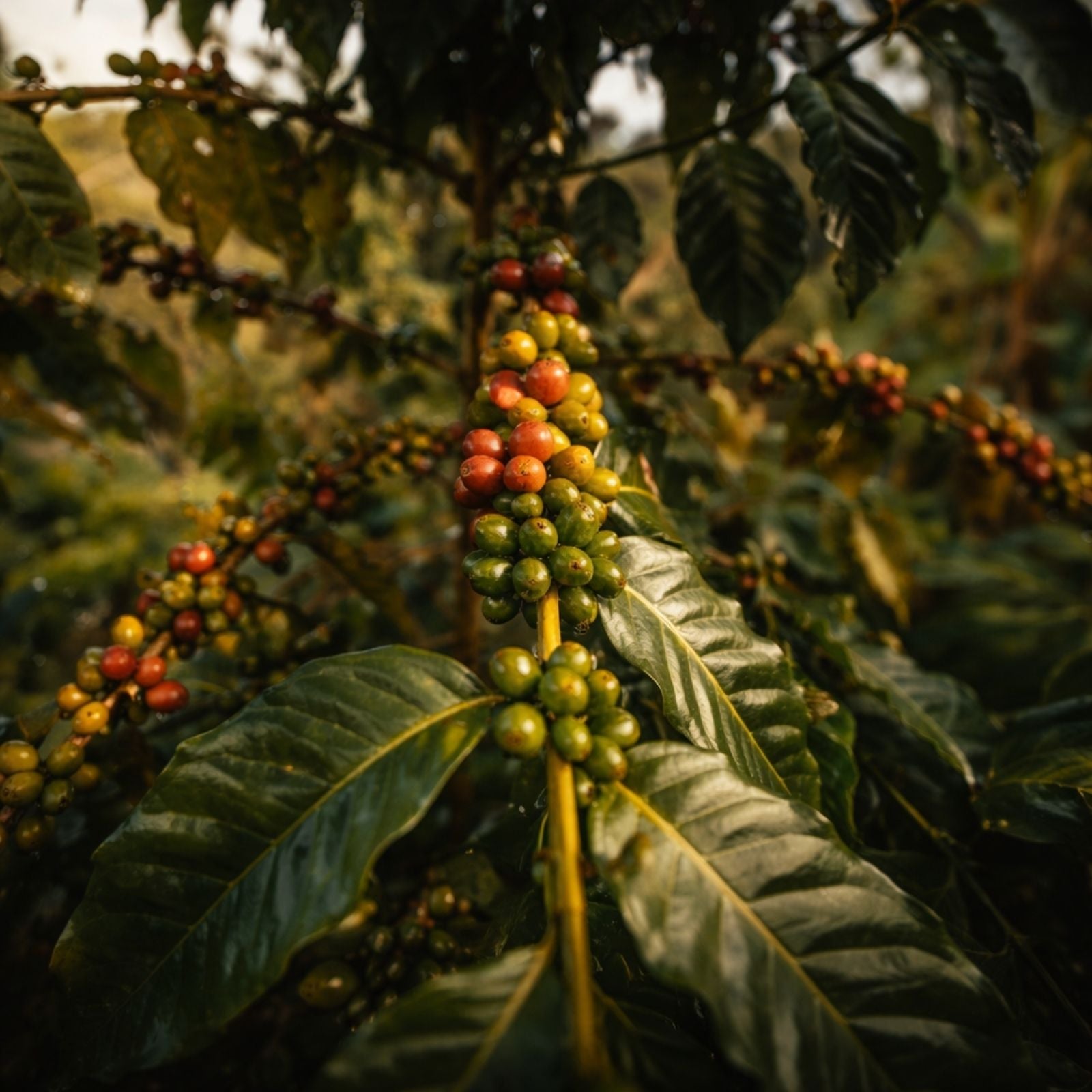
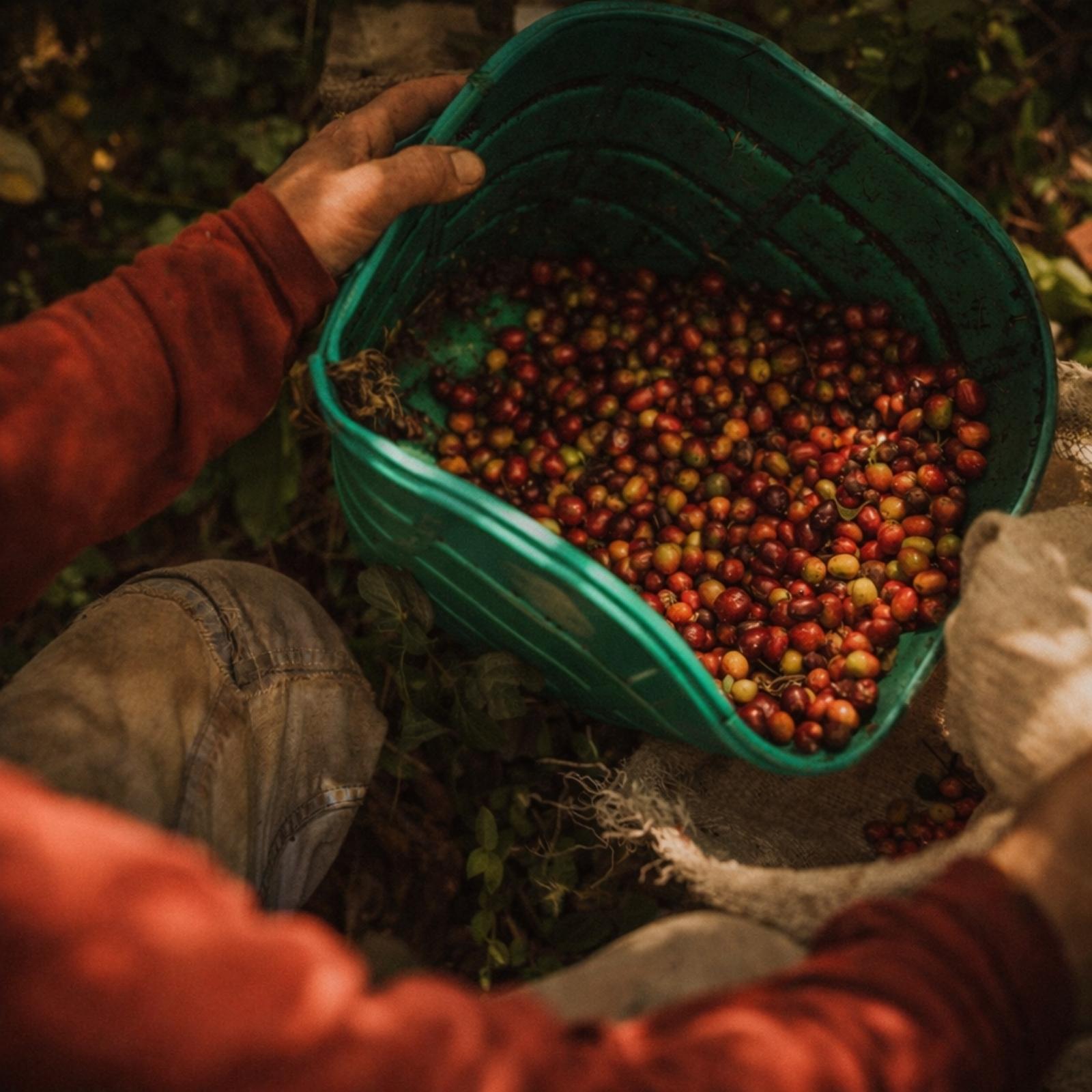
Kenya Coffee: History, Regions, Varietals, Processing Methods, and Flavor Profiles
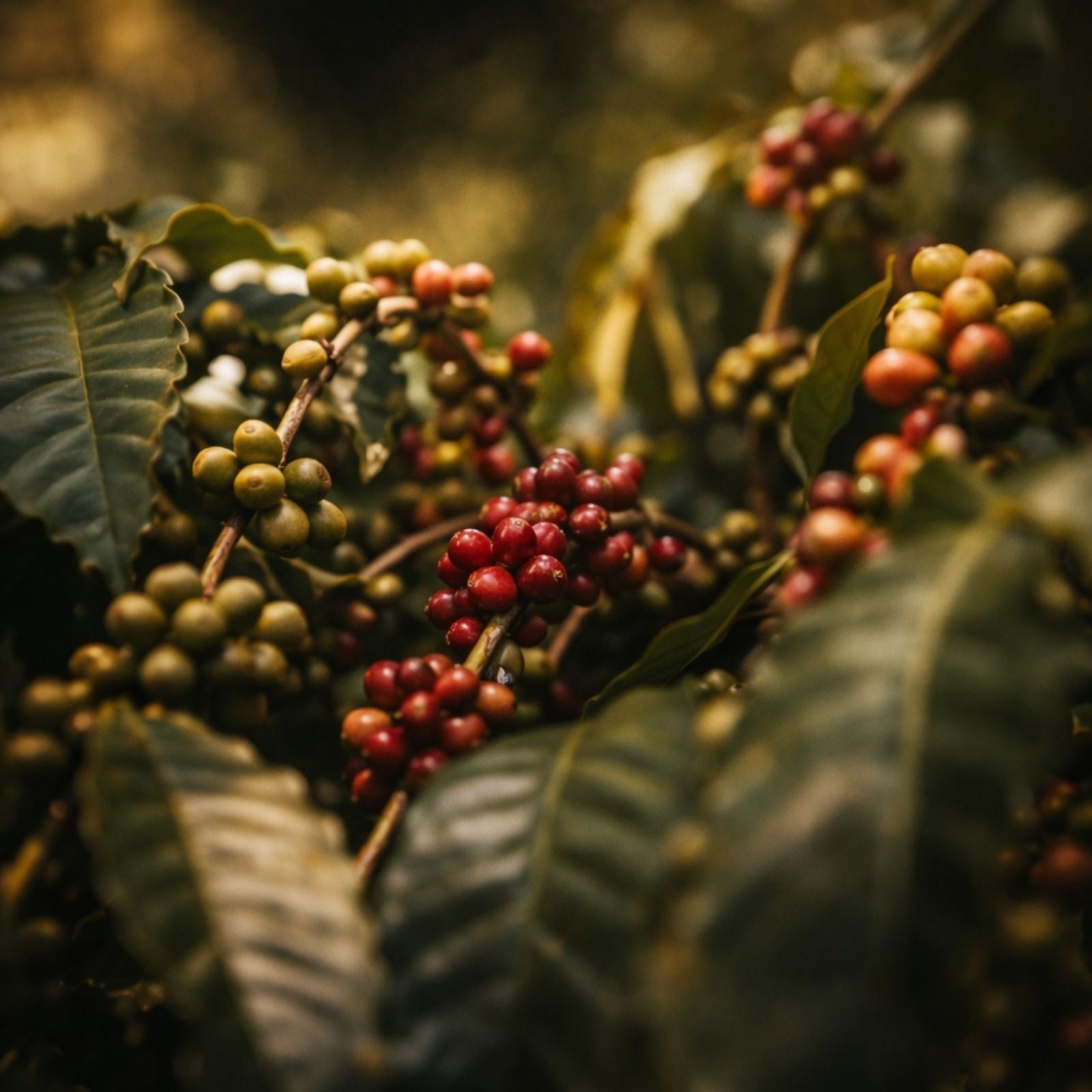
Coffee from Kenya is internationally recognized for its intensity, structure, and unmistakable acidity. Kenya has built one of the most rigorous quality and classification systems in the coffee world, producing coffees that are highly traceable, consistently expressive, and prized for their vibrant fruit character. Kenyan coffees are often defined by high elevations, meticulous washed processing, and distinctive varietals that deliver exceptional clarity and complexity.
History of Coffee in Kenya
Coffee was introduced to Kenya in the late 19th century during the colonial period. Early cultivation focused on highland areas where altitude, climate, and volcanic soils proved ideal for Arabica coffee. Over time, coffee became a significant export crop, supported by research institutions, cooperative structures, and centralized processing systems.
Following independence, Kenya expanded smallholder participation through cooperative societies and reinforced quality control through standardized wet mills and auction systems. These frameworks helped establish Kenya’s reputation as a producer of some of the world’s most consistently high-quality coffees.
Geography & Coffee-Growing Landscape
Kenya’s coffee-growing regions are concentrated in the central and eastern highlands, primarily surrounding Mount Kenya and the Aberdare Range. These areas feature volcanic soils, high elevations, and cool temperatures that slow cherry maturation.
Regular rainfall, strong day–night temperature variation, and careful farm management contribute to dense beans and pronounced acidity. Most coffee is grown by smallholder farmers on small plots, often intercropped with food crops.
Major Coffee-Growing Regions
Kenya’s producing regions are closely associated with distinct cup characteristics shaped by elevation and climate.
Nyeri
Often regarded as Kenya’s most prestigious region, Nyeri produces coffees with intense acidity, layered fruit sweetness, and exceptional structure, frequently showing blackcurrant, citrus, and stone fruit notes.
Kirinyaga
Known for bright acidity and clarity, Kirinyaga coffees often display juicy fruit character, floral aromatics, and refined sweetness.
Kiambu
Located near Nairobi, Kiambu produces structured coffees with balanced acidity, sweetness, and classic Kenyan fruit notes.
Murang’a
A high-elevation region producing sweet, balanced coffees with lively acidity and clean finish.
Embu
Situated on the eastern slopes of Mount Kenya, Embu coffees often show bright acidity, citrus notes, and medium body.
Elevation & Growing Conditions
Kenyan coffee is typically grown between approximately 1,400 and 2,000 meters above sea level, with some farms reaching higher elevations. Elevation contributes to slow cherry development, high bean density, and pronounced acidity.
Higher elevations tend to yield coffees with sharper acidity and greater aromatic intensity, while slightly lower elevations produce rounder sweetness and fuller body.
Coffee Varietals Grown in Kenya
Kenya is defined by a focused set of varietals developed for quality, resilience, and cup distinction.
Traditional & Historically Established Varietals
SL28 and SL34 are Kenya’s most iconic varietals, selected for their exceptional cup quality, drought tolerance, and expressive acidity. Bourbon-derived cultivars also form part of Kenya’s varietal foundation.
Modern & Hybrid Varietals
Ruiru 11 and Batian were developed to improve disease resistance while preserving Kenyan flavor characteristics. These varietals are increasingly planted to support farm sustainability without sacrificing quality.
Introduced & Limited Varietals
Small experimental plantings of other Arabica types exist, but Kenya remains strongly defined by its SL and locally developed varietals rather than widespread foreign introductions.
Processing Methods Used
Kenya is renowned for precision-focused processing, particularly its washed coffee protocols.
Washed / Fully Washed
The dominant method, featuring multi-stage fermentation and thorough washing that emphasizes clarity, acidity, and transparency of flavor.
Double Fermentation
A traditional Kenyan practice involving two fermentation stages, contributing to pronounced acidity and clean cup structure.
Extended & Controlled Fermentation
Lengthened or carefully managed fermentations used to refine acidity, sweetness, and mouthfeel.
Natural / Dry Process
Used sparingly, producing fruit-forward coffees with heavier body and reduced acidity compared to washed counterparts.
Honey Processing
Limited and experimental, retaining some mucilage to balance sweetness and acidity.
Anaerobic & Sealed Fermentation Techniques
Increasingly explored in specialty contexts to enhance aromatics and complexity.
Flavor Profiles & Cup Characteristics
Kenyan coffees are celebrated for intensity, brightness, and clarity. Common characteristics include high, vibrant acidity, medium body, pronounced sweetness, and a long, clean finish.
Flavor notes often include blackcurrant, red berries, citrus, stone fruit, tomato-like savory acidity, florals, and sweet herbal nuances, with variation driven by region, elevation, varietal, and processing.
Harvest Seasons & Coffee Availability
Kenya typically experiences two harvest cycles: a main crop harvested from October through December and a smaller fly crop harvested from May through July. Availability varies by region and elevation.
Quality Standards & Classification Systems
Kenya operates one of the world’s most structured coffee classification systems, grading coffees by bean size, density, and cup quality. The auction system reinforces transparency and quality differentiation, with specialty coffees frequently achieving very high scores.
Sustainability, Farming Structure & Challenges
Kenyan coffee production is largely smallholder-based, organized through cooperative societies. Challenges include climate variability, rising production costs, and aging coffee trees. Research institutions, varietal development, and quality premiums play critical roles in sustaining long-term production.
Why Kenyan Coffee Stands Out
Kenya stands out for its unmatched acidity structure, transparent processing, and focused varietal identity. Few origins deliver such consistent intensity and clarity, making Kenyan coffee a benchmark for bright, fruit-driven profiles in specialty coffee.
Conclusion
Kenyan coffee represents precision, structure, and expressive acidity at the highest level. Through its highland terroir, distinctive varietals, and rigorous processing standards, Kenya continues to produce coffees that define excellence in the specialty coffee world.
For an East African origin known for washed Bourbon coffees emphasizing balance and clarity, continue to Rwandan coffee.