Under-Extracted vs Over-Extracted Coffee: How to Tell the Difference

Great coffee isn’t just about the beans—it’s about extraction. Even exceptional coffee can taste thin, harsh, or unbalanced if extraction is off. Understanding the difference between under-extracted and over-extracted coffee is one of the most important skills for improving flavor at home.
Extraction isn’t guesswork. It follows clear sensory patterns that can be learned, corrected, and repeated.
What Extraction Actually Means
Extraction is the process of dissolving flavor compounds from coffee grounds into water. These compounds extract in a predictable order:
- Acids and bright aromatics
- Sugars and sweetness
- Bitters, tannins, and dry compounds
Balanced coffee captures enough of the first two stages without pulling too much from the third. Problems occur when extraction stops too early—or goes too far.
Under-Extracted Coffee
What It Tastes Like
Under-extracted coffee often presents as:
- Sour or sharp acidity
- Thin or hollow body
- Weak sweetness
- Short, abrupt finish
The coffee may taste bright, but not in a pleasant way. Instead of clarity, it feels incomplete.
Why It Happens
Under-extraction occurs when water doesn’t spend enough time or contact with the coffee. Common causes include:
- Grind size too coarse
- Brew time too short
- Water temperature too low
- Too little coffee relative to water
- Uneven grinding or channeling
In these cases, sugars and balancing compounds are left behind in the grounds.
Over-Extracted Coffee
What It Tastes Like
Over-extracted coffee reminds most people immediately of bitterness:
- Harsh or astringent bitterness
- Dry, mouth-coating finish
- Muted sweetness
- Dull or muddy flavors
The coffee may feel heavy but unpleasant, lingering in a way that’s drying rather than rich.
Why It Happens
Over-extraction occurs when water pulls too much from the coffee, including bitter compounds. This is often caused by:
- Grind size too fine
- Brew time too long
- Excessively hot water
- Too much agitation
- Overly slow drawdown
Once bitterness dominates, the original character of the coffee is obscured.
Balanced Extraction: What You’re Aiming For
Properly extracted coffee should feel:
- Sweet before bitter
- Structured but clean
- Clear in flavor definition
- Balanced from first sip to finish
Acidity should feel lively, not sharp. Bitterness should support structure, not overwhelm.
How to Diagnose Extraction Problems
A simple tasting approach:
- Sour, thin, sharp → Under-extracted
- Bitter, dry, harsh → Over-extracted
If coffee tastes both sour and bitter, the issue is often uneven extraction, usually caused by inconsistent grind size or poor brewing technique.
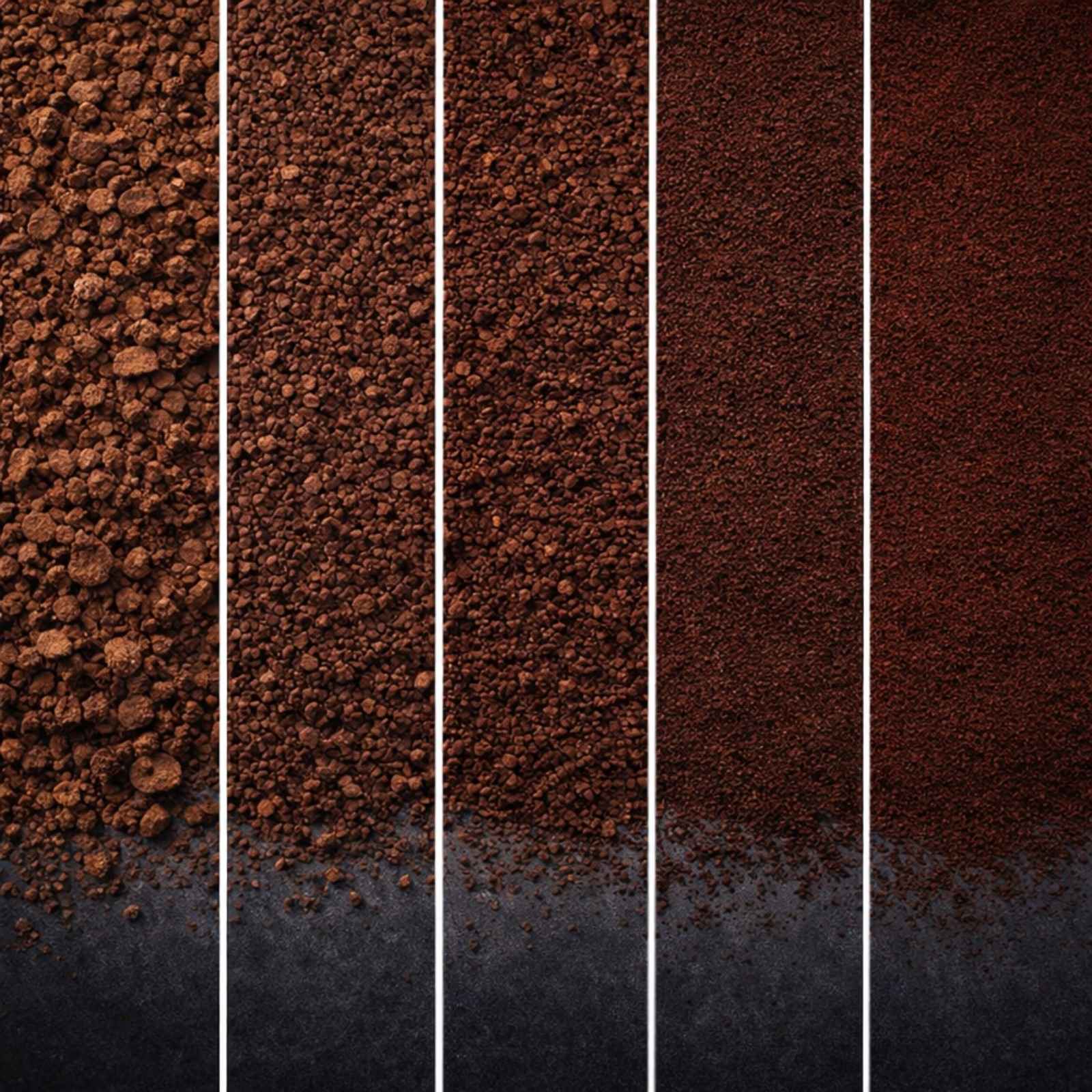
The Most Effective Fix: Grind Size
Among all brewing variables, grind size has the greatest impact on extraction.
- Too coarse → water passes too quickly → under-extraction
- Too fine → water moves too slowly → over-extraction
Before changing brew time, dose, or temperature, adjust grind size first. Small changes make a significant difference.
Brewing Method Matters Less Than You Think
While different brewing methods emphasize different characteristics, extraction principles remain the same. A poorly extracted pour-over and a poorly extracted French press fail for the same reasons.
Consistency—not complexity—is what produces repeatable results.
The Bottom Line
Under-extracted coffee tastes sour and incomplete. Over-extracted coffee tastes bitter and harsh. Both are signs of imbalance, not bean quality.
Learning to identify these differences allows you to correct brewing issues quickly and intentionally. Once extraction is dialed in, coffee becomes clearer, sweeter, and more expressive—without changing the coffee itself.
Extraction problems are most often caused by grind size. This is why grind size matters more than the brewing method when dialing in coffee. If bitterness is the main issue, this guide explains the cause in why coffee tastes bitter.