Why Grind Size Matters More Than Brewing Method
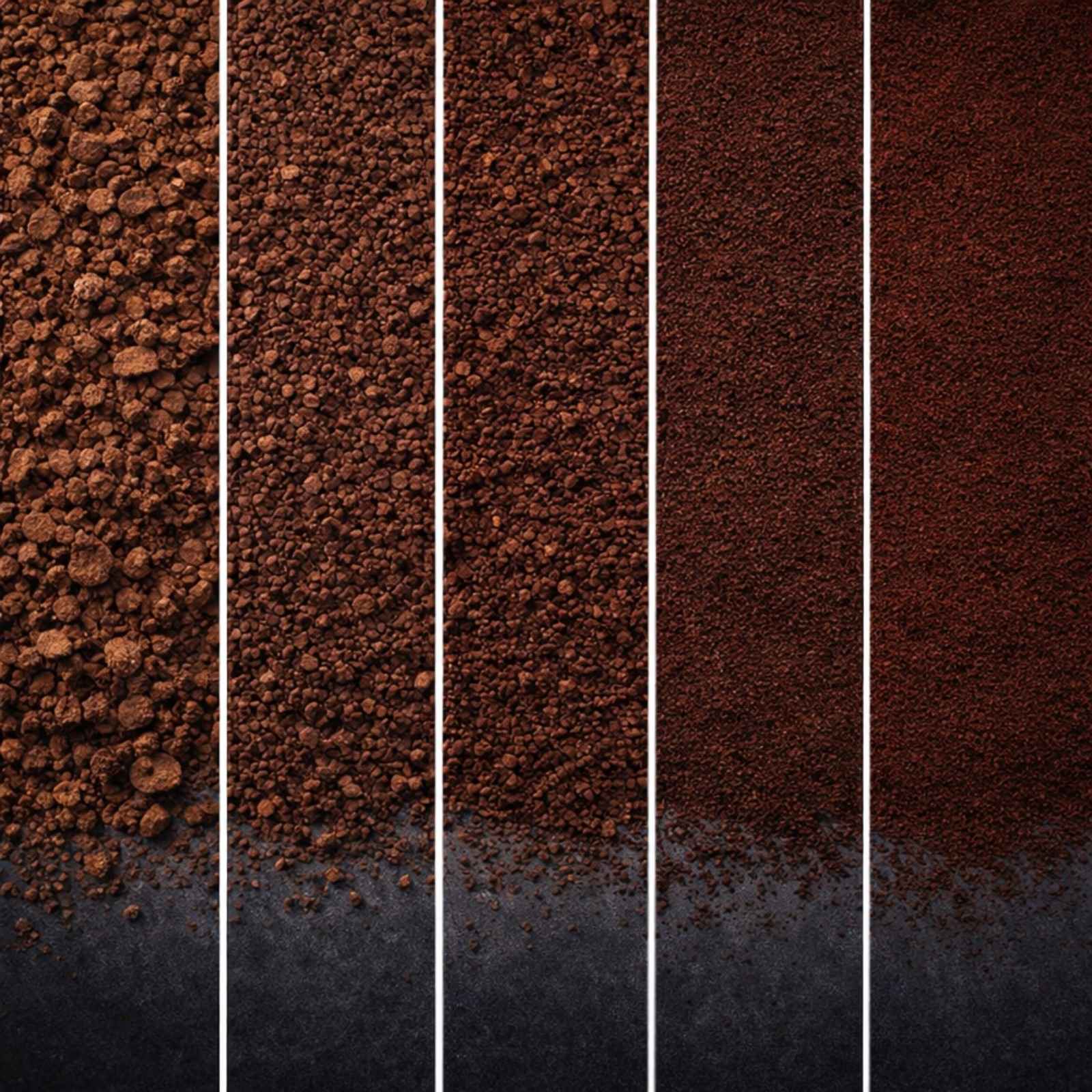
When coffee doesn’t taste right, most people blame the brewing method. French press versus pour-over. Drip versus espresso. But in practice, grind size has a far greater impact on flavor than the brewer itself.
Before water temperature, equipment, or technique can matter, coffee must extract correctly. Grind size controls how that extraction happens.
Extraction Is About Contact, Not Equipment
Coffee brewing is a controlled extraction. Water dissolves soluble compounds from coffee grounds over time.
Grind size determines:
- How much surface area is exposed
- How quickly water extracts flavor
- Whether extraction is even or uneven
A perfect brewer cannot fix incorrect grind size. The water will either extract too much or too little, regardless of method.
What Grind Size Actually Controls
Grind size directly affects flow rate and extraction speed.
- Finer grinds slow water flow and extract faster
- Coarser grinds speed up flow and extract more slowly
Every brewing method has a grind range that allows water contact long enough to extract sweetness without pulling bitterness.
When grind size is wrong, flavor problems appear immediately.
Under-Extraction vs Over-Extraction
Incorrect grind size causes predictable defects.
Grind Too Coarse
- Sour or sharp acidity
- Hollow or weak body
- Short, empty finish
Water moves too quickly to dissolve enough flavor.
Grind Too Fine
- Bitterness and dryness
- Muted sweetness
- Heavy or harsh finish
Water extracts too aggressively and pulls undesirable compounds.
These issues occur regardless of brew method.
Why Brew Method Changes Less Than You Think
Most brewing methods differ mainly in how water contacts coffee, not in how extraction works chemically.
A poorly ground pour-over will taste worse than a properly ground French press. A well-ground drip brew will outperform an espresso-style setup with incorrect grind.
Brewers shape the experience. Grind size controls the result.
Grind Size Is the Primary Adjustment Tool
When coffee tastes off, grind size should be the first variable adjusted.
Before changing:
- Brew method
- Water temperature
- Coffee ratio
Adjust grind size.
Small changes often fix:
- Excess bitterness
- Sharp acidity
- Flat or muted cups
This makes brewing more predictable and repeatable.
Consistency Matters as Much as Size
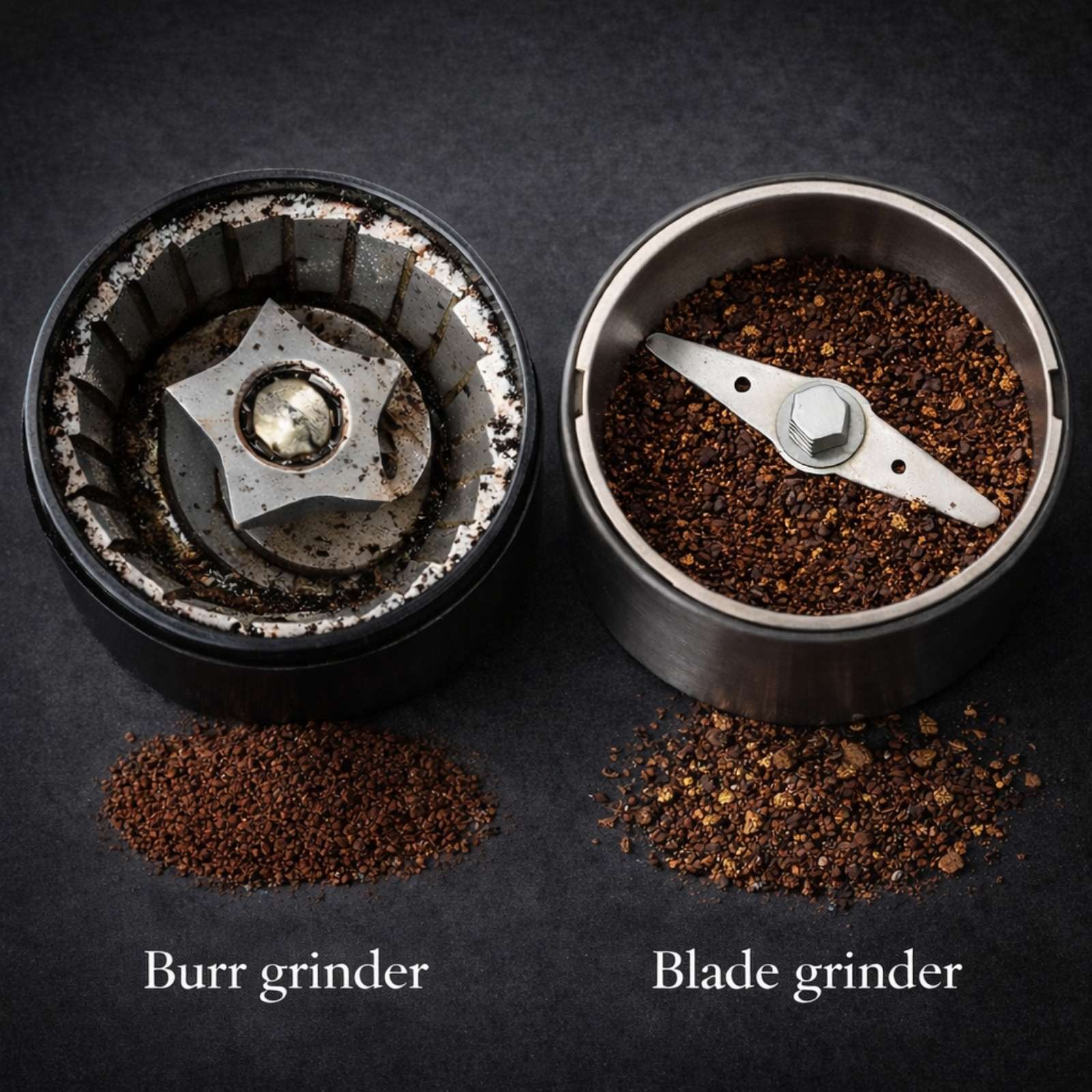
Even the correct grind size fails if particle sizes are inconsistent.
Uneven grounds cause:
- Simultaneous over- and under-extraction
- Mixed bitterness and sourness
- Loss of clarity and sweetness
This is why grinder quality matters more than brewer choice.
Brew Method Fine-Tunes the Result
Once grind size is correct, brewing method becomes meaningful.
Method influences:
- Body and texture
- Clarity versus richness
- Flavor emphasis
But these are refinements—not see-saw fixes for extraction problems.
Grind size sets the foundation. Brew method builds on it.
The Bottom Line
Grind size matters more than brewing method because it directly controls extraction. When grind size is incorrect, no brewer can compensate. When grind size is correct, nearly any brewing method can produce a balanced, flavorful cup.
Mastering grind size simplifies brewing, improves consistency, and unlocks better coffee without chasing equipment.
Grind size controls extraction speed, which is why mistakes often show up as bitterness or sourness. Learn how to recognize the difference in under-extracted and over-extracted coffee and achieving consistent grind size covered in blade versus burr grinders.