Why Your Coffee Tastes Bitter (And It’s Not the Beans)
Bitterness is one of the most common complaints about coffee—and one of the most misunderstood.
When coffee tastes bitter, many people assume the beans are low quality, over-roasted, or simply “bad.” In reality, bitterness is almost always the result of how the coffee was brewed, not the coffee itself.
Understanding where bitterness comes from—and how to prevent it—can dramatically improve cup quality without changing the coffee you buy.
Bitterness Is a Brew Variable, Not a Flavor Defect
Coffee naturally contains bitter compounds. In a well-brewed cup, those compounds are balanced by sweetness, acidity, and aromatics.
Bitterness becomes unpleasant only when extraction goes too far.
This happens when water pulls excessive compounds from the coffee grounds—particularly harsh, astringent elements that overwhelm the cup.
Over-Extraction: The Primary Cause of Bitterness
Over-extraction occurs when too much is dissolved from the coffee during brewing.
This typically results in:
- Harsh bitterness
- Dry, astringent mouthfeel
- Muted sweetness
- A lingering, unpleasant finish
Common causes of over-extraction include grind size, brew time, water temperature, and ratio.
Grind Size: The Most Common Culprit
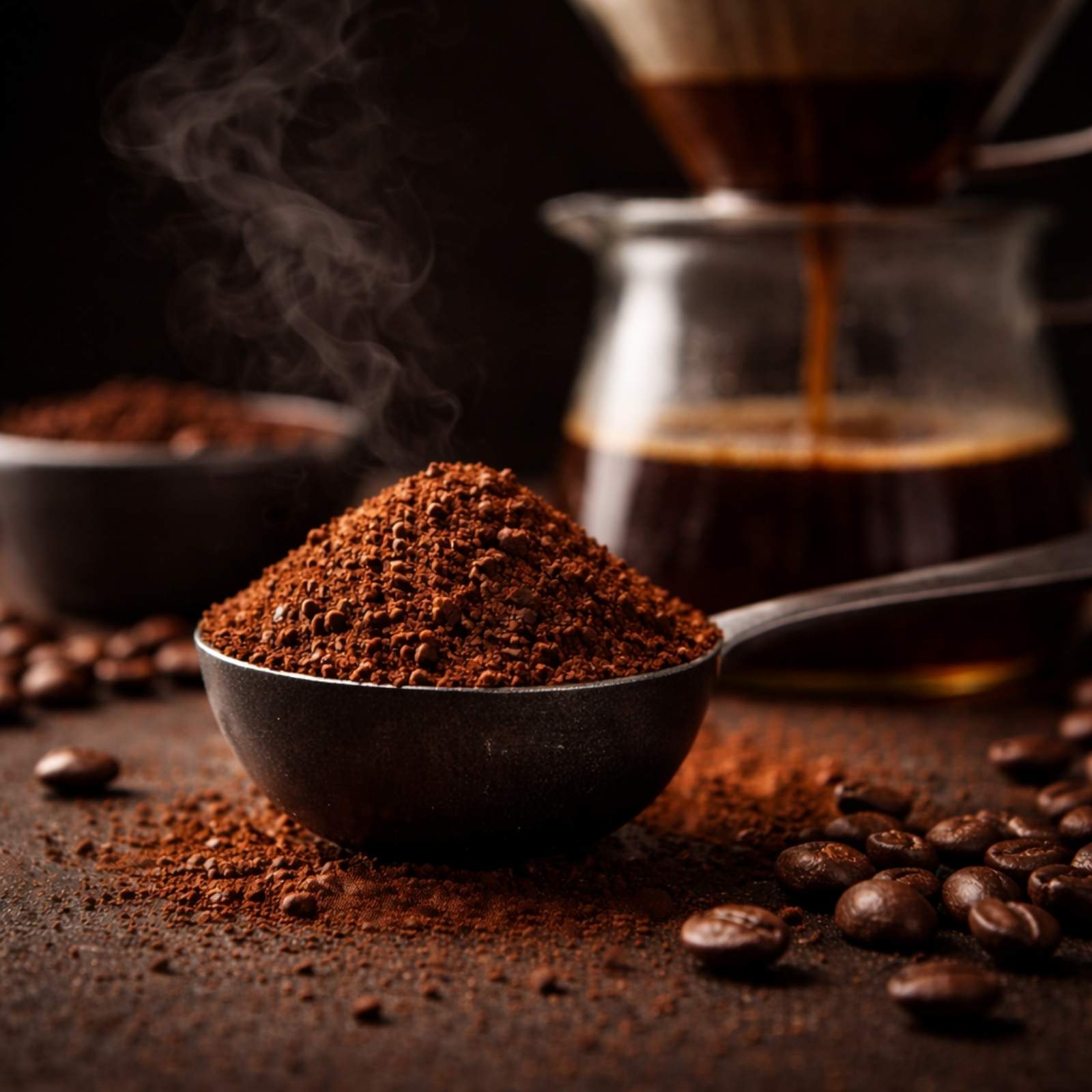
Grind size controls how quickly water extracts flavor.
When coffee is ground too fine:
- Water extracts too much, too fast
- Bitter compounds dominate
- Sweetness is stripped away
This is especially common when using:
- Blade grinders
- Pre-ground coffee
- A grind that doesn’t match the brew method
Even high-quality coffee will taste bitter if the grind is incorrect.
Brew Time and Contact Time Matter
Leaving coffee in contact with water for too long leads to over-extraction.
Examples include:
- Letting French press coffee sit after plunging
- Brewing pour-over too slowly
- Letting drip coffee sit on a hot plate
Once optimal extraction is reached, continuing to brew only pulls bitterness.
Water Temperature Can Push Extraction Too Far
Water that is too hot accelerates extraction.
Ideal brewing temperature sits around 195–205°F (90–96°C).
Above this range:
- Bitter compounds extract more aggressively
- Delicate aromatics degrade
- Balance is lost
This is especially noticeable in lighter roasts, which are more sensitive to temperature.
Ratios and Strength Confusion
Bitterness is often confused with strength.
Using too much coffee does not cause bitterness—but using too much extraction does.
Similarly:
- Weak coffee can still be bitter
- Strong coffee can still be sweet and balanced
Bitterness is about what is extracted, not how much coffee is used.
Roast Level Is Rarely the Real Problem
Dark roasts are often blamed for bitterness, but roast level alone isn’t the issue.
Many dark-roasted coffees taste bitter because they are:
- Brewed too fine
- Brewed too hot
- Brewed too long
When brewed correctly, even darker roasts can be smooth, sweet, and balanced.
How to Reduce Bitterness Immediately
To fix bitter coffee:
- Grind slightly coarser
- Reduce brew time
- Lower water temperature slightly
- Ensure proper brew ratios
- Remove coffee from heat after brewing
Small adjustments make a significant difference.
The Bottom Line
If your coffee tastes bitter, the beans are rarely to blame.
Bitterness almost always comes from over-extraction caused by grind size, time, temperature, or technique. Once these variables are corrected, sweetness, balance, and clarity return—often using the very same coffee that previously tasted harsh.
Bitterness is usually a sign of over-extraction rather than poor coffee quality. To understand how extraction affects flavor, read about under-extracted and over-extracted coffee.
Grinder consistency also plays a major role in bitterness, especially when using blade grinders—explained in blade versus burr grinders.