Understanding Coffee Roast Levels: Light-Medium, Medium, and Medium-Dark
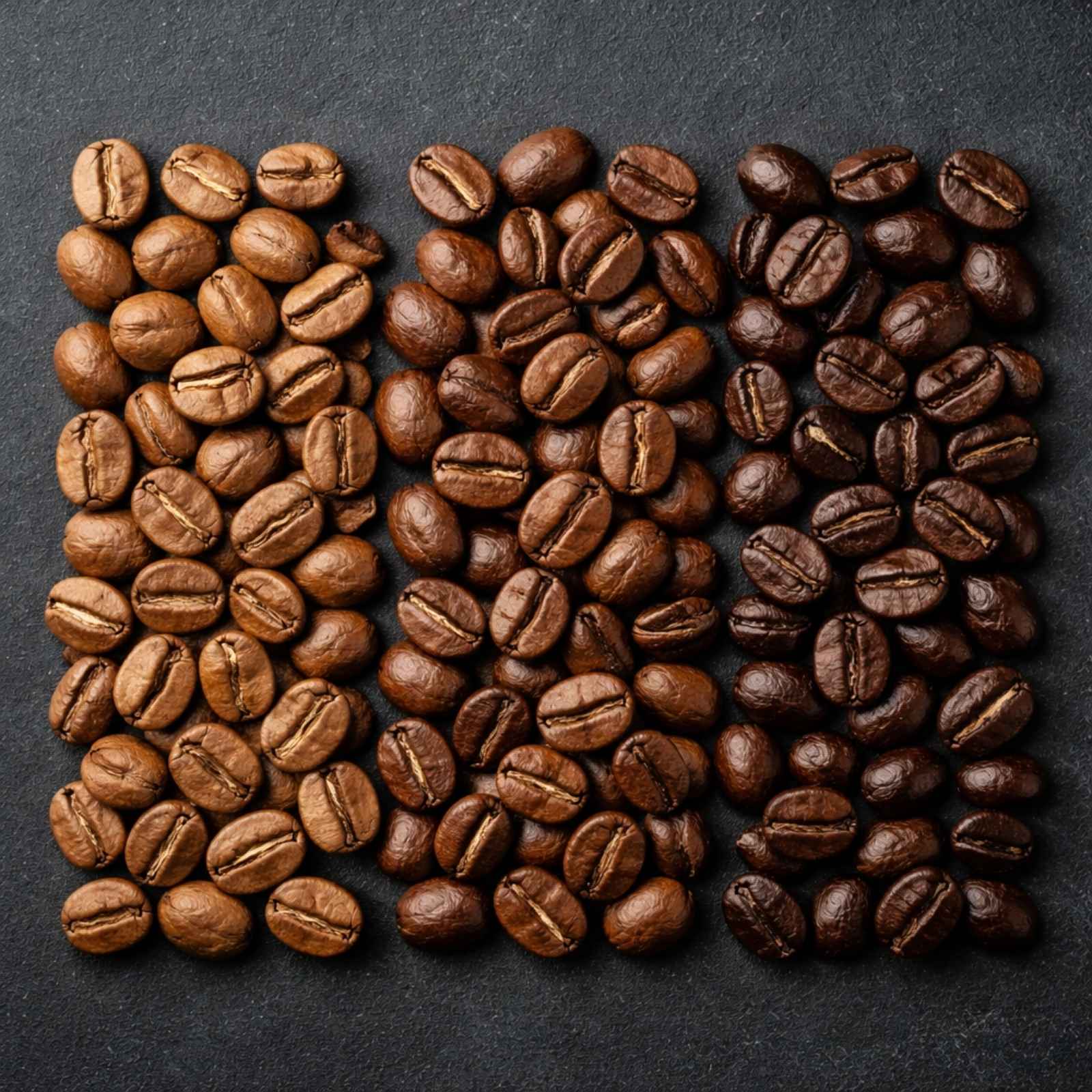
Coffee roast level plays a defining role in aroma, flavor, body, acidity, and overall cup character. While origin, variety, and processing shape a coffee’s potential, roast development determines how that potential is expressed in the cup.
This guide breaks down Light-Medium, Medium, Medium-Dark roasts—what they are, how they differ, and what to expect from each—without marketing hype or oversimplification.
How Roast Level Affects Coffee
As green coffee is roasted, heat triggers a series of chemical reactions:
- Maillard reactions develop sweetness and complexity
- Caramelization transforms sugars
- Acids degrade as roast progresses
- Cell structure breaks down, affecting body and solubility
Each roast level represents a different balance point between these changes.
Light-Medium Roast
Light-medium roasts sit just beyond traditional light roasts, allowing the coffee to develop sweetness while preserving origin character.
Flavor Profile
- Bright but refined acidity
- Clean sweetness
- Distinct origin notes (fruit, florals, citrus, honey)
- Transparent expression of terroir
Body & Mouthfeel
- Light to medium body
- Crisp, structured mouthfeel
What It Highlights
- Origin
- Variety
- Processing method
- High-quality green coffee
Best Uses
- Pour-over methods
- Manual brewers
- Drinkers who value clarity and complexity
Light-medium roasts are often favored for high-scoring specialty coffees, where nuance and definition matter most.
Medium Roast
Medium roasts balance origin character with roast development, making them one of the most versatile and widely enjoyed profiles.
Flavor Profile
- Balanced acidity and sweetness
- Caramelized sugars
- Notes of chocolate, nut, and gentle fruit
- Reduced sharpness compared to lighter roasts
Body & Mouthfeel
- Medium body
- Smooth and rounded texture
What It Highlights
- Sweetness
- Balance
- Approachability
Best Uses
- Drip coffee
- Pour-over
- Espresso (modern styles)
Medium roasts offer a harmonious middle ground, appealing to a wide range of palates without sacrificing quality.
Medium-Dark Roast
Medium-dark roasts push development further, emphasizing body and richness while softening acidity.
Flavor Profile
- Dark chocolate
- Toasted sugars
- Mild smokiness
- Lower acidity
- Subdued origin notes
Body & Mouthfeel
- Fuller body
- Heavier mouthfeel
- Rich, coating texture
What It Highlights
- Roast character
- Depth
- Comfort and intensity
Best Uses
- Espresso
- Milk-based drinks
- Drinkers who prefer bold but not bitter coffee
At this stage, roast influence becomes more dominant than origin, but balance is still possible when executed carefully.
Common Misconceptions About Roast Levels
“Darker coffee is stronger”
Strength is determined by brew ratio and extraction, not roast color.
“Lighter roasts have more caffeine”
Differences are minimal and largely irrelevant in practical brewing.
“Darker roasts hide defects”
Poor roasting can hide some flaws, but high-quality green coffee always matters.
Choosing the Right Roast Level
The best roast is not about light versus dark—it’s about what you value in the cup:
Clarity and origin → Light-Medium
Balance and sweetness → Medium
Richness and body → Medium-Dark
Understanding roast levels allows you to choose coffee intentionally rather than by habit.
Final Thoughts
Roast level is a powerful tool, but it should never overpower the quality of the coffee itself. When roasting is precise and intentional, each level offers a distinct and valid expression of the bean.
The goal is not to chase darkness or brightness—but to respect the coffee and roast it to its best possible expression.
Roast levels are determined by roast development, and common myths about caffeine content are often tied to misunderstandings about roasting.