Caffeine in Coffee: Everything You Need to Know
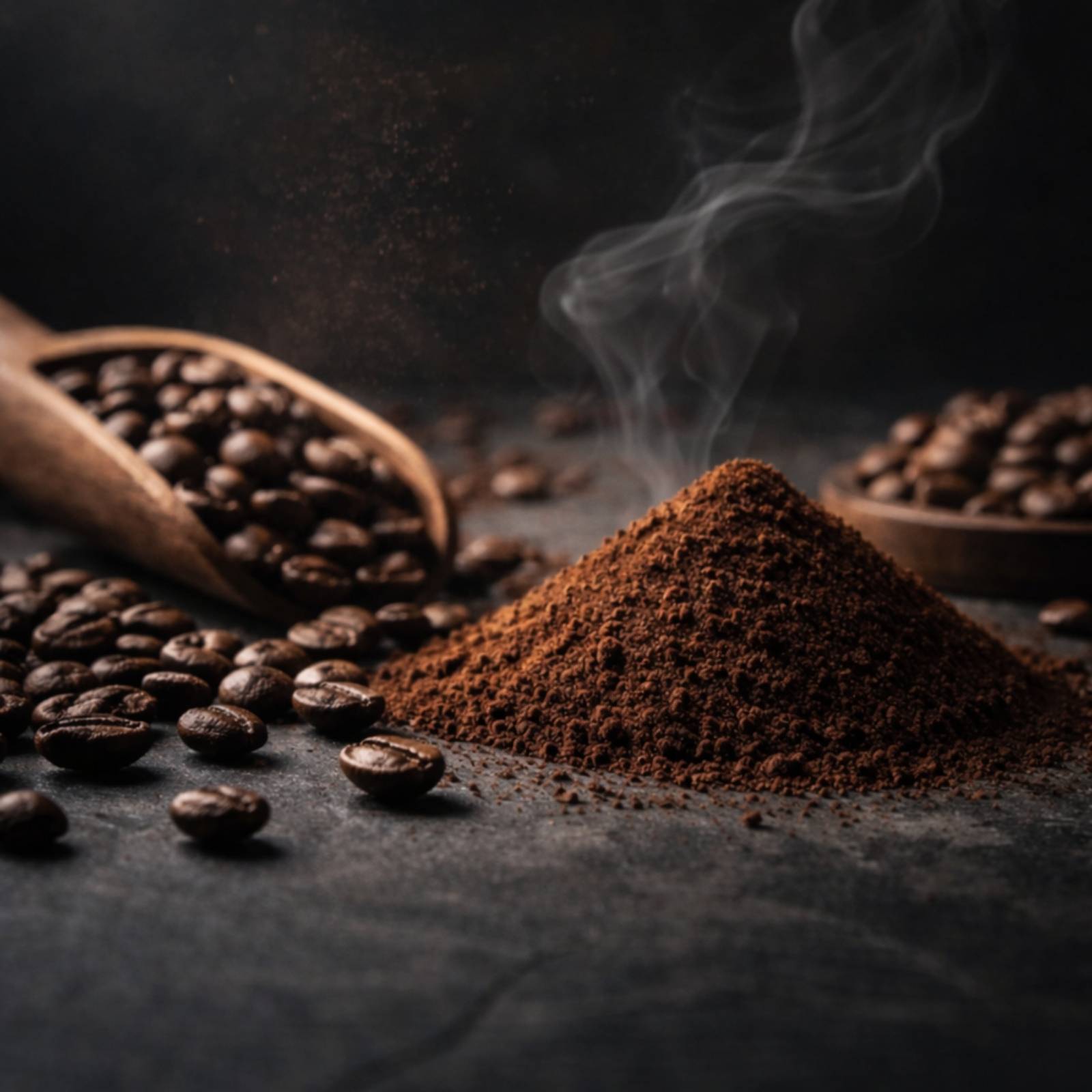
Caffeine is one of the most discussed—and most misunderstood—components of coffee. From roast level myths to espresso misconceptions, conflicting advice has left many coffee drinkers unsure what actually affects caffeine content.
This guide breaks down exactly what determines caffeine in coffee, what doesn’t, and how different variables interact—leaving no questions unanswered.
What Is Caffeine?
Caffeine is a naturally occurring alkaloid found in coffee seeds (commonly called coffee beans). It acts as a central nervous system stimulant, increasing alertness and reducing perceived fatigue.
In coffee, caffeine is:
- Water soluble
- Heat stable during roasting
- Present in both Arabica and Robusta (in different amounts)
Does Roast Level Affect Caffeine?
Not in a meaningful way.
Roasting does not significantly increase or destroy caffeine. Caffeine remains relatively stable throughout the roasting process.
Lighter vs Darker Roasts
- Lighter roasts may retain slightly more caffeine by weight
- Darker roasts may contain slightly less caffeine by weight
However, the difference is negligible in real-world brewing, especially espresso.
Why this myth persists:
- Darker roasts taste stronger and more bitter, which many people associate with “more caffeine”
- Beans lose mass during roasting, which affects volume-based measurements
Bottom line:
Roast level alone does not meaningfully determine caffeine content.
What Actually Determines Caffeine Content?
Caffeine content is driven by a combination of factors—not a single variable.
1. Coffee Species
- Arabica: Lower caffeine, more aromatic complexity
- Robusta: Roughly 1.5–2× more caffeine, harsher flavor profile
Most specialty coffee uses high-quality Arabica, prioritizing flavor clarity over raw caffeine quantity.
2. Dose (How Much Coffee You Use)
This is the largest factor.
More coffee grounds = more caffeine, regardless of roast.
A larger dose of a light roast will always contain more caffeine than a smaller dose of a dark roast.
3. Brew Ratio & Extraction
Caffeine extracts quickly, early in the brew.
- Higher extraction = more caffeine pulled into the cup
- Longer contact time increases caffeine up to a point
This is why brew method matters—but not always how people expect.
Does Espresso Have More Caffeine Than Drip Coffee?
Per ounce, yes. Per cup, usually no.
- Espresso is concentrated, so it has more caffeine per ounce
- Drip coffee is served in larger volumes, so it usually contains more total caffeine per cup
Approximate averages:
- Single espresso shot: ~60–70 mg caffeine
- 8–12 oz brewed coffee: ~95–150 mg caffeine
Espresso feels stronger because of concentration and delivery speed, not total caffeine load.
Best Roast Level for Espresso (Flavor vs Caffeine)
Espresso is a brew method, not a roast level.
For flavor balance, most high-quality espresso performs best between:
- Light-medium
- Medium
This range provides:
- Balanced sweetness
- Proper solubility
- Structure and body
- Preserved origin character
Darker roasts trade acidity and clarity for roast-forward intensity and bitterness. Modern specialty espresso often avoids extreme darkness to maintain complexity.
Caffeine differences between these roast levels remain minimal.
Does Grind Size Affect Caffeine?
Indirectly.
- Finer grinds extract faster and more thoroughly
- Coarser grinds extract more slowly
Because caffeine extracts early, grind size has less impact on caffeine than it does on flavor—but extreme changes can still influence final content slightly.
Does Brewing Time Matter?
Yes, but less than most people think.
- Caffeine extracts early in the brew
- Extended brew times mostly increase bitterness and over-extraction, not dramatic caffeine spikes
This is why cold brew isn’t automatically “stronger”—it’s typically brewed with more coffee, not because time alone creates more caffeine.
Are Darker Roasts Easier on the Stomach?
Sometimes, but not because of caffeine.
Darker roasts:
- Have lower acidity
- Break down certain compounds during roasting
Sensitivity varies by individual. Caffeine content is not the primary reason some people tolerate darker roasts better.
Can You Control Caffeine Without Sacrificing Flavor?
Yes.
Options include:
- Adjusting dose size
- Choosing high-quality Arabica
- Brewing shorter ratios
- Selecting naturally lower-caffeine origins
Flavor quality and caffeine content are not mutually exclusive.
The Takeaway
Caffeine content in coffee is shaped by:
- Coffee species
- Dose
- Brew method
- Extraction
Not by roast level alone.
In practical terms:
- Caffeine differences between lighter and darker roasts are minimal
- Espresso does not automatically contain more caffeine than brewed coffee
- Flavor balance and quality matter more than chasing caffeine myths
Understanding these variables allows you to choose coffee intentionally—for flavor, balance, and experience, not assumptions.
Caffeine content is often misunderstood. Learn how roast level differences affect perception, and how specialty coffee standards relate to quality rather than caffeine strength.