What Do Coffee Tasting Notes Actually Mean?
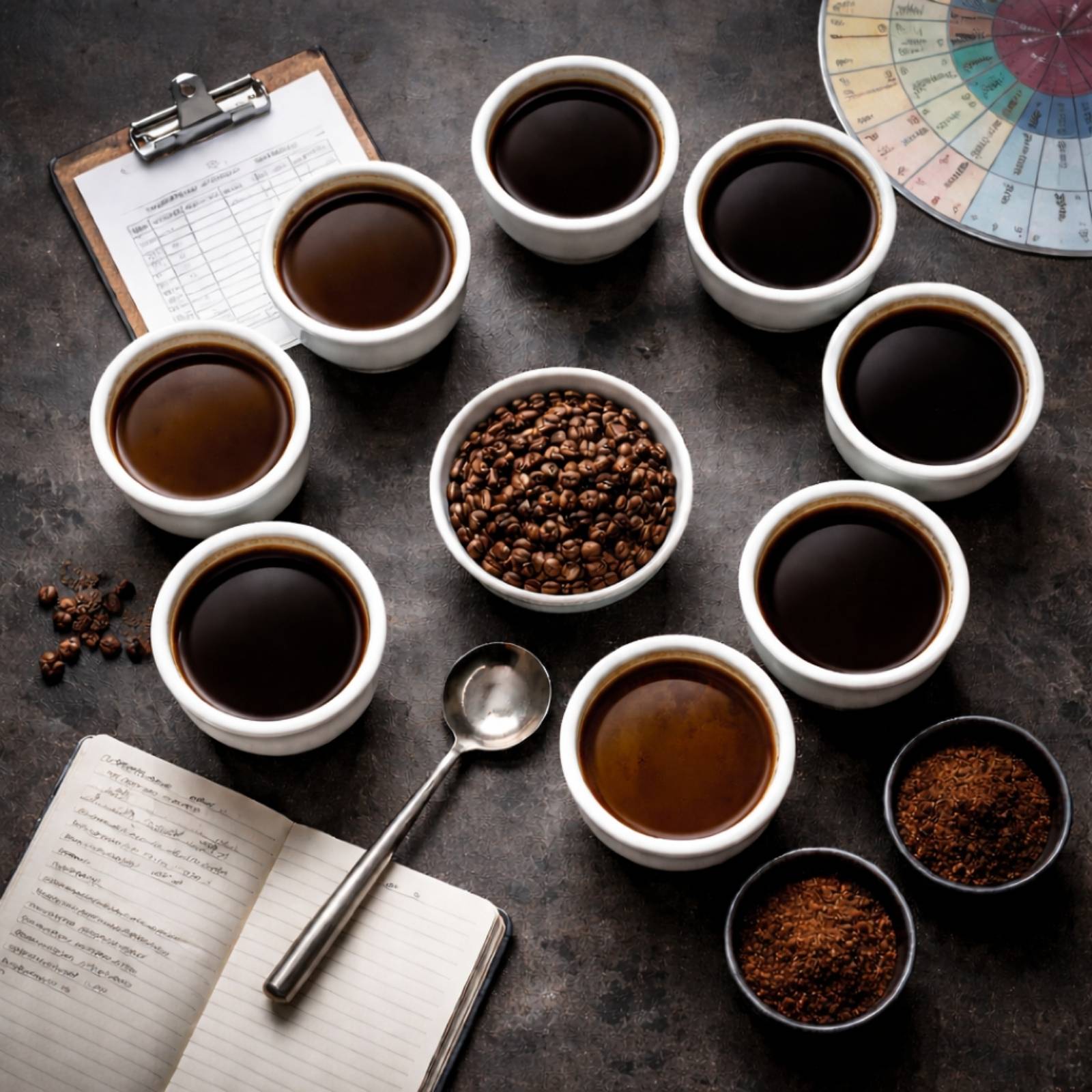
Coffee tasting notes are one of the most misunderstood aspects of specialty coffee. When a coffee is described as having notes of honey, citrus, cocoa, or floral aromatics, these are not added flavors and do not mean the coffee contains those ingredients.
Instead, tasting notes are a way to describe natural sensory characteristics that develop through origin, variety, processing, and roasting.
This guide explains what tasting notes actually mean, how they are identified, and how they relate to roast level and overall cup experience.
What Coffee Tasting Notes Are (and Are Not)
Tasting notes are descriptors, not ingredients.
They are used to communicate:
- Aroma
- Flavor
- Mouthfeel
- Aftertaste
They are identified through sensory evaluation, often during cupping, by comparing coffee flavors to familiar references.
Tasting notes are not:
- Added flavors
- Syrups
- Artificial enhancements
- Guarantees that every cup will taste the same
They describe tendencies, not absolutes.
How Tasting Notes Are Identified
Coffee tasting notes are identified through structured tasting methods, most commonly cupping, where coffees are evaluated side by side under controlled conditions.
Evaluators focus on:
- Aroma (dry and wet)
- Acidity
- Sweetness
- Body
- Flavor clarity
- Balance
- Finish
Descriptors are chosen to best represent what the coffee naturally expresses.
Understanding Common Coffee Sensory Profiles

Below are the primary sensory categories used in your coffee descriptions and what they actually mean in the cup.
Body
Body refers to mouthfeel, not flavor.
It describes how the coffee feels on the palate:
- Light
- Medium
- Full
- Creamy
- Silky
- Weighty
Body is influenced by:
- Bean density
- Roast level
- Soluble compounds
- Brewing method
Floral
Floral notes suggest aromatic qualities similar to flowers.
Common associations include:
- Jasmine
- Rose
- Lavender
- Orange blossom
Floral characteristics are often subtle and aromatic rather than sweet or heavy.
Honey
Honey notes describe a gentle, natural sweetness with a soft, rounded character.
This does not mean the coffee tastes sugary, but rather:
- Smooth
- Warm
- Mildly sweet
- Balanced
Honey-like qualities are commonly associated with certain processing methods and lighter to medium roast development.
Sugars
Sugars refers to perceived sweetness, not literal sugar content.
This can present as:
- Cane sugar
- Brown sugar
- Raw sugar
- Soft sweetness without sharp acidity
Sweetness is a key indicator of coffee quality.
Caramels
Caramel notes indicate developed sweetness from sugar caramelization during roasting.
These flavors often feel:
- Warm
- Rounded
- Comforting
- Rich
Caramel character becomes more prominent as roast development increases.
Fruits
Fruit notes describe natural acidity and sweetness reminiscent of fresh fruit.
This can range from:
- Stone fruit
- Orchard fruit
- Tropical fruit
Fruit character is strongly tied to origin, variety, and processing.
Citrus
Citrus notes reflect bright, clean acidity.
Common references include:
- Lemon
- Orange
- Grapefruit
- Lime
Citrus is often associated with clarity and structure rather than sharpness when well balanced.
Berry
Berry notes describe deeper, rounder fruit flavors.
Examples include:
- Blueberry
- Strawberry
- Blackberry
- Raspberry
Berry character is frequently found in certain African origins and specific processing styles.
Cocoa
Cocoa notes indicate chocolate-like qualities without sweetness.
This can include:
- Cocoa powder
- Dark chocolate
- Baking chocolate
Cocoa character often becomes more pronounced as acidity softens and roast development increases.
Nuts
Nut notes describe savory, rounded flavors similar to:
- Almond
- Hazelnut
- Walnut
- Peanut
Nutty characteristics often appear alongside caramel and cocoa notes in medium to darker roasts.
Rustic
Rustic notes describe earthier, more grounded flavors.
This may include:
- Earth
- Wood
- Grain
- Savory tones
Rustic character is not inherently negative when balanced, but it is more common in heavier roast development or specific origins.
Spice
Spice notes suggest warming aromatic qualities rather than heat.
Examples include:
- Clove
- Cinnamon
- Allspice
- Pepper
Spice characteristics often appear subtly in the finish rather than the initial sip.
How Roast Level Influences Tasting Notes
Roast level does not create flavors, but it emphasizes different aspects of the coffee.
In general:
- Lighter roasts highlight acidity, florals, and fruit
- Medium roasts balance sweetness, body, and origin character
- Darker roasts emphasize cocoa, caramel, spice, and roast-driven flavors
The same coffee can express different tasting notes at different roast levels.
Why Tasting Notes Vary by Coffee
Tasting notes vary depending on:
- Origin
- Variety
- Elevation
- Processing method
- Roast development
- Brewing variables
This is why tasting notes are best understood as guides, not promises.
Final Thoughts
Coffee tasting notes exist to help describe complexity, not to confuse or intimidate.
When used correctly, they provide insight into how a coffee is likely to taste and why it tastes that way—connecting the cup back to the coffee’s origin and handling rather than masking it.
Understanding tasting notes allows coffee to be approached with curiosity rather than expectation.
Flavor descriptions are shaped by processing methods and roast development, not added ingredients or flavorings.