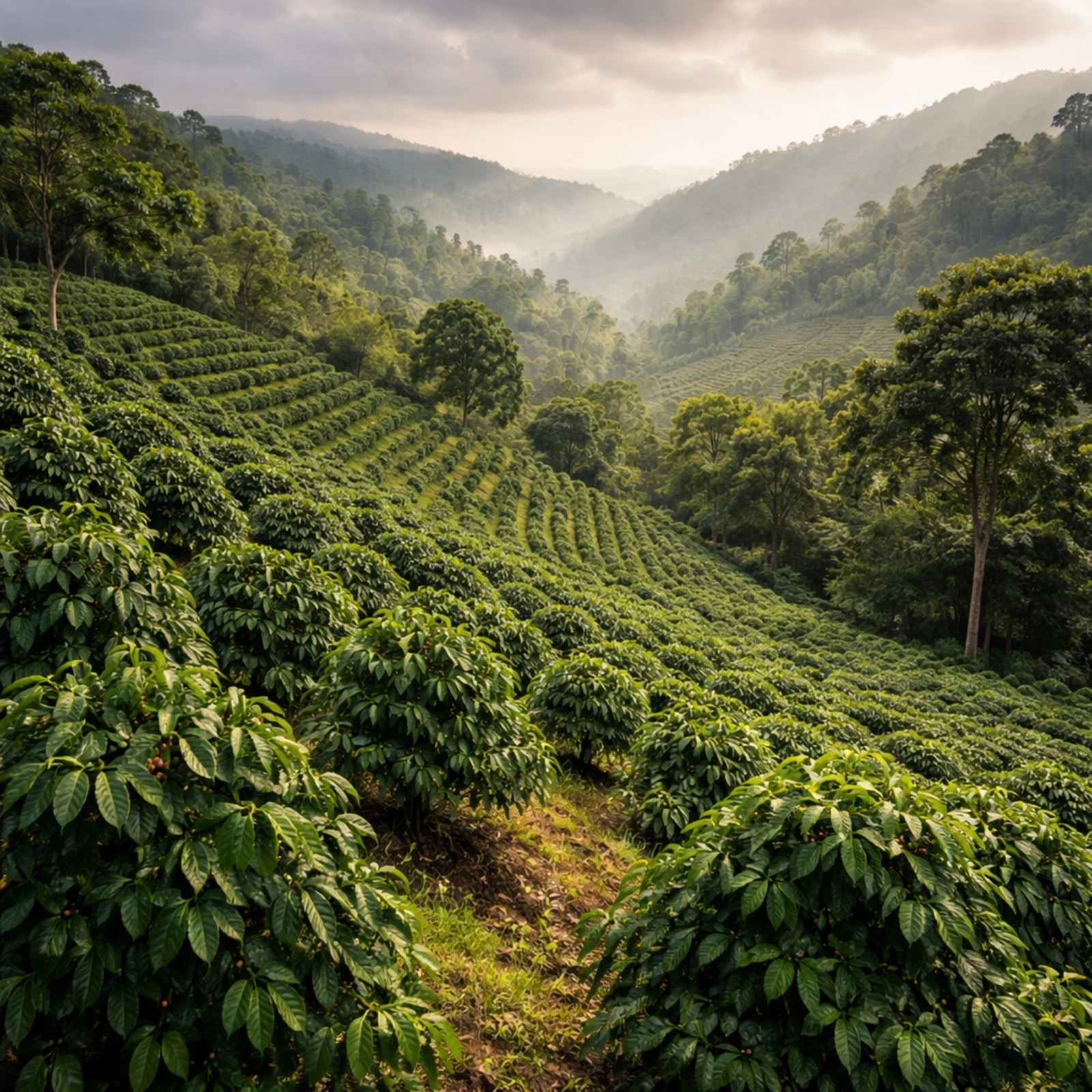
Coffee Processing Methods Explained: From Cherry to Flavor
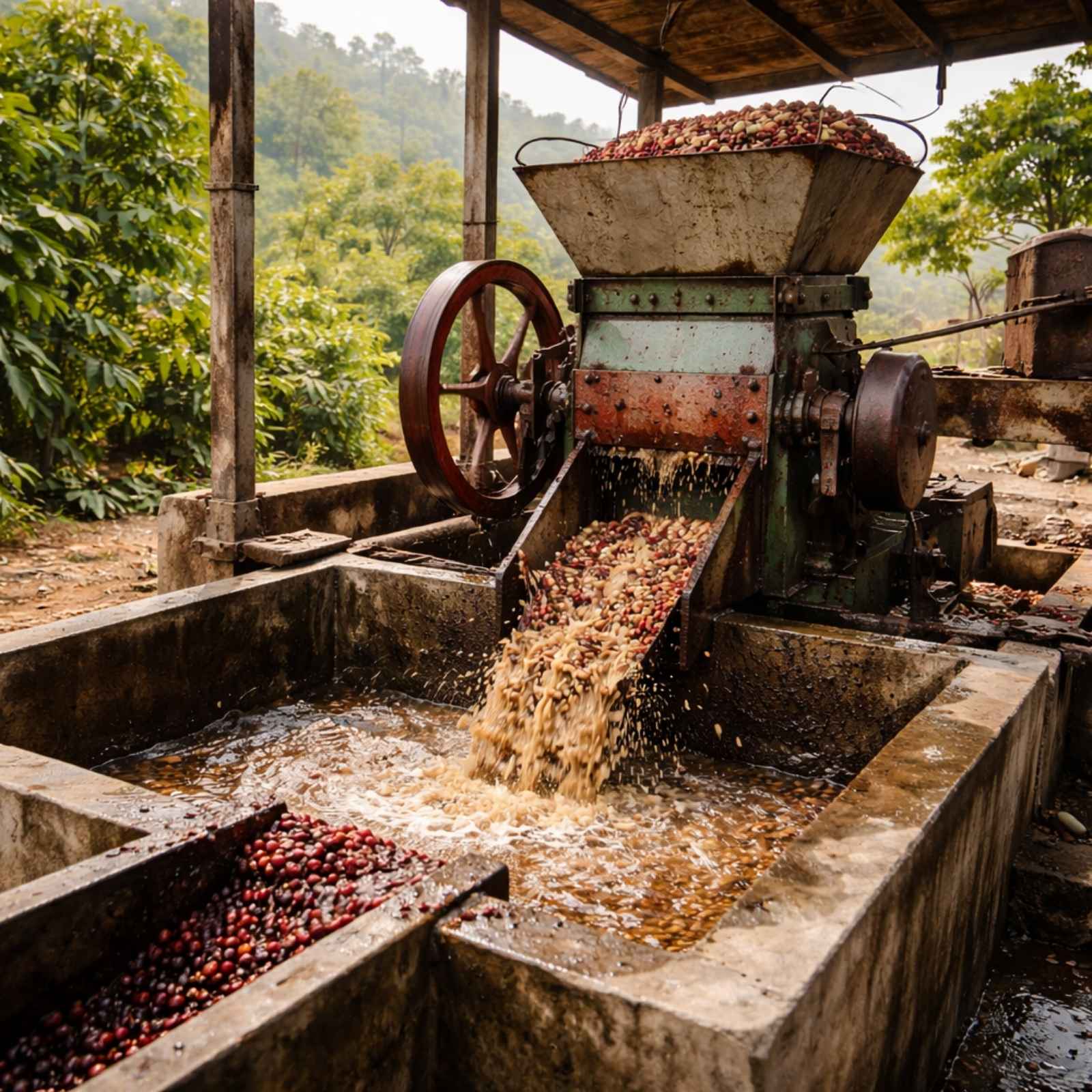
Coffee processing is one of the most important—and most misunderstood—factors in coffee quality. It determines how the coffee cherry is transformed into green coffee and plays a major role in how flavor, sweetness, body, and acidity appear in the cup.
While processing does not create quality on its own, it strongly influences how a coffee’s inherent qualities are expressed.
What Coffee Processing Means
Coffee processing refers to the method used to remove the fruit from the coffee cherry after harvest and prepare the beans for drying and storage. Each method manages fermentation, moisture, and exposure to sugars differently, which directly affects flavor development.
Processing begins immediately after harvest and ends when the coffee reaches a stable moisture level suitable for storage and export. Decisions made during this stage are irreversible and shape the coffee long before roasting begins.
The Three Core Coffee Processing Methods

Most specialty coffee is produced using one of three foundational methods. These account for the majority of coffees found worldwide and explain most flavor differences attributed to processing.
Washed (Wet Process)
In washed processing, the coffee cherry’s skin and pulp are removed shortly after harvest. The beans are then fermented in water to break down remaining fruit material before being washed clean and dried.
Typical flavor characteristics:
- Clean, transparent flavors
- Structured acidity
- Clear expression of origin and variety
Washed coffees often emphasize clarity and balance. Because most of the fruit is removed early, fermentation influence is controlled and subtle.
Natural (Dry Process)
In natural processing, whole coffee cherries are dried intact with the fruit still surrounding the bean. Fermentation occurs naturally inside the cherry during drying.
Typical flavor characteristics:
- Increased sweetness
- Fruit-forward or wine-like notes
- Fuller body
Because the bean remains in prolonged contact with the fruit, sugars and fermentation byproducts have a greater influence on flavor.
Honey (Pulped Natural) Process
Honey processing removes the cherry skin but leaves varying amounts of sticky fruit mucilage on the bean during drying. The amount of mucilage retained affects the final profile.
- Typical flavor characteristics:
- Balanced sweetness
- Moderate body
- Softer acidity than washed coffees
Honey processing sits between washed and natural methods, offering controlled sweetness without heavy fermentation influence.
How Processing Affects Flavor, Body, and Acidity
Processing does not add flavors in the way ingredients do. Instead, it influences:
- How sugars are preserved or broken down
- How fermentation compounds develop
- How acids present themselves in the cup
Washed coffees tend to highlight acidity and clarity. Natural coffees often emphasize sweetness and body. Honey coffees frequently balance both.
The same coffee grown on the same farm can taste remarkably different depending solely on how it is processed.
Modern Fermentation Techniques
In recent years, producers have experimented with controlled fermentation methods to influence flavor expression more precisely. These techniques are variations of traditional processing—not replacements.
Common modern approaches include:
- Extended fermentation (longer controlled breakdown of sugars)
- Anaerobic fermentation (limited oxygen exposure)
- Carbonic maceration (sealed fermentation environments)
- Thermal shock (temperature-controlled fermentation stages)
These methods can increase aromatic intensity or alter perceived acidity and sweetness, but they do not compensate for poor farming or low-quality cherries.
Other Processing Styles
Some processing methods are region-specific or relatively uncommon but still worth acknowledging.
- Wet-hulled (Giling Basah): Common in Indonesia, producing earthy, low-acid profiles
- Monsooned coffee: Exposed to humid air to reduce acidity and alter body
- Inoculated fermentations: Use selected yeasts or bacteria to guide fermentation
These styles are less widespread and typically appear in specific regional contexts rather than as global standards.
Why Processing Does Not Equal Quality
Processing influences expression, not inherent quality. A well-processed coffee cannot overcome:
- Poor agricultural practices
- Under- or over-ripe cherries
- Inconsistent drying
- Improper storage
High-quality coffee requires alignment between farming, processing, roasting, and freshness. Processing shapes the outcome, but it does not define excellence on its own.
How to Identify Processing in the Cup
While processing styles are often listed on labels, sensory clues can also provide insight.
- Bright, clean, focused flavors often suggest washed processing
- Juicy, fruit-driven sweetness often indicates natural processing
- Rounded sweetness with balance may point to honey processing
These are general tendencies, not rules. Origin, variety, roast level, and brewing method all influence the final perception.
The Bottom Line
Coffee processing plays a critical role in how flavor is expressed, but it is one piece of a larger system. Washed, natural, and honey methods form the foundation of specialty coffee, while modern fermentation techniques refine expression rather than redefine quality.
Processing shapes how coffee tastes—but quality is built long before processing begins.
Processing affects flavor because of the layers of the coffee cherry, and it plays a major role in how processing affects flavor in the final cup.