Why Coffee From the Same Farm Can Taste Different Every Harvest
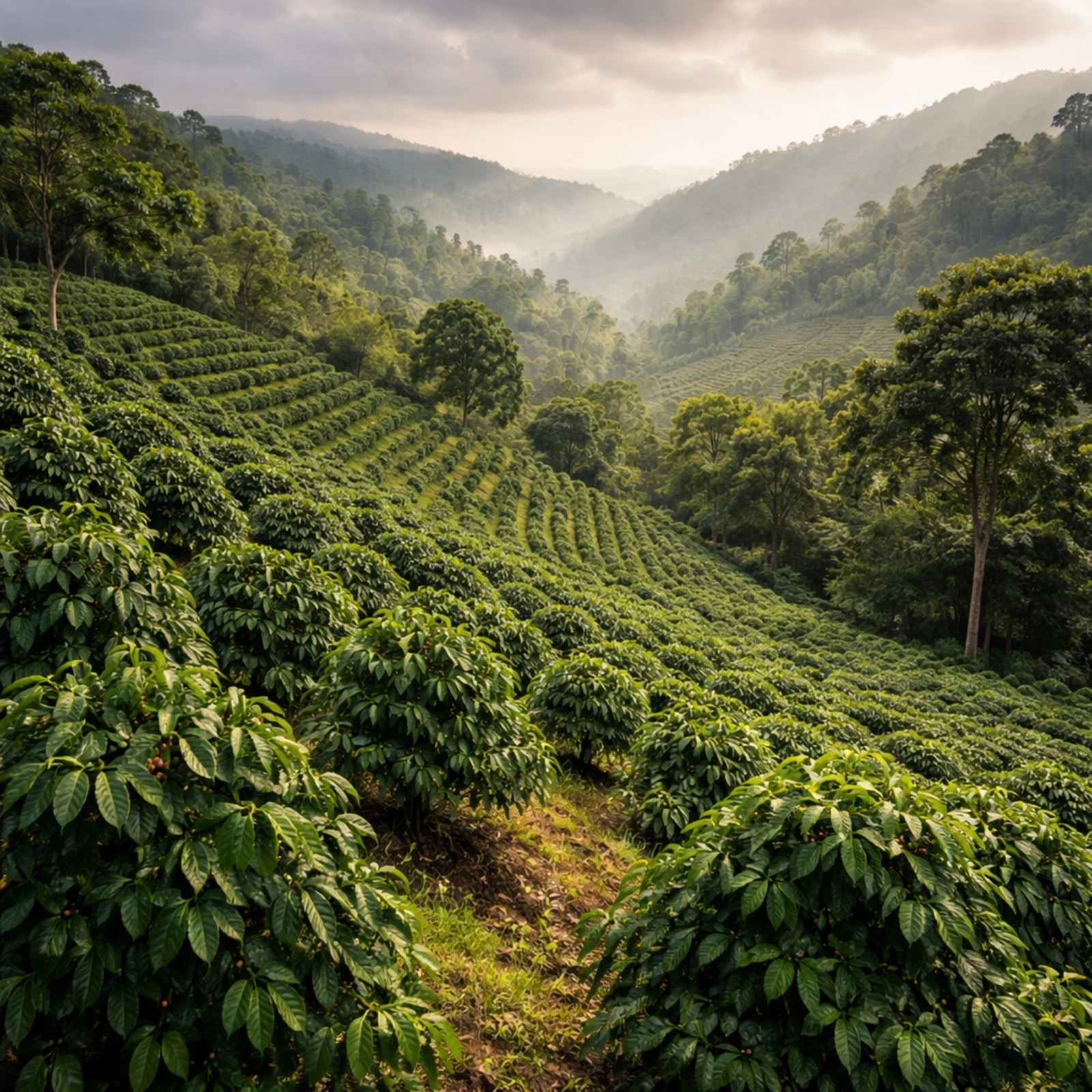
Coffee is an agricultural product, not a manufactured one. Even when coffee comes from the same farm, the same trees, and the same producers, flavor can vary from harvest to harvest. This variability is not a flaw—it is a natural outcome of how coffee grows and responds to its environment.
Understanding why this happens helps explain both the complexity of coffee and the importance of evaluating each harvest on its own merits.
Coffee Is a Seasonal Crop
Coffee trees produce fruit once per year, following a growing cycle that spans several months. During that time, environmental conditions can shift in subtle but meaningful ways.
Unlike factory-made products, coffee cannot be replicated perfectly year after year. Each harvest reflects the conditions under which it was grown.
Climate Changes Year to Year
Small changes in climate have a large impact on coffee development.
Rainfall
- Timing of rainfall affects flowering and cherry development
- Too much rain can dilute sugars or complicate drying
- Too little rain can stress trees and reduce bean density
Temperature
- Cooler seasons slow maturation, often increasing flavor complexity
- Warmer seasons accelerate growth, sometimes reducing structure
Even slight differences in average temperature or rainfall patterns can alter how sugars, acids, and aromatic compounds develop inside the bean.
Harvest Timing Is Never Identical
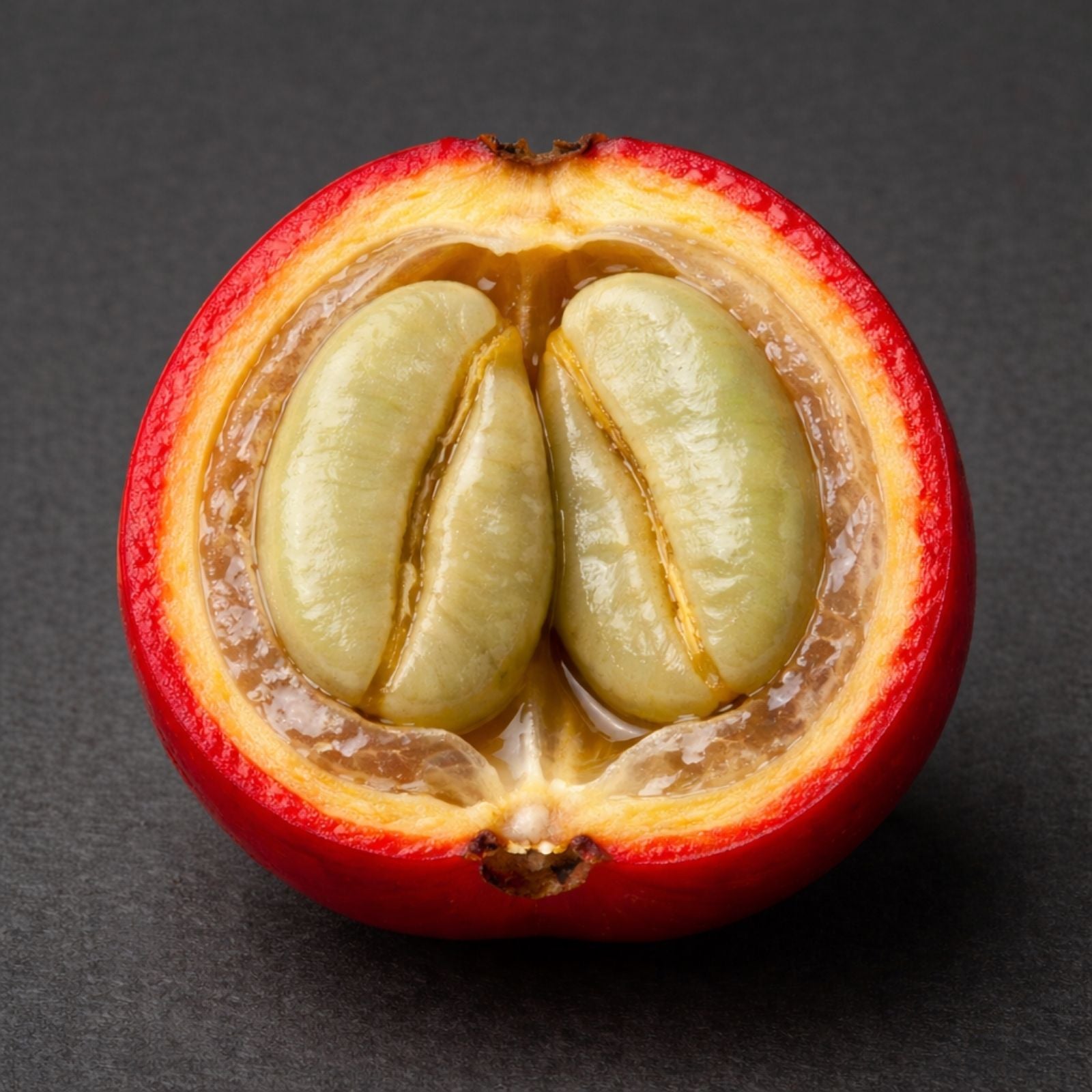
Coffee cherries do not all ripen at the same rate. Each harvest involves decisions about when to pick and how selectively cherries are harvested.
Differences between harvests may include:
- Earlier or later peak ripeness
- More or fewer picking passes
- Changes in labor availability
These factors affect the proportion of ripe, under-ripe, and over-ripe cherries—directly influencing sweetness, balance, and clarity.
Soil and Plant Health Evolve Over Time
Soil conditions are dynamic, not static.
Over time, soil chemistry can change due to:
- Rainfall patterns
- Organic matter breakdown
- Nutrient uptake and replenishment
Likewise, coffee trees age. As trees mature, their productivity and flavor expression can shift. A five-year-old tree may produce coffee with different characteristics than the same tree ten years later.
Processing Variables Can Shift
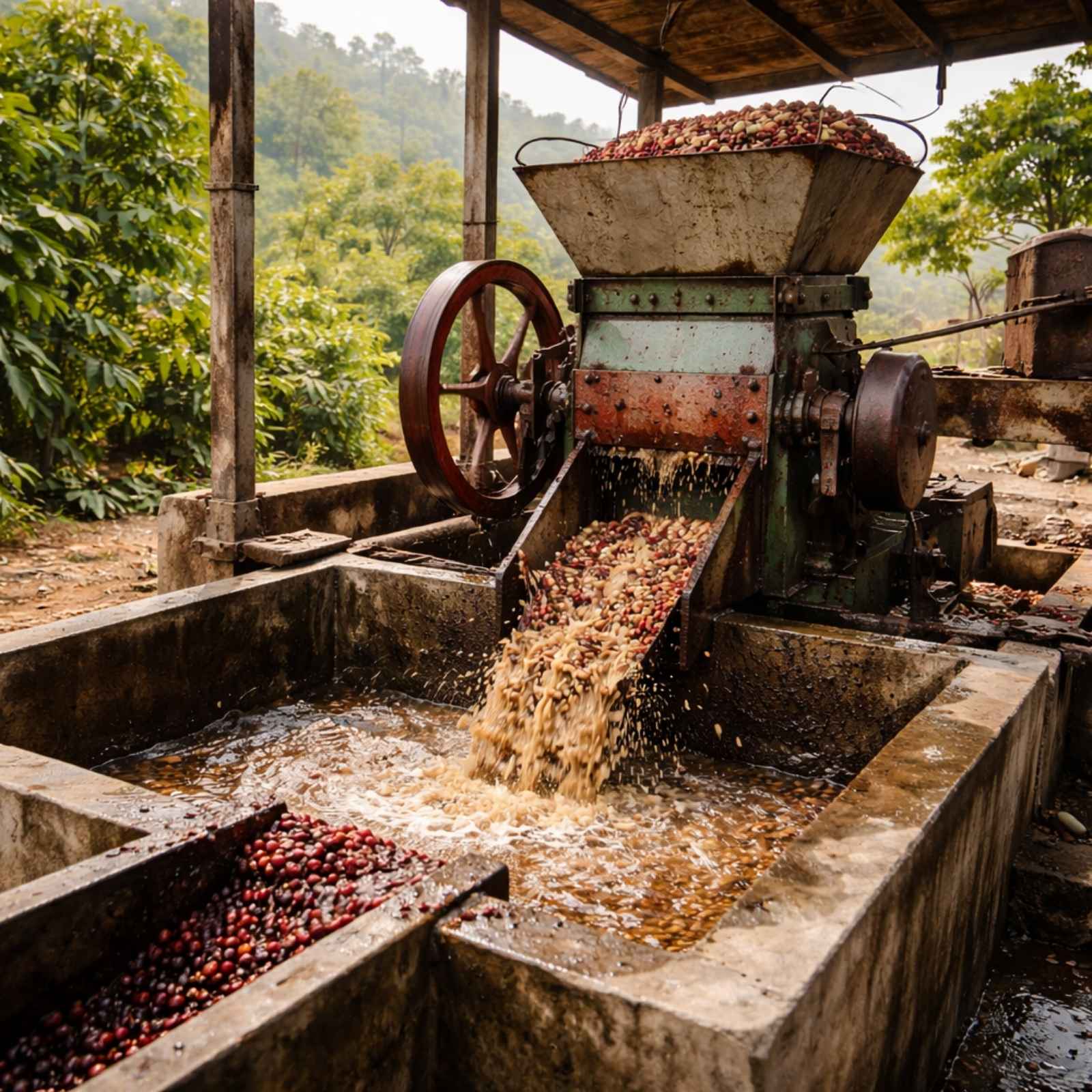
Even when producers use the same processing method each year, subtle variations can occur.
Examples include:
- Slight differences in fermentation duration
- Changes in water availability or temperature
- Weather conditions during drying
Processing decisions interact with the characteristics of each harvest, amplifying or softening certain flavor attributes.
Yield and Cherry Density Affect Flavor
Higher-yield years and lower-yield years can produce different results.
- Heavier yields may spread nutrients across more cherries
- Lighter yields can concentrate sugars and acids
Bean density, size distribution, and moisture content can all shift from one harvest to the next, influencing how the coffee later responds to roasting.
Storage and Transport Conditions Matter
Once coffee leaves the farm, conditions during storage and transport also play a role.
Variations in:
- Humidity
- Temperature
- Time in storage
can subtly affect how green coffee ages before roasting, further contributing to differences between harvests.
Why Variation Is Normal—And Valuable
Flavor variation between harvests is not a sign of inconsistency or poor quality. It is evidence that coffee is an agricultural product shaped by real-world conditions.
Each harvest represents:
- A specific growing season
- A unique set of environmental factors
- A distinct expression of place and time
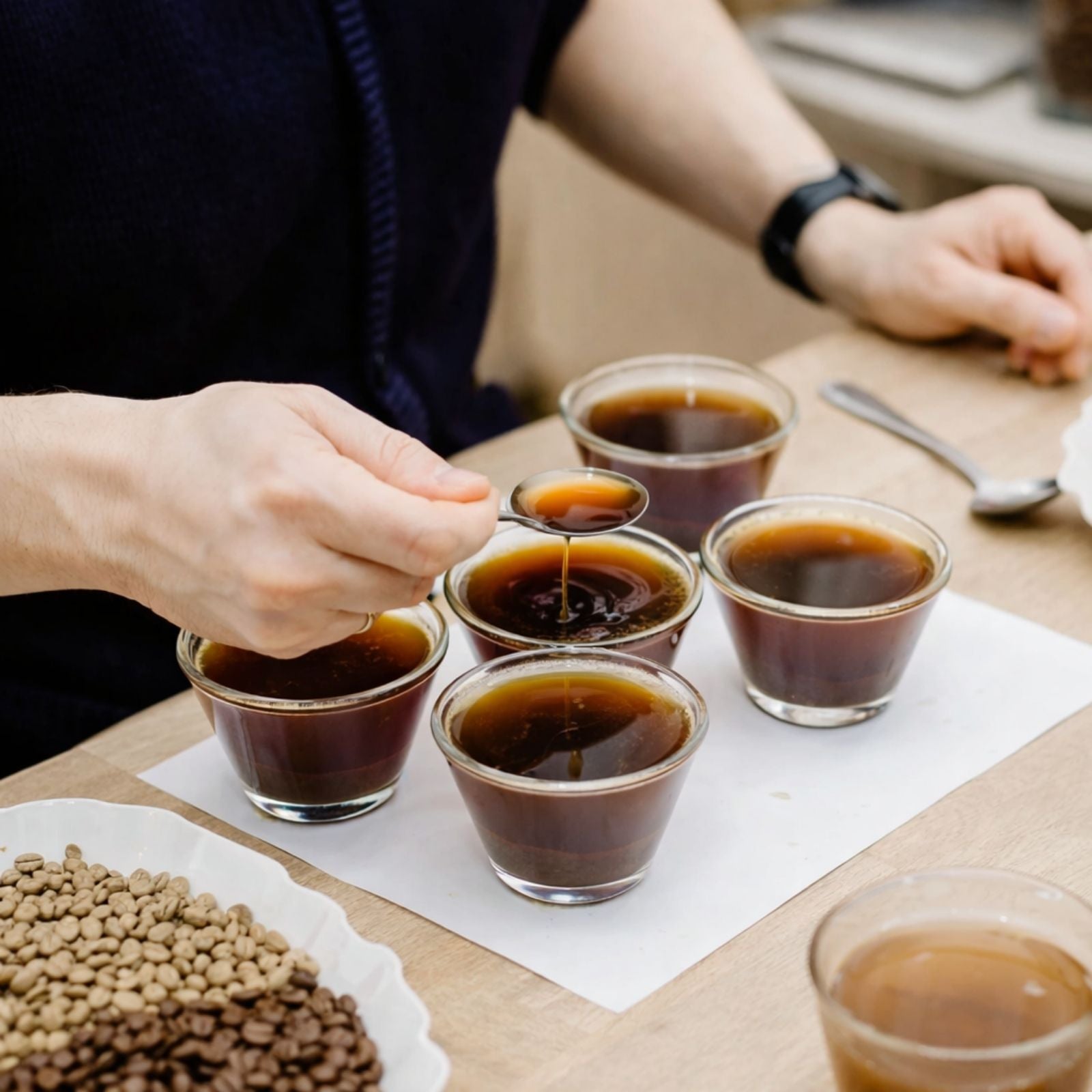
This is why professional coffee evaluation focuses on current-crop assessment, not past performance.
How to Approach Harvest Differences as a Coffee Drinker
Rather than expecting identical flavor year after year, it’s more accurate to approach each harvest as its own expression.
Pay attention to:
- Balance and clarity
- Sweetness and structure
- Overall quality, not exact flavor replication
Consistency in quality matters more than identical flavor repetition.
The Bottom Line
Coffee from the same farm can taste different every harvest because nature changes, conditions shift, and coffee responds to its environment. Climate, harvest timing, soil health, processing, and storage all interact to shape flavor.
Each harvest tells a slightly different story—and that variability is part of what makes coffee worth paying attention to.
Year-to-year variation is influenced by processing choices and altitude differences, even when coffee comes from the same farm.