Does Altitude Really Matter in Coffee Quality?
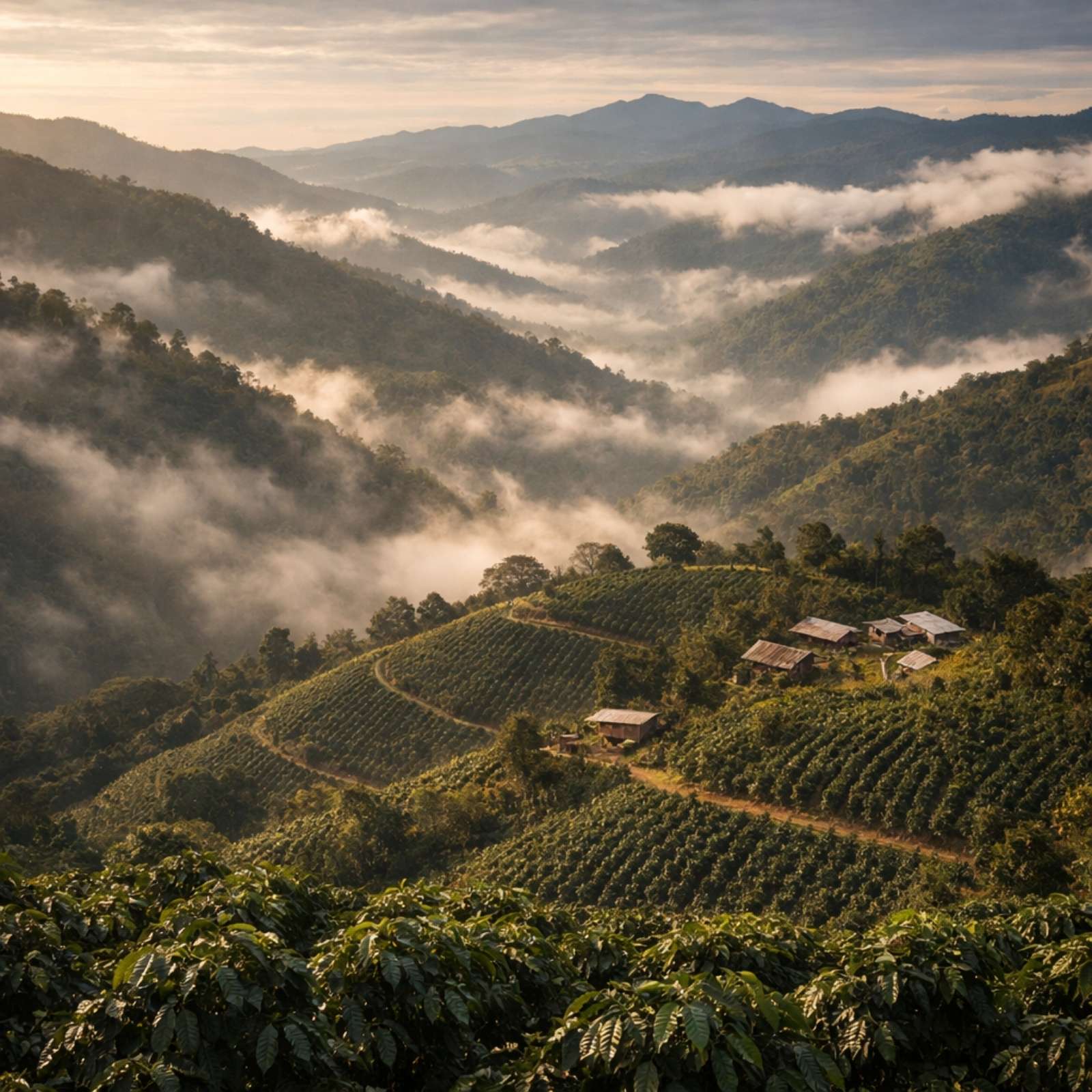
Altitude is one of the most frequently mentioned factors in specialty coffee—but it’s also one of the most misunderstood. While high elevation is often associated with better coffee, altitude alone does not guarantee quality. Instead, it influences how coffee grows, matures, and ultimately develops flavor.
Understanding what altitude actually does—and what it doesn’t—helps clarify why some high-elevation coffees are exceptional, while others are merely average.
What Altitude Means in Coffee Growing
In coffee, altitude refers to the elevation at which coffee plants are cultivated, typically measured in meters above sea level. Most specialty coffees are grown between 1,200 and 2,200 meters, though quality coffee can exist outside that range depending on other conditions.
As elevation increases, several environmental factors change:
- Average temperatures decrease
- Day–night temperature swings widen
- Plant growth slows
- Cherry maturation takes longer
These changes directly affect bean development.
How Altitude Influences Bean Development
Slower Maturation
At higher elevations, cooler temperatures slow the coffee plant’s metabolic processes. Coffee cherries take longer to ripen, allowing more time for complex compounds—acids, sugars, and aromatic precursors—to develop within the bean.
This extended maturation is one reason high-altitude coffees often show:
- Greater flavor clarity
- Higher perceived sweetness
- More structured acidity
Denser Beans
Slower growth typically produces denser coffee beans. Density affects how beans respond during roasting and extraction, often allowing for more controlled roast development and cleaner flavor expression.
Denser beans tend to:
- Transfer heat more slowly during roasting
- Retain volatile aromatics more effectively
- Exhibit more defined flavor transitions
Altitude and Acidity: A Common Misconception
High altitude does not automatically mean sour or sharp coffee.
Instead, elevation often contributes to acidity quality, not acidity intensity. Coffees grown at higher elevations frequently express acidity that is:
- More structured
- More integrated
- More fruit-forward rather than harsh
Lower-elevation coffees can still be acidic, but the acidity may feel broader or less refined depending on growing conditions and processing.
Why Altitude Alone Doesn’t Guarantee Quality
Altitude is only one variable in a complex system. Exceptional coffee depends on the interaction of multiple factors, including:
Climate and Microclimate
Rainfall patterns, humidity, cloud cover, and temperature stability matter just as much as elevation. Two farms at the same altitude can produce dramatically different coffees if their microclimates differ.
Soil Composition
Volcanic soils, mineral content, drainage, and organic matter all influence nutrient uptake and plant health—regardless of elevation.
Variety
Different coffee varieties respond differently to altitude. Some thrive at extreme elevations, while others perform best at mid-range elevations with stable temperatures.
Farming Practices
Harvest timing, selective picking, pruning, and plant density all affect cherry quality. Poor farming practices at high altitude can still result in mediocre coffee.
Processing Methods
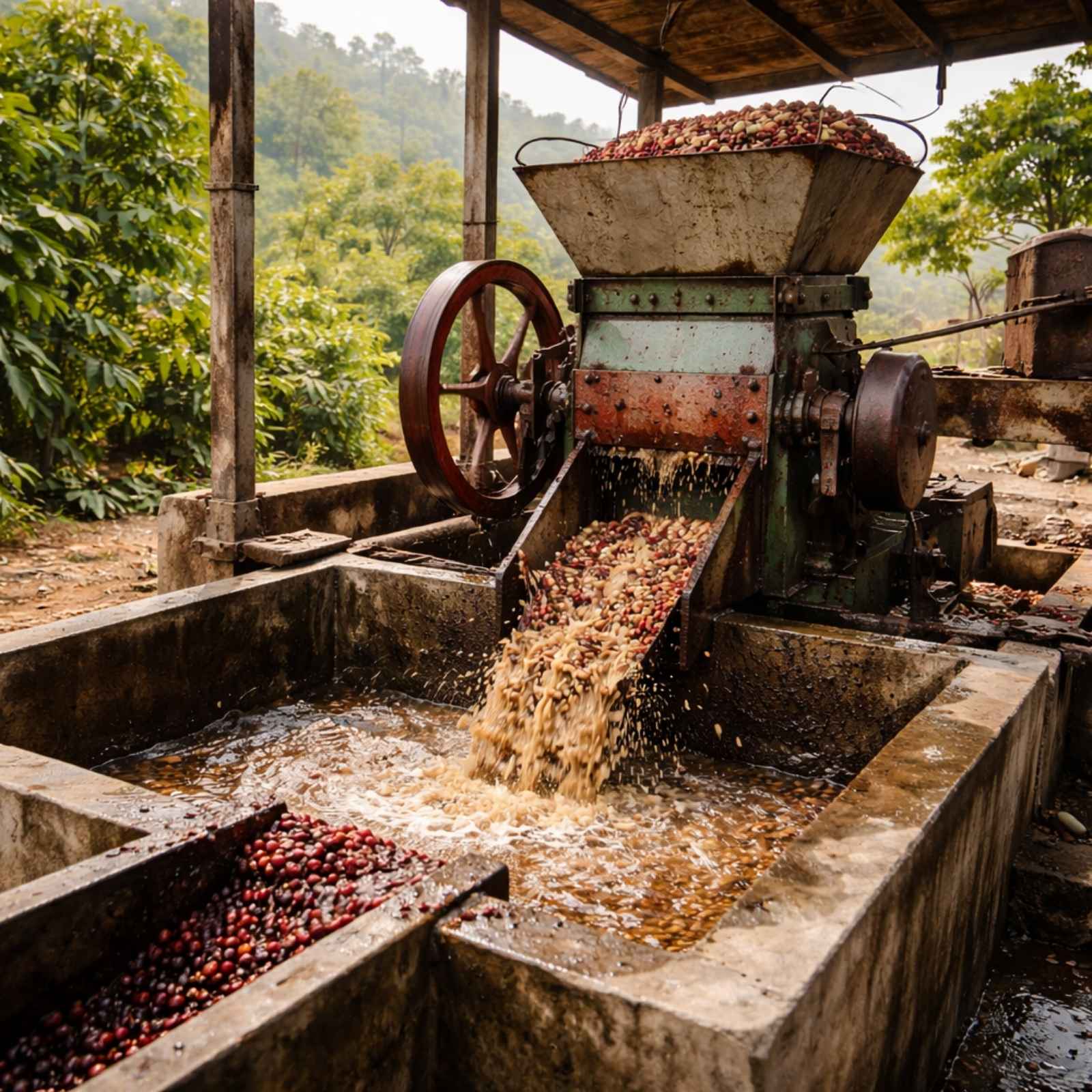
Washed, natural, and honey processing each interact differently with high-altitude beans, shaping how sweetness, acidity, and body are expressed.
Why High-Elevation Coffees Are Common in Specialty Coffee
While altitude doesn’t guarantee quality, it creates favorable conditions for producing coffees with complexity and clarity—qualities highly valued in specialty coffee.
High-elevation regions often:
- Limit large-scale industrial farming
- Encourage selective harvesting
- Produce smaller, more traceable lots
These factors align naturally with specialty coffee standards, which is why high-altitude origins appear so frequently in premium offerings.
What to Look for Instead of Just Altitude
Rather than focusing solely on elevation numbers, quality-driven coffee evaluation considers:
- Flavor balance and clarity
- Sweetness and structure
- Clean finish
- Consistency across batches
Altitude contributes to these traits—but it works best when combined with thoughtful farming, careful processing, and precise roasting.
The Bottom Line
Altitude matters—but not in isolation.
Higher elevations tend to promote slower bean development, increased density, and greater flavor complexity. However, true coffee quality comes from the interaction of altitude with climate, variety, farming practices, and processing choices.
Altitude sets the stage. Everything else determines the performance.
Altitude influences bean density and structure, which helps explain why many high-scoring coffees come from higher elevations.