Coffee Anatomy Explained: From Seed to Cup
Coffee is often discussed in terms of origin, roast level, or flavor notes, but fewer people understand the physical structure of the coffee itself. Coffee anatomy—the layers of the coffee cherry and the internal structure of the bean—plays a critical role in how coffee develops flavor, responds to processing, and behaves during roasting and brewing.
Understanding coffee anatomy provides a clearer picture of why coffee tastes the way it does.
Coffee Begins as a Fruit
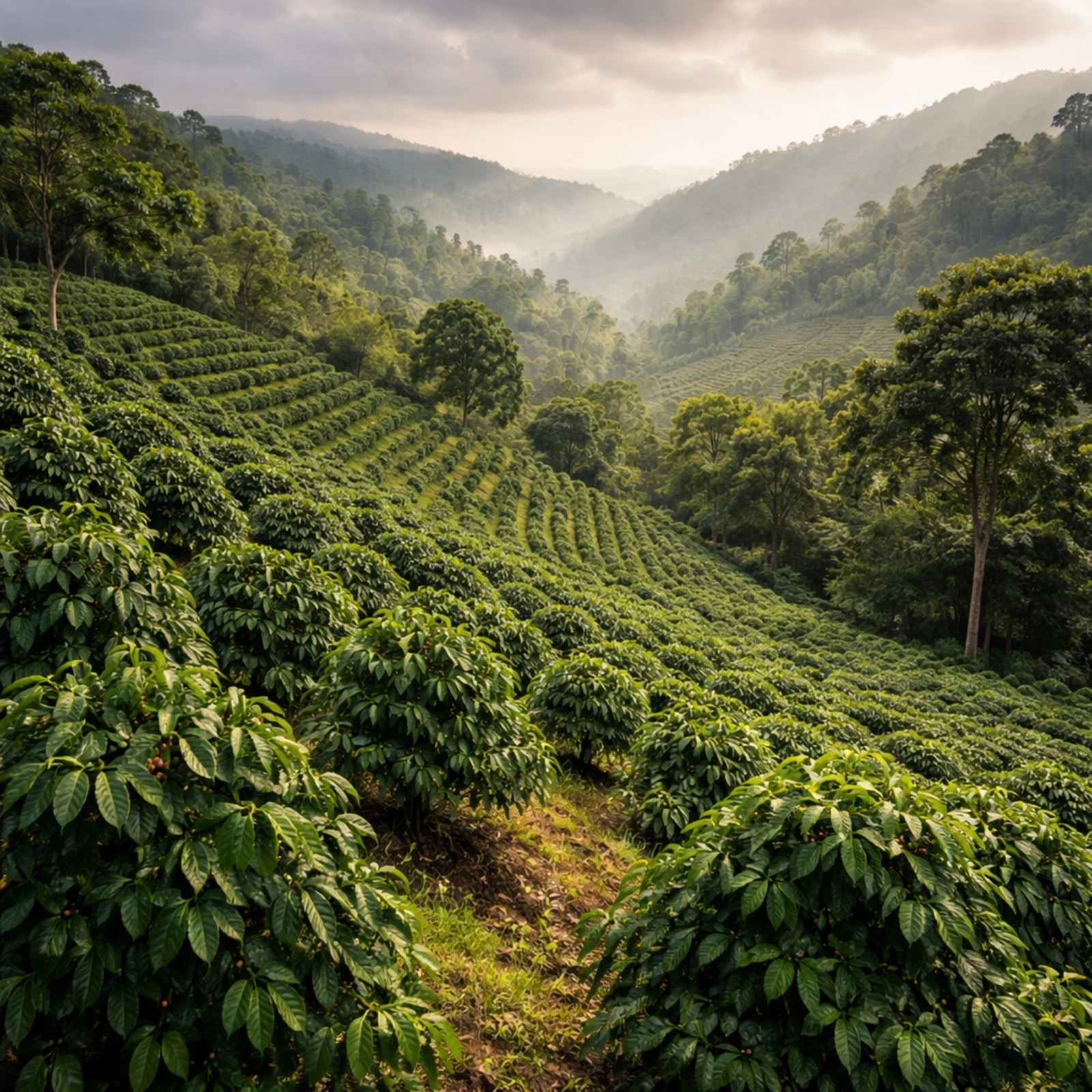
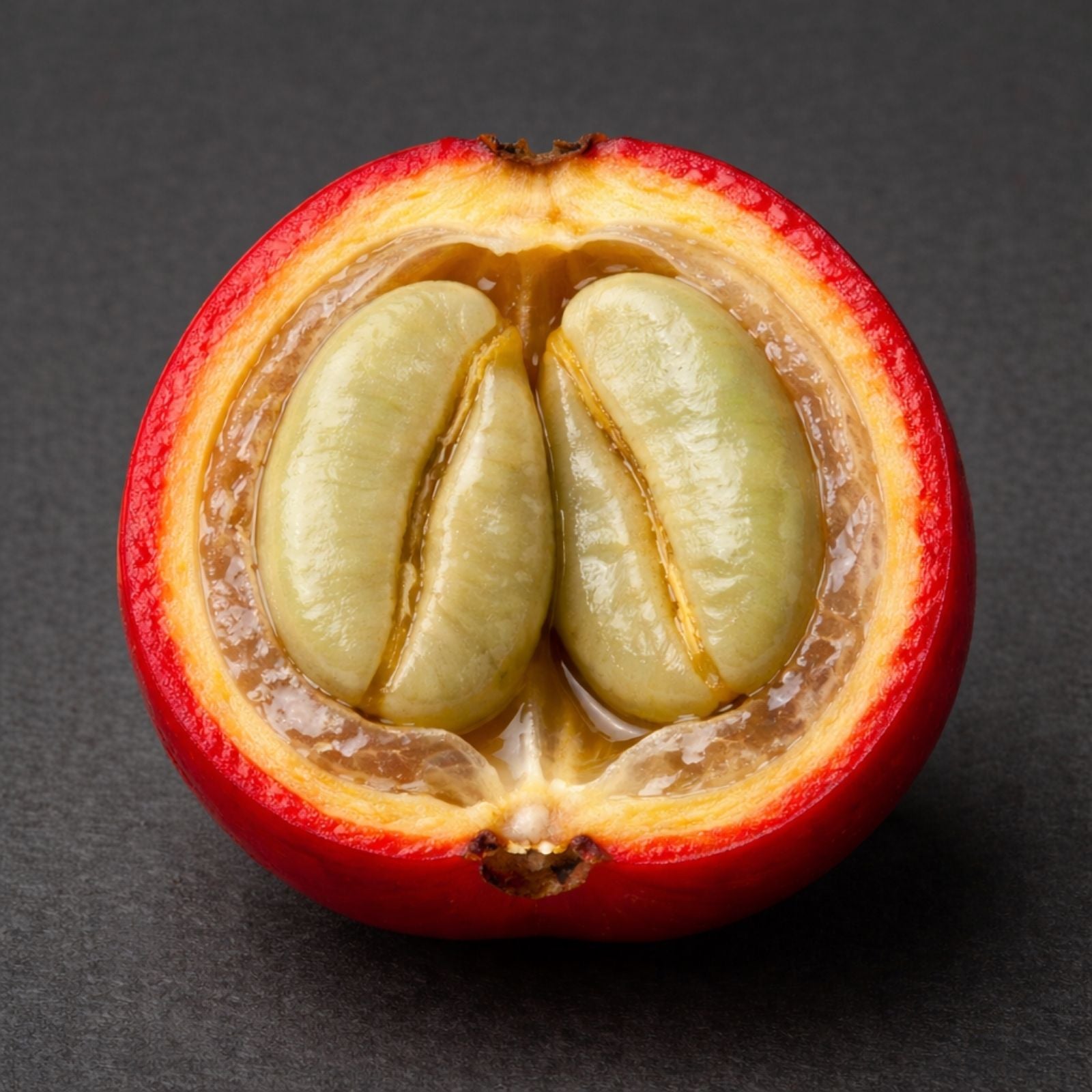
Coffee grows on a tree as a cherry, not a bean. This fruit develops over several months and contains multiple layers, each with a specific function in protecting and nourishing the seed inside.
The structure of the coffee cherry influences:
- Sugar development
- Fermentation behavior
- Processing outcomes
- Final flavor potential
The Layers of the Coffee Cherry
Outer Skin (Exocarp)
The exocarp is the thin outer skin of the coffee cherry. When ripe, it is typically red, yellow, or orange depending on variety.
Its primary role is protection. While it does not directly contribute flavor, its condition at harvest affects fermentation and processing consistency.
Pulp (Mesocarp)
Beneath the skin lies the pulp—a thick, sugary layer that surrounds the seed.
This pulp:
- Contains natural sugars
- Feeds fermentation during processing
- Influences sweetness and body
Processing methods largely determine how long the seed remains in contact with this layer, shaping the coffee’s flavor expression.
Mucilage
Between the pulp and parchment is a sticky layer called mucilage. It is rich in sugars and pectins and plays a major role during fermentation.
The amount of mucilage left on the bean varies by processing method and directly affects:
- Sweetness
- Texture
- Perceived fruit character
Parchment (Endocarp)
The parchment is a papery protective layer that encases the coffee seed as it dries. Green coffee is often stored and transported with this layer intact for protection.
Once removed during hulling, the coffee becomes what is commonly referred to as green coffee.
Silver Skin (Chaff)
Clinging tightly to the bean is the silver skin. During roasting, this layer loosens and flakes off as chaff.
While minimal in flavor contribution, its presence affects:
- Roasting airflow
- Chaff management
- Cleanliness of the roast
Inside the Coffee Bean
The Seed (Endosperm)
What we call a “coffee bean” is actually the seed of the coffee cherry. Most cherries contain two seeds, flat on one side and curved on the other.
This endosperm contains:
- Carbohydrates
- Proteins
- Lipids
- Organic acids
These compounds transform during roasting into the aromas and flavors experienced in the cup.
Flat Beans vs Peaberries
Occasionally, a cherry produces only one seed instead of two. This rounder seed is known as a peaberry.
Peaberries:
- Develop differently inside the cherry
- Often roast more evenly
- Can present slightly different flavor balance
They are a natural mutation, not a defect.
How Anatomy Influences Processing
Processing determines how and when the outer layers of the cherry are removed.
- Washed processing removes pulp early, emphasizing clarity
- Natural processing dries the cherry intact, increasing sweetness and body
- Honey processing retains varying amounts of mucilage, balancing both
The interaction between anatomy and processing largely determines flavor expression long before roasting begins.
How Anatomy Influences Roasting
Bean density, moisture content, and cellular structure all originate from how the seed developed inside the cherry.
During roasting:
- Sugars caramelize
- Proteins react through Maillard reactions
- Acids change structure
- Cell walls expand and fracture
The internal structure of the bean determines how heat is absorbed and how evenly these reactions occur.
From Structure to Flavor
Every cup of coffee reflects the physical makeup of the bean:
- Sugar concentration affects sweetness
- Lipids contribute to body and mouthfeel
- Acids influence brightness and structure
- Cell density affects extraction behavior
Coffee anatomy sets the foundation. Everything else builds on it.
The Bottom Line
Coffee is more than a roasted bean—it is a seed shaped by fruit, protected by layers, and transformed through careful processing and roasting. Understanding coffee anatomy explains why different coffees respond differently to the same brew method and why quality begins long before roasting or brewing ever takes place.
From seed to cup, structure matters.
Coffee’s physical structure shapes everything that follows, including coffee processing methods and how coffee changes during roasting from green to finished coffee.