How to Taste Coffee Properly (Without Being a Professional Cupping Judge)
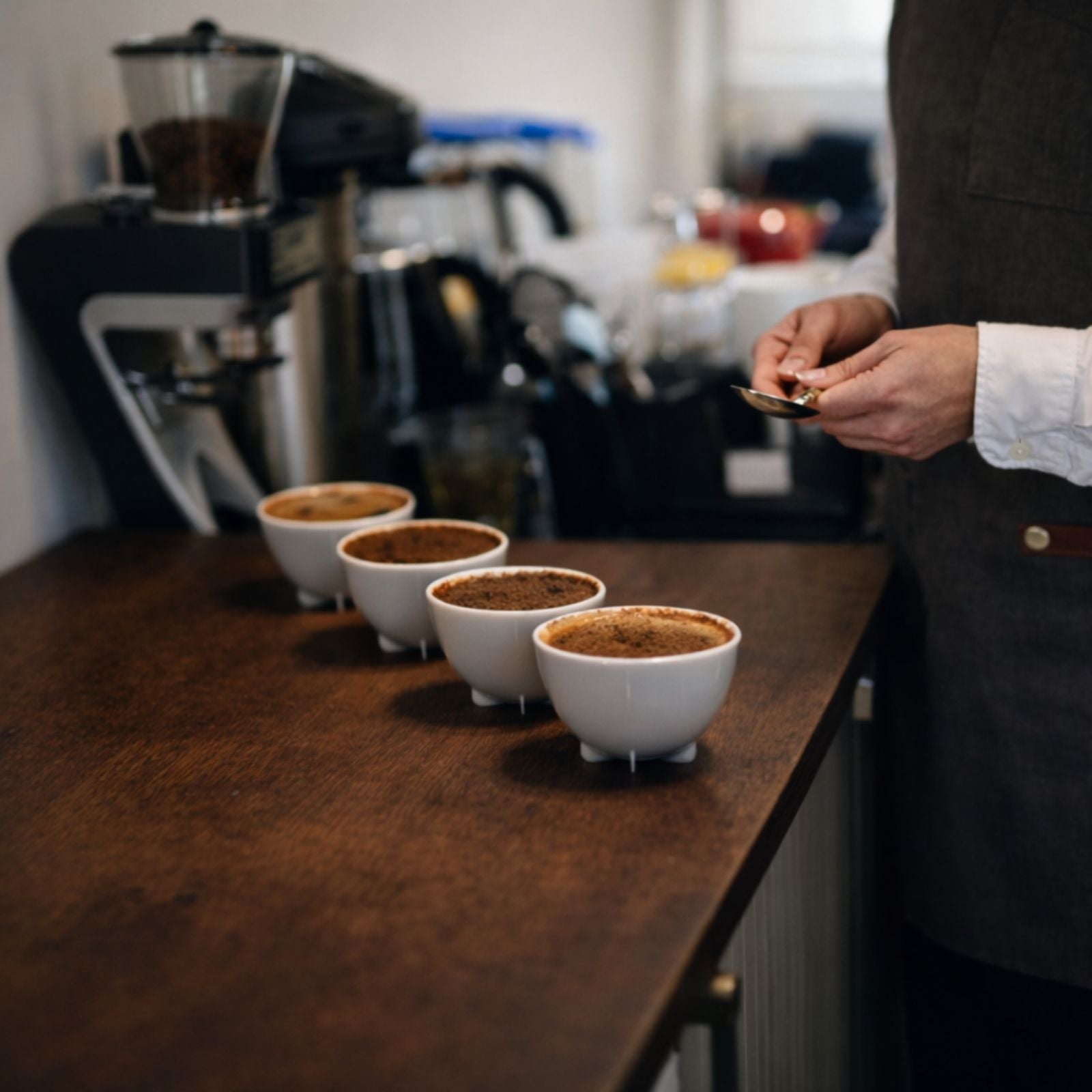
Tasting coffee well doesn’t require formal cupping sessions, special spoons, or professional training. What it requires is attention, consistency, and context. Most people drink coffee every day, but few are shown how to actually understand what they’re tasting.
Learning to taste coffee properly is less about identifying specific flavors and more about recognizing balance, structure, and change.
You Don’t Need Professional Cupping to Taste Coffee Well
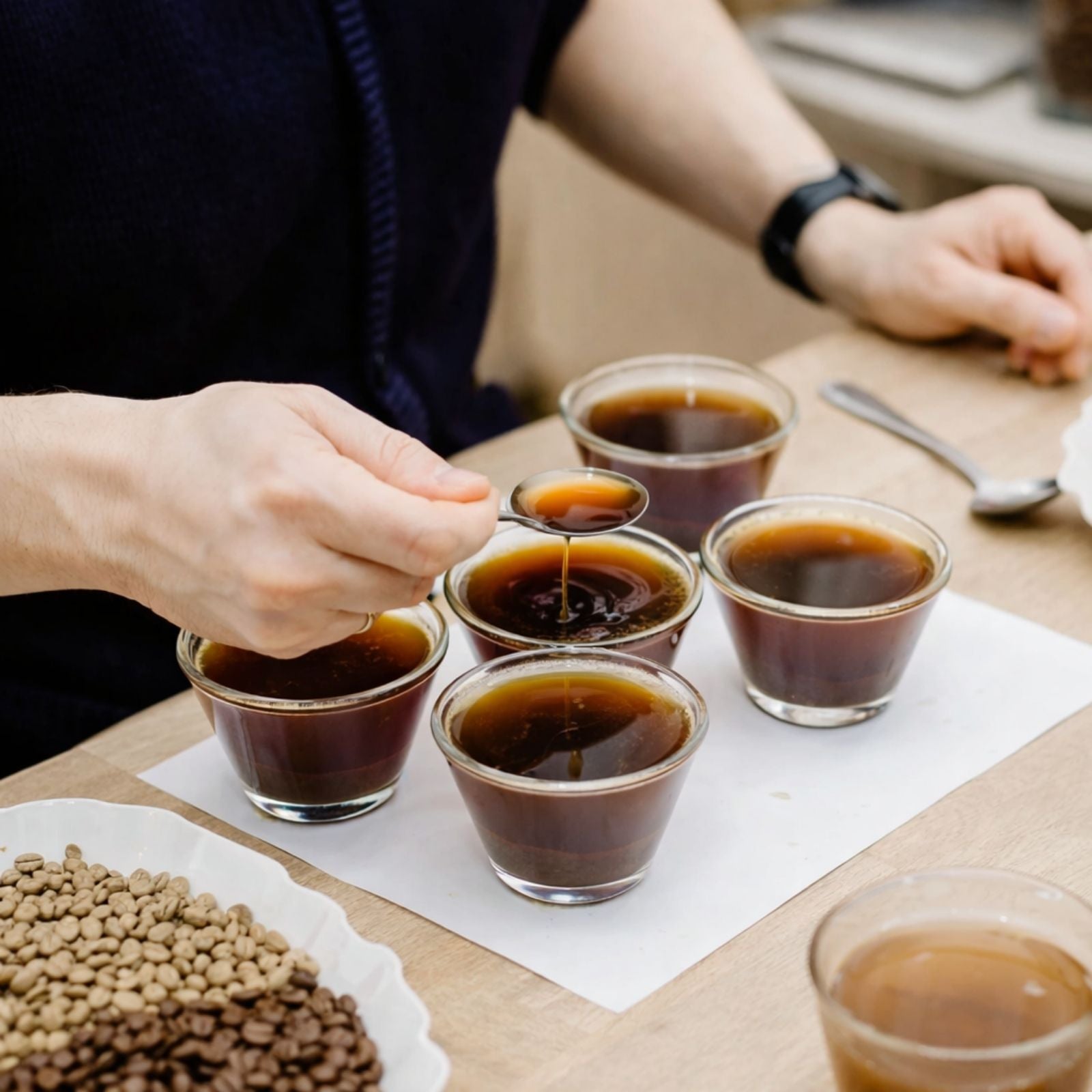
Professional cupping exists to evaluate coffee under standardized conditions. It’s useful for quality control, but it’s not how most people drink coffee.
At home, the goal is simpler:
- Understand how your coffee tastes
- Recognize what changes when you adjust brewing
- Identify what you enjoy and why
Tasting properly is about awareness, not ceremony.
Smell Before You Sip
A large portion of what we perceive as taste comes from aroma.
Before drinking:
- Smell the coffee while it’s hot
- Notice whether aromas feel sweet, sharp, heavy, or muted
- Revisit the aroma as the coffee cools
Many subtle characteristics become clearer as coffee cools, when heat no longer masks aromatics.
Take Small Sips and Let the Coffee Move
Instead of large gulps, take small sips and allow the coffee to coat your palate.
Pay attention to:
- First impression
- Mouthfeel and weight
- How flavors develop
- The finish and aftertaste
You’re not hunting for flavor notes. You’re observing how the coffee behaves.
Focus on Structure Before Flavor Notes
Before thinking about fruits, chocolate, or florals, focus on structure.
Ask simple questions:
- Is the coffee bright or muted?
- Does it taste sweet, dry, or bitter?
- Is the body light, round, or heavy?
- Is the finish clean or rough?
These observations are easier to repeat and far more useful than naming specific flavors.
Taste the Coffee as It Cools
Coffee changes significantly as temperature drops.
As it cools:
- Acidity becomes clearer
- Sweetness often increases
- Bitterness becomes more apparent
If a coffee improves as it cools, that often indicates good balance and proper extraction. If it degrades quickly, it may point to brewing issues.
Compare Instead of Isolating
Tasting becomes much easier with a reference point.
Try:
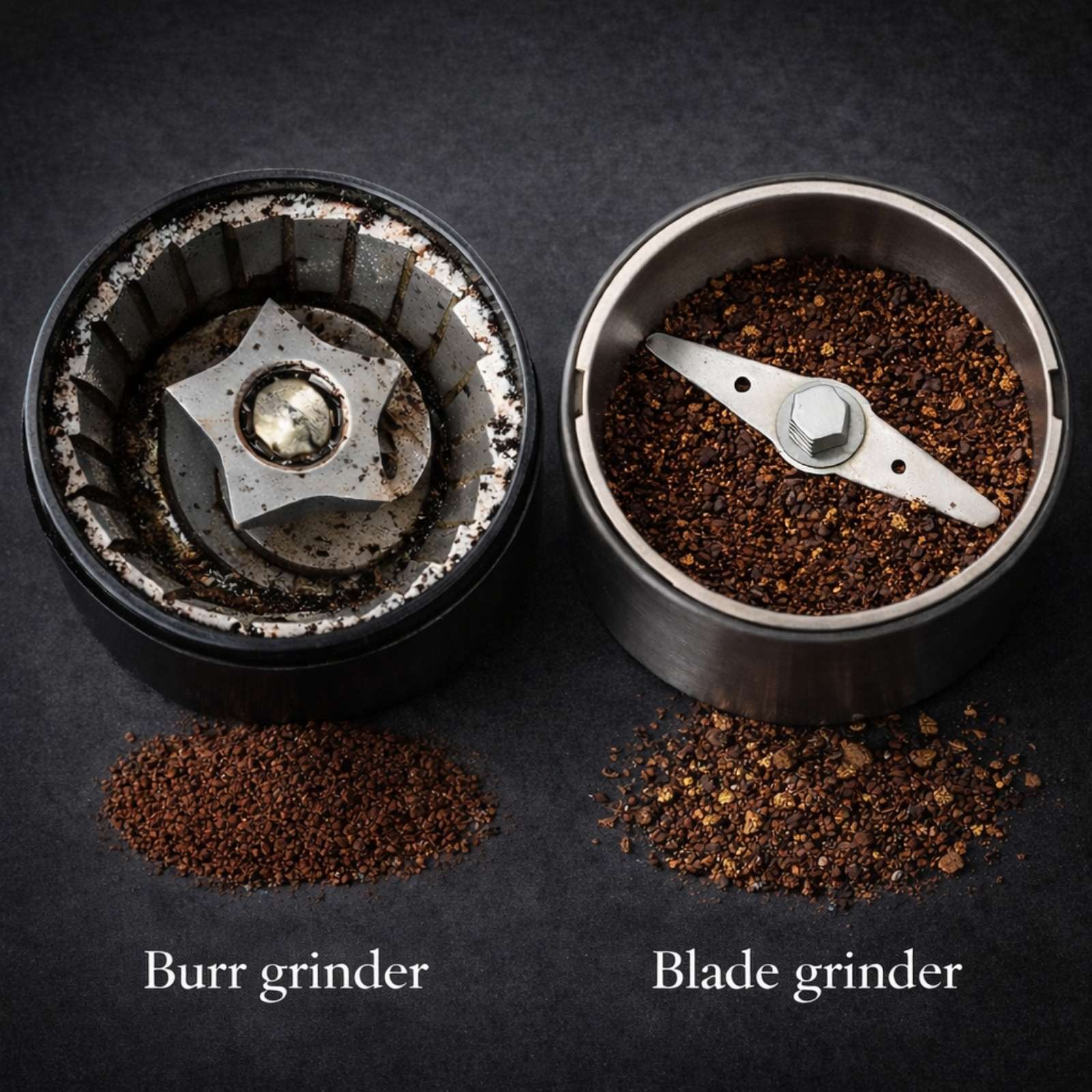
- Brewing the same coffee with two grind sizes
- Brewing the same coffee on different days
- Comparing two coffees side by side
Differences are easier to recognize when you have contrast.
Separate Preference From Quality
A coffee can be high quality without being your personal favorite.
Proper tasting helps you recognize:
- Balance even when flavors aren’t your style
- Bitterness caused by over-extraction
- Sharp acidity caused by under-extraction
This distinction allows you to adjust brewing without misjudging quality.
Use Language That Makes Sense to You
You don’t need industry terminology.
Clear statements are enough:
- “This tastes cleaner.”
- “This feels heavier.”
- “This finishes dry.”
- “This tastes sweeter than yesterday.”
Consistency matters more than vocabulary.
Tasting Is a Brewing Tool
Tasting intentionally closes the loop between brewing and adjustment.
When you taste properly, you can:
- Adjust grind size with confidence
- Modify ratios based on body and balance
- Identify when a problem comes from extraction rather than the coffee itself
Good tasting makes brewing more consistent and more enjoyable.
The Bottom Line
Tasting coffee properly doesn’t require professional cupping skills. It requires slowing down, paying attention, and focusing on balance, structure, and change over time. With simple tasting habits, anyone can better understand their coffee—and brew it better as a result.
Tasting coffee reveals extraction problems and brewing imbalances. Learn how grind size affects flavor in why grind size matters more than the brewing method.
If bitterness or harshness appears, this guide explains why in why coffee tastes bitter.